
tips for climbing and summiting Mount Kilimanjaro
tips for climbing and summiting Mount Kilimanjaro
Climbing Mount Kilimanjaro is the ultimate African adventure and a true bucket-list experience for travelers seeking a successful summit of Uhuru Peak. This Kilimanjaro climbing guide is packed with top-ranking topics like “Kilimanjaro trekking tips,” “best time to climb Kilimanjaro,” “Kilimanjaro routes,” “summit success rate,” and “altitude sickness prevention.” Whether you’re planning a luxury Kilimanjaro tour, budget trekking package, or private guided climb from Arusha or Moshi, preparation is key. From choosing the best route to proper acclimatization and gear, every detail impacts your summit success. With expert local guides, ethical tour operators, and the right mindset, conquering Africa’s tallest mountain becomes achievable, safe, and unforgettable for beginners, solo travelers, families, and experienced hikers alike.
Choose a Longer Kilimanjaro Route
Selecting a longer Kilimanjaro route is one of the most important decisions for increasing your summit success rate. Popular routes like the Lemosho Route, Machame Route, and Northern Circuit are highly recommended because they offer better acclimatization and higher success rates compared to shorter options like Marangu, “best Kilimanjaro route,” “high success rate Kilimanjaro climb,” and “scenic trekking routes Tanzania” are essential for planning. Longer itineraries allow your body to adjust gradually to altitude, reducing the risk of altitude sickness. These routes also provide stunning landscapes, from rainforest to alpine desert. Whether you’re booking a luxury Kilimanjaro trek or a budget adventure, choosing a longer route increases your chances of safely reaching Uhuru Peak while enjoying a more immersive and less rushed climbing experience.
Train Specifically for Hiking
Training for Kilimanjaro climbing should focus on endurance, strength, and mental resilience. Incorporate long-distance hikes, stair climbing, cardio workouts, and strength training into your routine.“Kilimanjaro training plan,” fitness for mountain climbing,” and “how to prepare for Kilimanjaro” are crucial for search visibility. Practice hiking with a backpack to simulate real trekking conditions. Cardiovascular fitness helps you handle long trekking days, while leg strength improves stability on steep terrain. Training at higher altitudes, if possible, can also help your body adapt. Consistency is key—start training at least 8–12 weeks before your climb. Whether you’re a beginner or experienced trekker, proper preparation significantly boosts your confidence and increases your chances of reaching the summit comfortably and safely.
Go "Pole, Pole" (Slowly)
“Pole, pole,” a popular Swahili phrase meaning “slowly, slowly,” is the golden rule of climbing Kilimanjaro. Moving slowly helps your body adapt to the altitude and conserves energy for summit day. “Kilimanjaro pace,” “avoid altitude sickness,” and “trekking tips Kilimanjaro” are essential here. Many climbers fail because they walk too fast in the early stages, leading to exhaustion and altitude-related issues. Professional guides from reputable Kilimanjaro tour operators emphasize maintaining a steady, slow pace throughout the trek. This approach improves oxygen efficiency and enhances acclimatization. By walking slowly, drinking plenty of water, and taking regular breaks, you significantly increase your chances of a successful summit while enjoying the breathtaking scenery of Tanzania’s iconic mountain.
Prioritize Proper Gear & Layering
Having the right Kilimanjaro gear and clothing is critical for comfort and safety. Use a layering system that includes moisture-wicking base layers, insulating mid-layers, and waterproof outer layers. Temperatures vary drastically, from warm rainforest conditions to freezing summit night winds. Essential items include a high-quality sleeping bag, trekking boots, gloves, thermal wear, and a down jacket. Investing in proper gear ensures you stay warm, dry, and protected throughout the climb. Whether you’re on a luxury or budget Kilimanjaro trek, having the right equipment can make the difference between a comfortable journey and a challenging ordeal.
Acclimatize Correctly
Proper acclimatization is the key to preventing altitude sickness on Kilimanjaro. “Kilimanjaro altitude sickness,” “acclimatization tips,” and “high altitude trekking safety” are vital. Follow the “climb high, sleep low” principle, where you ascend to a higher altitude during the day and descend slightly to sleep. This helps your body adjust gradually to reduced oxygen levels. Drinking plenty of water, eating well, and avoiding alcohol are also essential. Reputable tour operators design itineraries that prioritize acclimatization, increasing your summit success rate. Taking your time and listening to your body ensures a safer and more enjoyable climb, allowing you to fully experience the beauty of Africa’s highest mountain.
Prepare for Summit Night
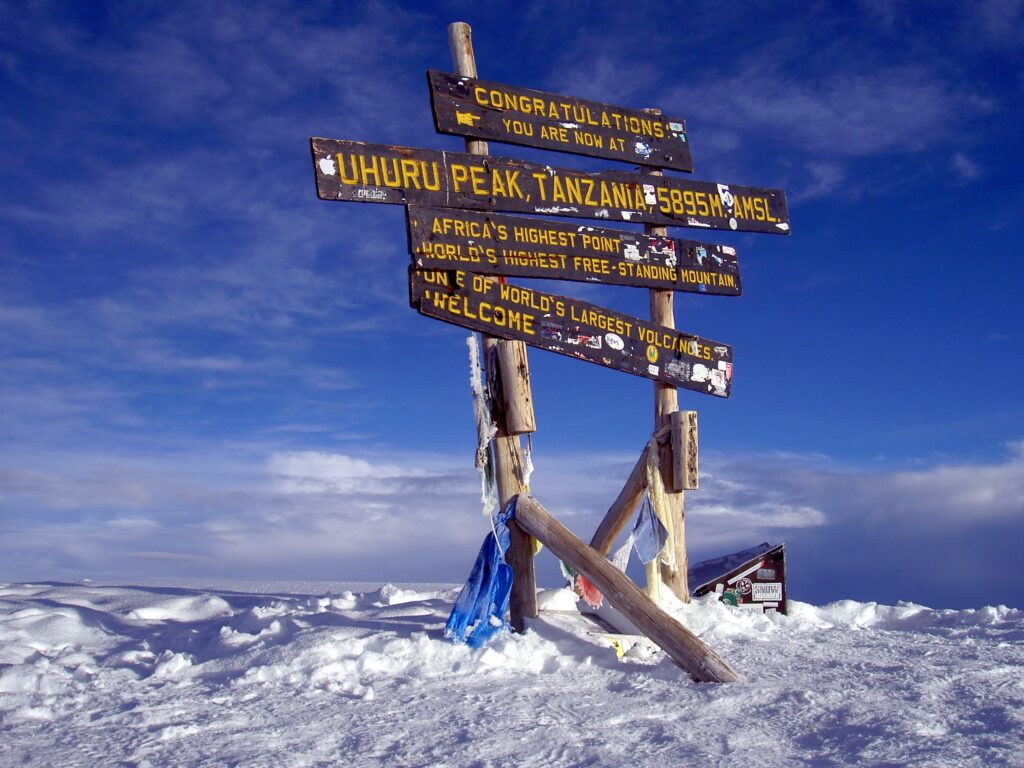
Summit night on Kilimanjaro is the most challenging part of the climb, requiring mental and physical strength. Key tips for climbing and summiting Mount Kilimanjaro like “Kilimanjaro summit night tips,” “Uhuru Peak climb,” and “how to summit Kilimanjaro” are important for search ranking. You’ll start hiking around midnight in freezing temperatures, often below -10°C. Proper layering, headlamps, gloves, and energy snacks are essential. The slow, steady pace becomes even more critical at high altitude. Staying hydrated and mentally focused helps you push through fatigue. Reaching Uhuru Peak at sunrise is an unforgettable reward, making all the effort worthwhile. Preparation and determination are key to conquering this final stretch successfully.
Hire a Reputable Operator
Choosing a trusted Kilimanjaro tour operator ensures safety, ethical practices, and a higher summit success rate. Key tips for climbing and summiting Mount Kilimanjaro like “Best Kilimanjaro tour operators,” “licensed guides Tanzania,” and “ethical trekking companies” are crucial. Reputable companies provide experienced guides, quality equipment, and proper support teams, including porters and cooks. They also follow safety protocols, monitor your health, and prioritize acclimatization. Look for operators with strong reviews, transparent pricing, and fair treatment of staff. Whether you’re booking a luxury Kilimanjaro safari or a budget trek, a reliable operator enhances your overall experience and ensures a safe journey to the summit.
Manage Your Daypack Weight
Keeping your daypack light is essential for comfort during long trekking days. Key tips for climbing and summiting Mount Kilimanjaro like " Kilimanjaro daypack essentials,” what to carry on Kilimanjaro,” and “lightweight hiking tips,” improve performance. Carry only the essentials, including water, snacks, rain gear, sunscreen, and personal items. Porters will handle the bulk of your luggage, allowing you to focus on the climb. A lighter pack reduces fatigue and helps you maintain a steady pace. Proper weight management ensures you conserve energy for summit night, making your Kilimanjaro adventure more enjoyable and less physically demanding.
Listen to Your Body and Guides
Listening to your body and following your guide’s advice is crucial for a safe Kilimanjaro climb. “Kilimanjaro safety tips, “altitude sickness symptoms,” and “trekking guidance Tanzania” are essential. Guides are trained to monitor your health and recognize early signs of altitude sickness. Ignoring symptoms like headaches, nausea, or dizziness can be dangerous. Communicate openly with your team and take rest days if needed. Trusting your guides and respecting your body’s limits ensures a safer and more successful climb, allowing you to reach the summit without unnecessary risks.
Maintain a Positive Attitude
A positive mindset plays a significant role in reaching the summit of Kilimanjaro. Mental strength for climbing,” Kilimanjaro motivation,” and “successful summit mindset” are important. The climb can be physically and mentally challenging, especially during summit night. Staying motivated, focused, and optimistic helps you overcome moments. Celebrate small achievements along the way and enjoy the journey. A strong mental attitude not only improves your experience but also increases your chances of reaching Uhuru Peak successfully.
Bring Enough Cash for Tipping the Mountain Crew
Tipping is an important part of Kilimanjaro trekking culture and supports the hardworking mountain crew. “Kilimanjaro tipping guide,” “porter tips Tanzania,” and “trekking costs Kilimanjaro” are valuable. Guides, porters, and cooks play a crucial role in your success and comfort. Bringing enough cash in small denominations ensures you can tip fairly at the end of your climb. Ethical tour operators often provide guidelines on recommended tipping amounts. Showing appreciation for the crew not only supports local livelihoods but also enhances your overall trekking experience.
Pack High-Energy Snacks
Bringing high-energy snacks is essential for maintaining stamina during your Kilimanjaro climb. “Best snacks for hiking,” “energy foods for trekking,” and “Kilimanjaro nutrition tips” boost. Snacks like energy bars, nuts, chocolate, and dried fruits provide quick energy and help you stay fueled throughout the day. Appetite may decrease at high altitude, so having your favorite snacks can encourage you to eat regularly. Proper nutrition supports your body’s performance and recovery, increasing your chances of a successful summit.
Learn a Few Swahili Phrases
Learning basic Swahili phrases enhances your Kilimanjaro experience and connects you with the local crew. “Swahili for travelers,” “Kilimanjaro cultural tips,” and “Tanzania trekking experience” are useful. Simple phrases like “Asante” (thank you), “Jambo” (hello), and “Pole, pole” (slowly) show respect and appreciation. Communication with your guides and porters becomes more meaningful, creating a positive and memorable journey. Embracing local culture adds depth to your adventure and enriches your overall experience on Africa’s highest mountain.
Spare Water Bottle for Your Mount Kilimanjaro Hiking Trip
Carrying a spare water bottle is essential for staying hydrated on Kilimanjaro. “Hydration tips for hiking,” “Kilimanjaro water requirements,” and “trekking essentials Tanzania” are important. Drinking at least 3–4 liters of water daily helps prevent altitude sickness and keeps your body functioning optimally. A backup bottle ensures you always have access to water, even if one container is damaged or frozen. Staying hydrated improves energy levels, aids acclimatization, and supports overall health during your climb.
Final Thought
Climbing Mount Kilimanjaro is a life-changing journey that combines adventure, endurance, and breathtaking landscapes. By following these expert Kilimanjaro tips—choosing the right route, training properly, acclimatizing effectively, and maintaining a positive mindset—you significantly increase your summit success rate. Whether you’re embarking on a luxury safari extension or a budget trekking adventure from Arusha or Moshi, preparation is everything. With the right gear, experienced guides, and determination, reaching Uhuru Peak becomes an achievable dream. Plan wisely, pack smart, and embrace the journey—because standing on the roof of Africa is an unforgettable achievement worth every step.
tips for climbing and summiting Mount Kilimanjaro: FAQs
What is Choose a Longer Kilimanjaro Route like?
Selecting a longer Kilimanjaro route is one of the most important decisions for increasing your summit success rate. Popular routes like the Lemosho Route, Machame Route, and Northern Circuit are highly recommended because they offer better acclimatization and higher success rates compared to shorter options like Marangu, “best Kilimanjaro route,” “high success rate Kilimanjaro climb,” and “scenic trekking routes Tanzania” are essential for planning.
What should you know about Train Specifically for hiking on Kilimanjaro?
Training for Kilimanjaro climbing should focus on endurance, strength, and mental resilience. Incorporate long-distance hikes, stair climbing, cardio workouts, and strength training into your routine.“Kilimanjaro training plan,” fitness for mountain climbing,” and “how to prepare for Kilimanjaro” are crucial for search visibility. Practice hiking with a backpack to simulate real trekking conditions.
What can you expect from go "pole, pole" (slowly) on Kilimanjaro?
“Pole, pole,” a popular Swahili phrase meaning “slowly, slowly,” is the golden rule of climbing Kilimanjaro. Moving slowly helps your body adapt to the altitude and conserves energy for summit day. “Kilimanjaro pace,” “avoid altitude sickness,” and “trekking tips Kilimanjaro” are essential here. Many climbers fail because they walk too fast in the early stages, leading to exhaustion and altitude-related issues.
What should you know about prioritize proper gear & layering on Kilimanjaro?
Having the right Kilimanjaro gear and clothing is critical for comfort and safety. Use a layering system that includes moisture-wicking base layers, insulating mid-layers, and waterproof outer layers. Temperatures vary drastically, from warm rainforest conditions to freezing summit night winds. Essential items include a high-quality sleeping bag, trekking boots, gloves, thermal wear, and a down jacket.
What can you expect from Acclimatize Correctly on Kilimanjaro?
Proper acclimatization is the key to preventing altitude sickness on Kilimanjaro. “Kilimanjaro altitude sickness,” “acclimatization tips,” and “high altitude trekking safety” are vital. Follow the “climb high, sleep low” principle, where you ascend to a higher altitude during the day and descend slightly to sleep.
What should you know about prepare for summit night on Kilimanjaro?
Summit night on Kilimanjaro is the most challenging part of the climb, requiring mental and physical strength. Key tips for climbing and summiting Mount Kilimanjaro like “Kilimanjaro summit night tips,” “Uhuru Peak climb,” and “how to summit Kilimanjaro” are important for search ranking. You’ll start hiking around midnight in freezing temperatures, often below -10°C.
What can you expect from hire a reputable operator on Kilimanjaro?
Choosing a trusted Kilimanjaro tour operator ensures safety, ethical practices, and a higher summit success rate. Key tips for climbing and summiting Mount Kilimanjaro like “Best Kilimanjaro tour operators,” “licensed guides Tanzania,” and “ethical trekking companies” are crucial. Reputable companies provide experienced guides, quality equipment, and proper support teams, including porters and cooks.
What should you know about manage your daypack weight on Kilimanjaro?
Keeping your daypack light is essential for comfort during long trekking days. Key tips for climbing and summiting Mount Kilimanjaro like " Kilimanjaro daypack essentials,” what to carry on Kilimanjaro,” and “lightweight hiking tips,” improve performance. Carry only the essentials, including water, snacks, rain gear, sunscreen, and personal items.
Climb Kilimanjaro With Confidence
Tell us your dates and fitness, and our experienced mountain team will plan a safe, well-acclimatized private climb.