Can I Climb Kilimanjaro if I am Afraid of Heights?
Can I Climb Kilimanjaro if I am Afraid of Heights?
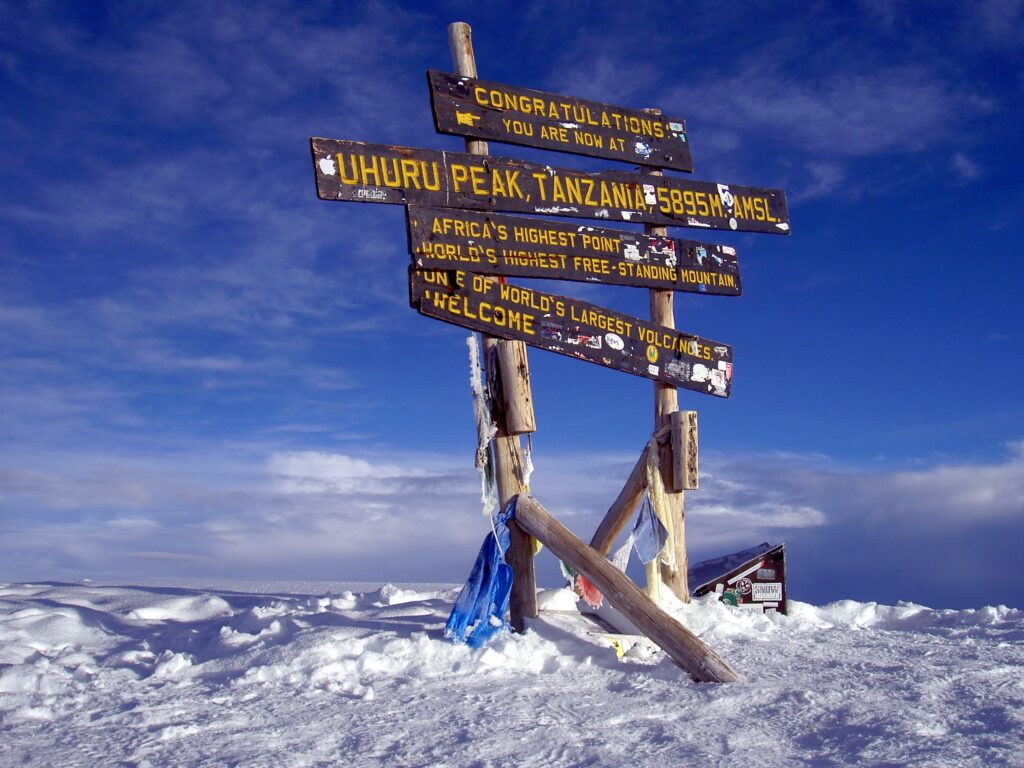
Climbing Mount Kilimanjaro in Tanzania is one of the most iconic trekking adventures in the world, attracting thousands of travelers seeking the ultimate African summit experience at Uhuru Peak within Mount Kilimanjaro. Many people searching for “Can I climb Kilimanjaro if I am afraid of heights?” are relieved to learn that this trek is not a technical climb requiring ropes or extreme exposure. Instead, it is a high-altitude hiking journey on well-defined trails through diverse ecosystems. Most climbers experience gentle slopes rather than sheer drops, making it suitable even for those with mild acrophobia. With professional guides, gradual ascent, and structured Kilimanjaro trekking tours, beginners can confidently attempt the climb while focusing more on endurance, altitude adaptation, and mental strength than height-related fear.
Understanding Fear of Heights on Kilimanjaro
Fear of heights, or acrophobia, varies from person to person, but on Kilimanjaro climbing routes such as Machame, Marangu, and Lemosho, the exposure is generally low. Unlike alpine mountaineering, Mount Kilimanjaro does not involve vertical cliffs or dangerous ledges. Most paths are wide and safe, allowing hikers to focus on walking rather than looking down steep drops. Tanzania trekking experts emphasize that psychological fear is often greater than actual risk. Kilimanjaro National Park trails are designed for safe passage, making guided Mount Kilimanjaro climb Tanzania experiences accessible. With proper preparation and mental reassurance, even climbers with mild fear of heights can successfully enjoy this unforgettable African safari trekking adventure.
Kilimanjaro Is a Hiking Mountain, Not a Technical Climb
One of the most important facts for nervous climbers is that Kilimanjaro is a trekking mountain, not a technical climbing peak. There is no need for ropes, harnesses, or climbing experience. The ascent to Uhuru Peak is achieved by walking on established paths managed by Mount Kilimanjaro authorities. This makes it one of the most accessible high-altitude trekking experiences in the world. Many travelers choose Kilimanjaro hiking tours specifically because it feels like a long mountain walk rather than a vertical climb. Even at higher elevations, the trails remain gradual, allowing climbers to focus on breathing, pacing, and acclimatization instead of exposure or dangerous heights.
Safe and Well-Marked Trekking Routes
Kilimanjaro offers several well-established routes such as Machame, Lemosho, Rongai, and Marangu, each designed for safe and gradual ascent. These Kilimanjaro trekking routes are maintained to ensure climbers avoid risky terrain and exposed edges. Guided tours in Tanzania prioritize safety, with experienced porters and certified guides leading every group. The paths inside Mount Kilimanjaro are clearly marked, reducing confusion and anxiety for first-time climbers. Even sections that feel high are wide and stable, with no technical climbing required. This structured environment helps people with fear of heights feel more comfortable, as the focus remains on endurance and altitude adaptation rather than dangerous vertical drops.
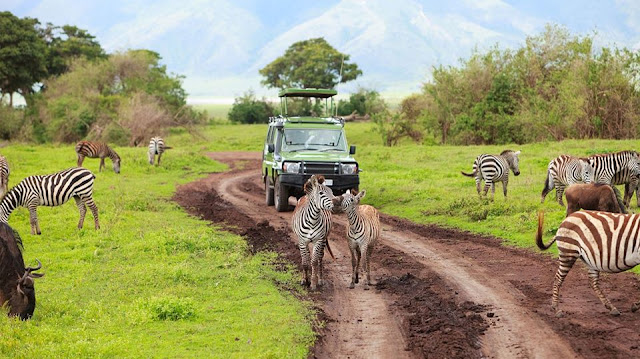
Approach, feed or disturb wildlife, or leave the vehicle unless your guide says it is safe.
Follow your guide, carry travel insurance and check current health and travel advice.
The Role of Professional Guides and Support Teams
One of the strongest advantages of climbing Kilimanjaro is the presence of professional mountain guides. These experts provide constant reassurance, pacing advice, and safety monitoring throughout the journey. In Tanzania Kilimanjaro tours, guides are trained to handle altitude sickness, fatigue, and emotional stress, including fear of heights. They walk with climbers step-by-step, ensuring confidence on every section of the trail within Mount Kilimanjaro. Porters also carry equipment, reducing physical strain and allowing climbers to focus on walking. This strong support system is one of the key reasons why Kilimanjaro summit success rates are high, even for beginners and those with anxiety about elevation.
Psychological vs Physical Challenges
On Kilimanjaro, the biggest challenge is not height exposure but psychological endurance and altitude effects. Many climbers experience fatigue, slow pacing, and mental pressure as they approach higher camps. However, fear of heights is usually less relevant because the terrain remains stable and non-technical. Trekking through Mount Kilimanjaro requires mental resilience more than climbing skills. Guided Tanzania safari and Kilimanjaro packages often include preparation tips to build confidence. By focusing on steady breathing, hydration, and positive mindset, climbers can overcome internal fears and enjoy the journey toward Uhuru Peak without being affected by height-related anxiety.
Altitude Effects vs Fear of Heights
Many climbers confuse altitude sickness with fear of heights, but they are completely different experiences. As you ascend Mount Kilimanjaro, oxygen levels decrease, which may cause headaches, dizziness, or fatigue. These effects are physical, not psychological. In Mount Kilimanjaro trekking, guides help manage altitude through slow ascent and acclimatization schedules. This ensures climbers remain safe and comfortable. Understanding this difference helps reduce anxiety for those afraid of heights. Most discomfort comes from altitude, not visual exposure. With proper pacing on Kilimanjaro hiking tours, climbers can adapt gradually and focus on reaching the summit rather than worrying about elevation-related fear.
Choosing the Best Route for Comfort
Selecting the right Kilimanjaro route can greatly improve comfort for those afraid of heights. The Lemosho and Rongai routes are often recommended for their gentle slopes and scenic, less exposed paths within Mount Kilimanjaro. These routes provide gradual ascent, increasing acclimatization success and reducing psychological stress. Unlike steeper sections found in other mountain treks worldwide, Kilimanjaro trails are designed for steady walking. Tanzania trekking experts often advise avoiding rushing routes and instead choosing longer itineraries for better adaptation. This ensures climbers feel more relaxed, confident, and supported throughout the journey to Uhuru Peak, even if they initially fear heights.
Safety Measures on the Mountain
Safety is a top priority on all Kilimanjaro climbing expeditions. Every group is accompanied by trained guides who monitor weather conditions, health status, and trail safety. Inside Mount Kilimanjaro, emergency protocols and rescue systems are in place for all routes. Climbers receive daily health checks and altitude monitoring to ensure safe progression. The absence of technical climbing sections significantly reduces physical danger, making it suitable for beginners. Tanzania Kilimanjaro tours also provide oxygen support if necessary. These strong safety measures ensure that even those with fear of heights can focus on enjoying the scenic landscapes rather than worrying about risk or exposure.
Mental Preparation Before the Climb
Mental preparation is essential for overcoming fear of heights during Kilimanjaro trekking. Visualization techniques, positive thinking, and understanding the trail structure help reduce anxiety. Climbers preparing for Mount Kilimanjaro tours are encouraged to learn about each stage of the ascent within Mount Kilimanjaro. Knowing that the journey involves gradual walking rather than steep climbing builds confidence. Many successful climbers report that mental readiness was more important than physical fitness. Guided Tanzania safari operators often provide pre-climb briefings, helping trekkers understand what to expect. This preparation ensures a calmer, more enjoyable experience, even for those with initial fear of heights or altitude concerns.
What the Terrain Really Feels Like
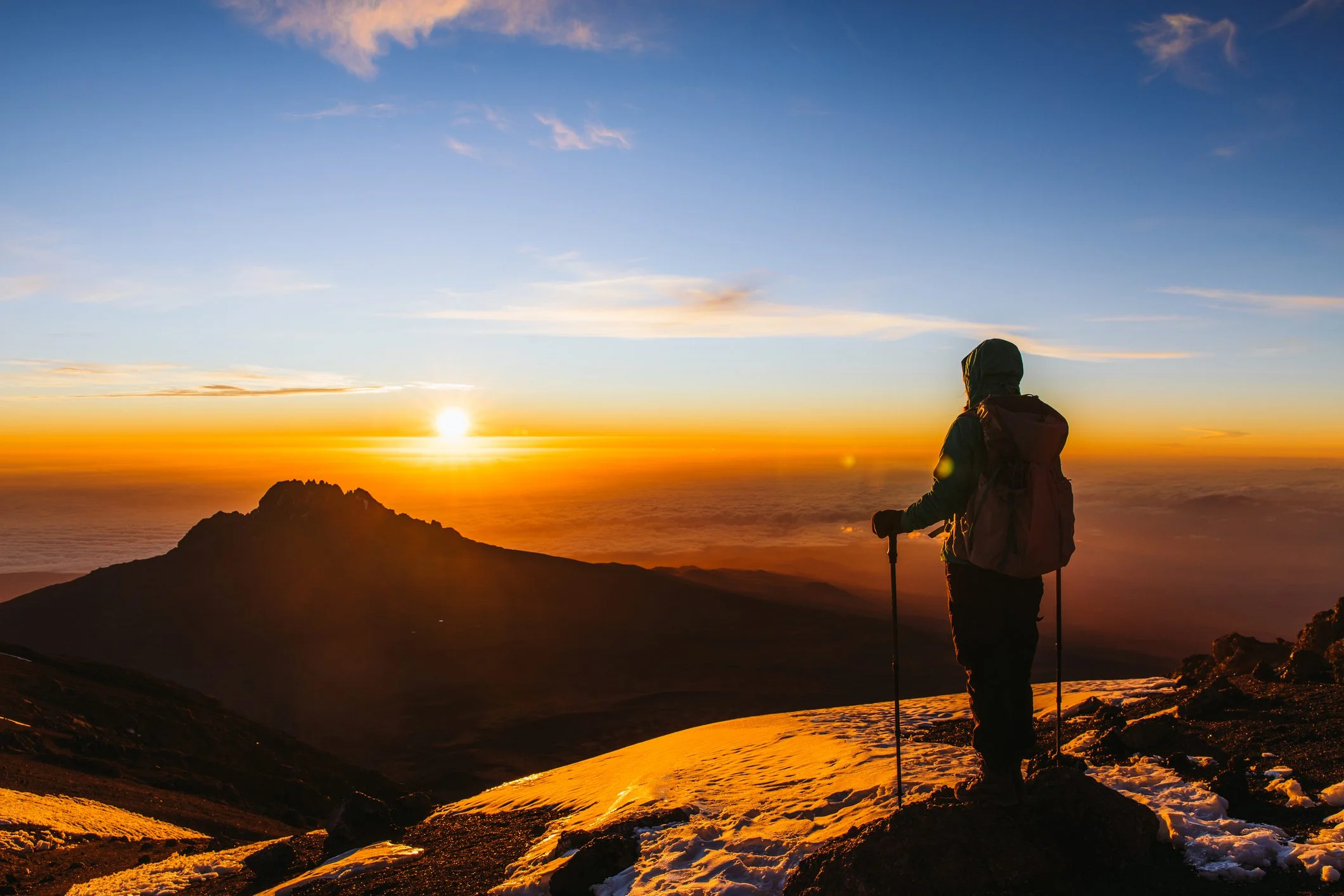
The terrain on Kilimanjaro is diverse but generally safe and walkable. From rainforest paths to alpine desert, the trails inside Mount Kilimanjaro are wide and stable. Most sections do not involve looking down steep cliffs, which is a common concern for people with acrophobia. Instead, climbers experience gradual elevation gain with scenic views of Tanzania’s landscapes. Kilimanjaro trekking tours are designed to prioritize comfort and safety. The feeling is more like a long scenic hike than a vertical climb. This makes it ideal for travelers who want adventure without extreme exposure or technical climbing challenges.
Group Support and Motivation
Climbing Kilimanjaro is often done in groups, which provides emotional support and motivation throughout the journey. Fellow climbers encourage each other during challenging sections of Mount Kilimanjaro. This teamwork helps reduce fear of heights by shifting focus from anxiety to shared achievement. Guides also play a key role in maintaining morale, offering encouragement and pacing advice. Tanzania Kilimanjaro tours emphasize group bonding, which makes the experience more enjoyable and less intimidating. Many climbers find that social support significantly boosts confidence and helps them push through both physical fatigue and psychological fears.
Why Beginners Successfully Reach the Summit
Thousands of beginners successfully reach Uhuru Peak each year because Kilimanjaro is designed as a trekking mountain, not a technical climb. With proper pacing and guidance, even first-time climbers can complete the journey within Mount Kilimanjaro. The key factors include gradual ascent, strong support teams, and structured Kilimanjaro trekking itineraries. Fear of heights rarely prevents success because the terrain does not involve dangerous exposure. Instead, determination, endurance, and acclimatization determine success. Tanzania safari and climbing packages ensure that beginners receive full preparation, making the experience achievable and rewarding for nearly all fitness levels.
Tips to Overcome Fear During the Climb
To overcome fear of heights on Kilimanjaro, climbers should focus on slow breathing, steady walking, and trusting their guides. Staying hydrated and maintaining a consistent pace within Mount Kilimanjaro helps reduce anxiety. Avoiding overthinking and focusing on each step rather than the summit also improves confidence. Many Kilimanjaro trekking experts recommend positive self-talk and distraction techniques, such as enjoying scenery or group conversation. Understanding that the mountain has no technical climbing sections also reassures nervous climbers. These practical strategies make the journey smoother and more enjoyable, even for those who initially struggle with fear of heights.
Final Thought
Climbing Kilimanjaro while afraid of heights is not only possible but common among many successful trekkers. The mountain’s non-technical nature within Mount Kilimanjaro makes it one of the most accessible high-altitude adventures in the world. With proper guidance, mental preparation, and support from professional guides, fear of heights becomes a minor concern compared to the excitement of reaching Uhuru Peak. Tanzania Kilimanjaro trekking tours are designed to prioritize safety, comfort, and confidence, allowing climbers to focus on the experience rather than fear. Ultimately, determination and preparation matter far more than acrophobia.
Can I Climb Kilimanjaro if I am Afraid of Heights?: FAQs
What should you know about understanding fear of heights on Kilimanjaro?
Fear of heights, or acrophobia, varies from person to person, but on Kilimanjaro climbing routes such as Machame, Marangu, and Lemosho, the exposure is generally low. Unlike alpine mountaineering, Mount Kilimanjaro does not involve vertical cliffs or dangerous ledges. Most paths are wide and safe, allowing hikers to focus on walking rather than looking down steep drops.
What should you know about Kilimanjaro is a hiking mountain, not a technical climb?
One of the most important facts for nervous climbers is that Kilimanjaro is a trekking mountain, not a technical climbing peak. There is no need for ropes, harnesses, or climbing experience. The ascent to Uhuru Peak is achieved by walking on established paths managed by Mount Kilimanjaro authorities.
What can you expect from safe and well-marked trekking routes on Kilimanjaro?
Kilimanjaro offers several well-established routes such as Machame, Lemosho, Rongai, and Marangu, each designed for safe and gradual ascent. These Kilimanjaro trekking routes are maintained to ensure climbers avoid risky terrain and exposed edges. Guided tours in Tanzania prioritize safety, with experienced porters and certified guides leading every group.
What should you know about the role of professional guides and support teams on Kilimanjaro?
One of the strongest advantages of climbing Kilimanjaro is the presence of professional mountain guides. These experts provide constant reassurance, pacing advice, and safety monitoring throughout the journey. In Tanzania Kilimanjaro tours, guides are trained to handle altitude sickness, fatigue, and emotional stress, including fear of heights.
What can you expect from psychological vs physical challenges on Kilimanjaro?
On Kilimanjaro, the biggest challenge is not height exposure but psychological endurance and altitude effects. Many climbers experience fatigue, slow pacing, and mental pressure as they approach higher camps. However, fear of heights is usually less relevant because the terrain remains stable and non-technical. Trekking through Mount Kilimanjaro requires mental resilience more than climbing skills.
What should you know about altitude effects vs fear of heights?
Many climbers confuse altitude sickness with fear of heights, but they are completely different experiences. As you ascend Mount Kilimanjaro, oxygen levels decrease, which may cause headaches, dizziness, or fatigue. These effects are physical, not psychological. In Mount Kilimanjaro trekking, guides help manage altitude through slow ascent and acclimatization schedules.
What is Choosing the Best Route for Comfort like?
Selecting the right Kilimanjaro route can greatly improve comfort for those afraid of heights. The Lemosho and Rongai routes are often recommended for their gentle slopes and scenic, less exposed paths within Mount Kilimanjaro. These routes provide gradual ascent, increasing acclimatization success and reducing psychological stress.
What can you expect from safety measures on the mountain on Kilimanjaro?
Safety is a top priority on all Kilimanjaro climbing expeditions. Every group is accompanied by trained guides who monitor weather conditions, health status, and trail safety. Inside Mount Kilimanjaro, emergency protocols and rescue systems are in place for all routes. Climbers receive daily health checks and altitude monitoring to ensure safe progression.
Climb Kilimanjaro With Confidence
Tell us your dates and fitness, and our experienced mountain team will plan a safe, well-acclimatized private climb.