
Top Five Tanzania Safari Companies Ranking
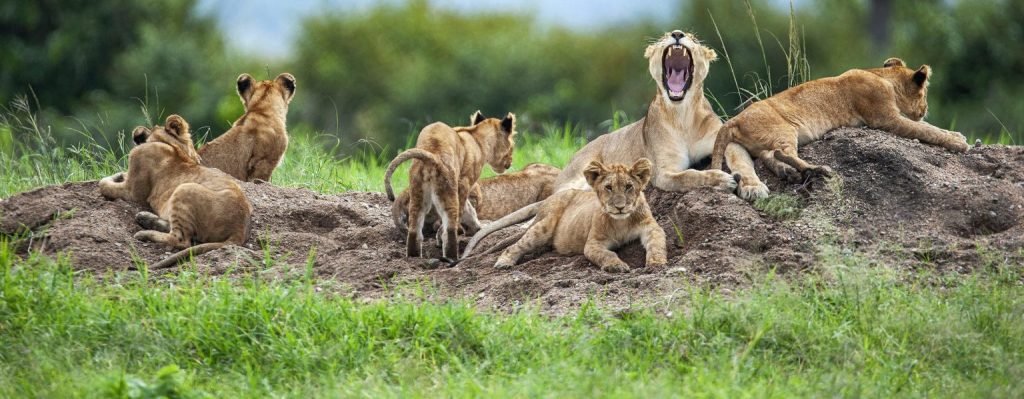
Experience the ultimate as which a, Tanzania stands as Africa’s premier safari destination, offering world-class wildlife experiences across iconic landscapes like the Serengeti, Ngorongoro Crater, and Mount Kilimanjaro. Choosing the best Tanzania safari company is essential for a seamless, safe, and unforgettable journey. Among the top-rated Tanzania tour operators, Foot Slopes Tours and Safaris has emerged as a trusted, locally owned safari specialist delivering personalized, luxury, budget, and tailor-made safari packages. Based in Arusha, this company is known for professional guides, sustainable tourism practices, and high customer satisfaction ratings, including near-perfect reviews on major platforms. Whether you are planning a Great Migration safari, Kilimanjaro trek, honeymoon safari, or family wildlife adventure, choosing a reputable operator ensures exceptional service, expert guidance, and authentic African safari experiences. 1. Tanzania Photography Safari Company For wildlife enthusiasts and professional photographers, Foot Slopes Tours and Safaris ranks among the best Tanzania photography safari companies. Their expertly guided photography tours focus on capturing the Big Five, the Great Migration, and rare birdlife in prime locations like Serengeti National Park and Ngorongoro Crater. With customized itineraries, open-roof 4×4 vehicles, and experienced guides who understand lighting, positioning, and animal behavior, photographers gain unmatched opportunities for perfect shots. The company offers private photography safaris, individual custom private tours, and luxury photographic expeditions, ensuring flexibility and comfort. Their deep knowledge of wildlife habitats enhances sightings, while sustainable tourism practices preserve natural ecosystems. These features make them a top choice for wildlife photography safaris in Tanzania, appealing to both beginners and professionals seeking high-quality safari experiences. 2. Tanzania Budget Safari Company Travelers seeking affordable adventures consistently rank Foot Slopes Tours and Safaris among the best budget safari companies in Tanzania. They provide cost-effective safari packages without compromising quality, safety, or authentic wildlife experiences. Budget travelers can enjoy shared group safaris, camping safaris, and low-cost lodge options across top destinations like Tarangire, Serengeti, and Lake Manyara. Despite competitive pricing, the company maintains high service standards with professional guides, reliable vehicles, and well-planned itineraries. Their flexible pricing structure makes Tanzania safaris accessible for solo travelers, students, and adventure seekers. Known for delivering excellent value, they combine affordability with immersive wildlife encounters, making them a preferred choice for cheap Tanzania safari packages, budget African safaris, and low-cost wildlife tours. 3. Tanzania Family Safari Company Families looking for safe and engaging wildlife adventures trust Foot Slopes Tours and Safaris as a leading family safari company in Tanzania. Their itineraries are designed with child-friendly accommodations, flexible schedules, and educational experiences that appeal to all ages. From game drives in Serengeti to cultural visits with Maasai communities, families enjoy both adventure and learning. The company prioritizes safety, comfort, and convenience, offering private guides, spacious safari vehicles, and tailored activities suitable for children and seniors alike. Their expertise ensures stress-free travel planning, making them ideal for family-friendly safaris in Africa, kids-friendly wildlife tours, and multi-generational safari vacations. With personalized service and attention to detail, they create unforgettable family safari memories. 4. Tanzania Honeymoon Safari Company For romantic getaways, Foot Slopes Tours and Safaris is recognized among the best honeymoon safari companies in Tanzania. They craft intimate, luxury safari experiences tailored for couples, combining wildlife adventures with romantic accommodations such as luxury lodges and tented camps. Couples can enjoy private game drives, sunset safaris, candlelit dinners in the bush, and exclusive experiences in Serengeti and Ngorongoro Crater. Their packages often include Zanzibar beach extensions, creating the perfect blend of adventure and relaxation. Known for attention to detail and personalized service, they deliver unforgettable moments for newlyweds. This makes them a top choice for Tanzania honeymoon safaris, romantic African vacations, and luxury couple safari packages. 5. Tanzania Luxury Safari Company Luxury travelers consistently rank Foot Slopes Tours and Safaris among the top luxury safari companies in Tanzania. Their high-end safari packages feature premium lodges, private guides, and exclusive wildlife experiences across Tanzania’s most iconic destinations. Guests enjoy personalized itineraries, fly-in safaris, VIP services, and access to world-class accommodations with stunning views of the African wilderness. Their luxury safaris emphasize comfort, privacy, and exceptional service while maintaining authentic wildlife encounters. With a focus on sustainable and ethical tourism, they ensure both luxury and environmental responsibility. These offerings position them as a leading provider of luxury African safaris, high-end Tanzania safari tours, and VIP safari experiences. 6. Kilimanjaro Trekking and Hiking Safari Company As a specialist in mountain adventures, Foot Slopes Tours and Safaris is highly regarded among Kilimanjaro trekking companies in Tanzania. They offer guided climbs on all major routes, including Machame, Marangu, and Lemosho, ensuring high success rates and safety standards. Their trekking packages include experienced mountain guides, porters, quality equipment, and proper acclimatization schedules. Beyond Kilimanjaro, they also organize Mount Meru hikes and combined safari-trekking packages. Their professional approach, safety protocols, and personalized support make them a trusted choice for climbers worldwide. This positions them among the best for Kilimanjaro climbing tours, Tanzania hiking safaris, and Mount Kilimanjaro expeditions. 7. Ngorongoro Crater Safari Tour Operators and Travel Agents Foot Slopes Tours and Safaris is a top choice for Ngorongoro Crater safari tours, offering expertly guided experiences within this UNESCO World Heritage Site. Their itineraries focus on maximizing wildlife sightings, including the Big Five, within the crater’s unique ecosystem. With knowledgeable guides and well-planned routes, travelers experience breathtaking landscapes and diverse wildlife in a single day. The company provides both private and group safaris, catering to various budgets and preferences. Their commitment to sustainability and conservation enhances the overall experience. These features make them one of the best operators for Ngorongoro Crater tours, Tanzania wildlife safaris, and African safari travel packages. 8. Tarangire Safari Tour Operators and Travel Agents Known for its large elephant herds and iconic baobab trees, Tarangire National Park is best explored with experts like Foot Slopes Tours and Safaris. They provide tailored Tarangire safaris focusing on wildlife density, seasonal migration patterns, and scenic landscapes. Their experienced guides enhance game drives with in-depth knowledge of animal behavior and park ecosystems. Travelers enjoy flexible itineraries, from day
Viaje de safari a Tanzania, itinerario destacado
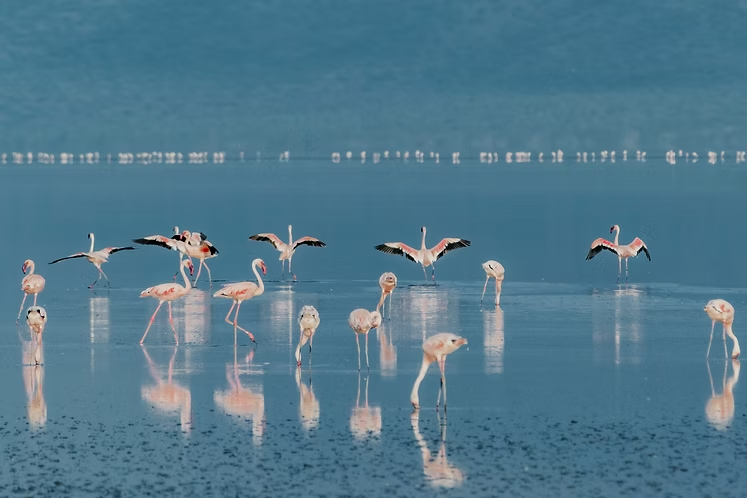
Un safari en Tanzania es una de las experiencias de viaje africanas más buscadas y gratificantes, que atrae a visitantes que buscan el “mejor safari africano”, “safari de vida silvestre en Tanzania” y “safari de lujo en Tanzania”. Ofrece una biodiversidad incomparable, paisajes emblemáticos y parques nacionales de fama mundial como el Parque Nacional del Serengeti, el Cráter de Ngorongoro, el Parque Nacional de Tarangire y el Parque Nacional del Lago Manyara. Los viajeros pueden disfrutar del safari de los Cinco Grandes, la Gran Migración de Ñus y emocionantes recorridos por las interminables sabanas. Ya sea que esté planeando un safari de lujo, un safari económico, una luna de miel o un safari familiar en Tanzania, el país ofrece una relación calidad-precio excepcional y una gran aventura. Con guías expertos, circuitos de safari bien desarrollados y alojamientos y campamentos de primera categoría, Tanzania sigue siendo un destino global de primer orden para la fotografía de vida silvestre, los encuentros culturales y unas vacaciones de safari africanas inolvidables. Es, sin duda, el corazón del auténtico turismo de naturaleza en África Oriental, que combina naturaleza, cultura y aventura en un solo destino. 1. Safari familiar en Tanzania Un safari familiar en Tanzania está diseñado para ofrecer experiencias de vida silvestre seguras, educativas y emocionantes, convirtiéndolo en una de las opciones más buscadas para “safaris familiares en Tanzania” y “tours de safari africanos para niños”. Las familias disfrutan visitando el Parque Nacional del Serengeti, el Parque Nacional de Tarangire y el Parque Nacional del Lago Manyara, donde los avistamientos de vida silvestre son frecuentes y las distancias de viaje son manejables. Los niños tienen la oportunidad de ver elefantes, leones, jirafas, cebras e hipopótamos en su hábitat natural mientras aprenden sobre conservación y los ecosistemas africanos. Los safaris familiares incluyen guías privados, itinerarios flexibles y cómodos alojamientos con piscinas y habitaciones familiares. Las visitas culturales a aldeas masái añaden valor educativo y comprensión cultural. Actividades como safaris cortos en vehículos todoterreno, caminatas por la naturaleza y narración de cuentos alrededor de la fogata hacen que el viaje sea atractivo para todas las edades. Un safari familiar en Tanzania crea recuerdos para toda la vida al combinar aventura, aprendizaje, unión familiar y la belleza de la naturaleza salvaje de África en un entorno seguro. 2. Safari económico en Tanzania Un safari económico en Tanzania es perfecto para quienes buscan “safari barato en Tanzania” o “paquetes de safari asequibles” sin renunciar a una auténtica experiencia con la vida salvaje. Estos safaris ofrecen recorridos compartidos, alojamiento en campamentos y lodges sencillos pero confortables. Entre los destinos más populares se encuentran el Parque Nacional del Serengeti, el Parque Nacional de Tarangire y el cráter de Ngorongoro. A pesar de los precios más bajos, los viajeros disfrutan de avistamientos increíbles de los Cinco Grandes, la migración de los ñus y paisajes diversos. Los safaris económicos suelen utilizar tours grupales, lo que reduce los gastos sin sacrificar la calidad de los servicios de guías profesionales ni los itinerarios bien planificados. Las comidas suelen estar incluidas, y acampar bajo las estrellas africanas ofrece una auténtica experiencia en plena naturaleza. Este estilo de safari es ideal para mochileros, estudiantes y aventureros que desean explorar África sin gastar demasiado. Un safari económico en Tanzania demuestra que los encuentros inolvidables con la vida salvaje y la observación de animales de primera clase pueden ser asequibles, convirtiéndolo en una de las opciones más populares para los viajeros que buscan ahorrar. 3. Safari por el Serengeti Un safari en el Serengeti es una de las experiencias de vida silvestre más emblemáticas del mundo, muy buscada bajo los términos “excursiones de safari en el Serengeti” y “el mejor safari de África”. El Parque Nacional del Serengeti es famoso por sus interminables llanuras doradas y la Gran Migración de Ñus, donde millones de animales se desplazan por el ecosistema en busca de pastos frescos. Los visitantes presencian emocionantes escenas de depredadores, como leones cazando, guepardos corriendo y cocodrilos cruzando ríos. Los safaris en vehículos todoterreno permiten observar elefantes, jirafas, cebras y cientos de especies de aves en su hábitat natural. Los safaris en globo aerostático al amanecer ofrecen impresionantes vistas aéreas de la sabana. Los alojamientos de lujo y los campamentos móviles siguen las rutas migratorias, garantizando encuentros cercanos con la vida silvestre. Un safari en el Serengeti es ideal para fotógrafos, recién casados y amantes de la vida silvestre que buscan experiencias inolvidables en un safari africano. Representa la combinación perfecta de aventura, paisajes y biodiversidad, convirtiéndolo en un destino imprescindible para cualquiera que explore Tanzania. 4. Safari de luna de miel en Tanzania Un safari de luna de miel en Tanzania es una de las experiencias de viaje africanas más románticas, a menudo buscada como “safari de luna de miel en Tanzania” y “safari romántico en África”. Las parejas disfrutan de safaris privados en el Parque Nacional del Serengeti y el Cráter de Ngorongoro, donde la vida silvestre y los paisajes crean escenarios mágicos. Los lujosos campamentos y lodges ofrecen privacidad, comodidad y un servicio personalizado. Las cenas a la luz de las velas bajo las estrellas y los safaris en globo al amanecer realzan el romance y crean recuerdos inolvidables. Muchos paquetes de luna de miel incluyen extensiones a las playas de arena blanca de Zanzíbar para relajarse después de las aventuras del safari. Las parejas pueden disfrutar de tratamientos de spa, lodges exclusivos y encuentros íntimos con la vida silvestre, con elefantes, leones y jirafas en las cercanías. Un safari de luna de miel en Tanzania combina aventura, lujo y privacidad, lo que lo hace perfecto para los recién casados que buscan un viaje único en la vida. Combina paisajes impresionantes, una hospitalidad excepcional y experiencias románticas, asegurando que las parejas creen recuerdos para toda la vida en uno de los destinos de safari más hermosos de África. 5. Safari al cráter de Ngorongoro Un safari en el cráter de Ngorongoro es una de las experiencias de vida silvestre más singulares de
Ways to Prevent Injuries on Mount Kilimanjaro
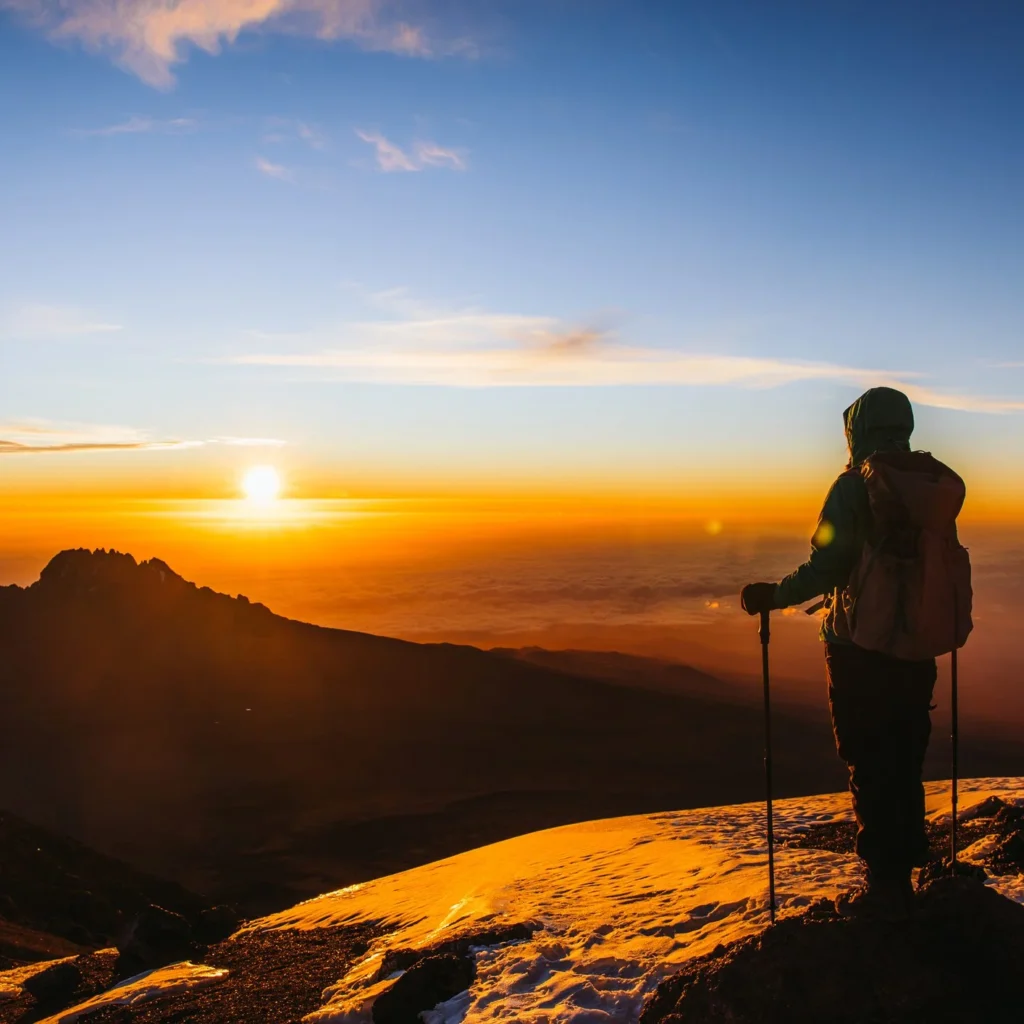
Climbing Mount Kilimanjaro, Africa’s tallest peak, is an unforgettable adventure, but it comes with risks if you’re unprepared. Preventing injuries on Kilimanjaro is critical for a safe and successful summit. From blisters to altitude sickness, proper preparation reduces the chances of setbacks and ensures an enjoyable trek. This guide covers the top ways to stay safe on Kilimanjaro, including essential hiking gear, training strategies, and wellness tips. By following these expert-backed recommendations, you’ll improve your Kilimanjaro climbing safety, minimize fatigue, and protect your body in challenging terrain. Whether you’re planning a guided Kilimanjaro trek, luxury safari climb, Kilimanjaro climbing reviews, or budget Kilimanjaro adventure, these tips are indispensable for first-time and experienced hikers alike. Break in Hiking Boots One of the most common causes of blisters and foot injuries on Kilimanjaro is wearing new boots. Before your climb, it’s essential to break in hiking boots gradually. Start with short hikes, increasing duration and carrying a weighted backpack to simulate trek conditions. Well-broken-in boots provide proper support, reduce friction, and protect your ankles on rugged terrain. Make sure boots are breathable, waterproof, and fit with the socks you’ll wear on the mountain. Kilimanjaro trekking experts recommend boots with a sturdy sole and ankle support to handle rocky trails. Preventing foot injuries ensures you conserve energy, maintain pace, and avoid painful interruptions, making safe Kilimanjaro hiking achievable. Proper footwear preparation is a foundational step in preventing injuries while climbing Kilimanjaro. Utilize Trekking Poles Using trekking poles on Mount Kilimanjaro can significantly reduce strain on your knees and joints. Poles improve balance, especially on steep ascents and slippery descents, preventing falls and sprains. Adjustable poles allow you to maintain proper posture and rhythm, conserving energy on long trekking days. Many climbers experience reduced muscle fatigue and improved endurance when using poles consistently. Poles also distribute weight across your upper body, easing pressure on your ankles and reducing the risk of blisters. For safety on Kilimanjaro treks, practice walking with poles before your climb to ensure correct technique. Investing in lightweight, durable trekking poles is a top recommendation for anyone aiming to prevent injuries while climbing Kilimanjaro safely. Acclimatize Slowly (Polé Polé) Altitude sickness is a major concern when climbing Kilimanjaro. The key to preventing high-altitude injuries is slow acclimatization, or Polé Polé—Swahili for “slowly, slowly.” Ascend gradually, take rest days, and follow recommended routes like Machame or Lemosho for proper acclimatization. This approach reduces headaches, nausea, and fatigue, which can lead to slips or accidents. Listen to your body: avoid pushing through severe symptoms. Staying hydrated and consuming balanced meals also supports acclimatization. Experienced Kilimanjaro guides stress that patience is more effective than speed, enhancing your summit success while minimizing health risks. Slow ascent is an essential Kilimanjaro climbing tip for safety and injury prevention, ensuring a safe and enjoyable trek. Wear Layered Clothing Mount Kilimanjaro’s climate changes dramatically from rainforest to alpine desert. Wearing layered clothing protects against hypothermia, frostbite, and overheating. Layering allows you to adjust insulation according to temperature, exertion, and altitude. Start with moisture-wicking base layers, add insulating mid-layers, and finish with waterproof outer shells. Don’t forget gloves, hats, and gaiters. Quality gear reduces the risk of skin injuries, blisters, and cold-related conditions while maintaining comfort during long treks. Kilimanjaro safety experts recommend investing in breathable, lightweight layers for maximum mobility. Proper clothing prevents exposure-related injuries and supports Kilimanjaro climbing endurance, enabling climbers to tackle altitude changes confidently. Layering is both a safety measure and a comfort strategy for all Mount Kilimanjaro trekking adventures. Train with Hiking Specifics Physical preparation is critical for injury prevention on Kilimanjaro. Focus on hiking-specific training, including uphill walking, stair climbs, lunges, and weighted backpack exercises. Cardiovascular fitness, leg strength, and core stability reduce fatigue and lower the risk of falls, sprains, and muscle strains. Gradually increase duration and intensity to simulate trek conditions. Incorporate balance and flexibility exercises to navigate uneven trails safely. Experienced climbers emphasize that training improves Kilimanjaro endurance, summit success, and injury resistance. Don’t neglect mental preparation: confidence and familiarity with trekking movements reduce panic-related accidents. Proper pre-Kilimanjaro training ensures your body can handle high-altitude trekking and rugged terrain, making your climb safer, more enjoyable, and free from preventable injuries. Drink 3-4 Liters of Water Daily Staying hydrated is crucial for preventing altitude sickness and dehydration injuries on Kilimanjaro. Drink 3–4 liters of water daily, adjusting intake based on exertion and altitude. Dehydration increases fatigue, dizziness, and cramping, which heighten the risk of falls or accidents. Use a hydration bladder or reusable water bottles for convenience on long trekking days. Electrolyte supplements help maintain fluid balance and prevent headaches. Guides advise sipping water frequently rather than consuming large amounts at once. Proper hydration supports optimal physical performance, acclimatization, and injury prevention, allowing climbers to move efficiently and reduce muscle strain. Maintaining adequate water intake is a simple but essential Kilimanjaro safety tip for all trekking levels. Keep Skin Dry and Protected Wet or chafed skin increases the risk of blisters, infections, and frostbite during Kilimanjaro climbs. Moisture-wicking socks, breathable layers, and quick-dry clothing prevent skin irritation. Apply anti-chafing balms on sensitive areas and change damp clothing promptly. Protect your feet with clean socks and avoid wearing wet shoes for long periods. During rainy or snowy conditions, waterproof outer layers and gaiters help maintain dryness. Proper skin care reduces foot injuries and rashes, which can derail your trekking schedule. Experienced Kilimanjaro climbers recommend preventive measures like regular foot checks and moisture control to ensure a safe, comfortable ascent. Keeping skin dry is a foundational injury-prevention strategy on Mount Kilimanjaro. Prepare Your Knees Knee injuries are common during long descents on Kilimanjaro. Strengthen quadriceps, hamstrings, and calves through stair climbing, lunges, and squats before your trek. Using knee braces or supportive wraps can prevent strain on steep, rocky terrain. Trekking poles also help distribute weight and reduce knee impact. Proper technique—short steps, controlled descents, and avoiding sudden twists—minimizes stress. Experienced climbers highlight that strengthening knees pre-climb improves stability, reduces joint pain,
Things They Don’t Tell You About Climbing Kilimanjaro
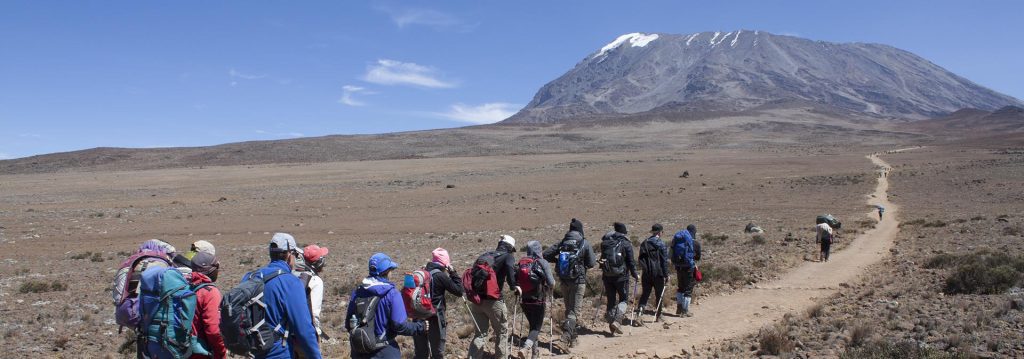
Climbing Mount Kilimanjaro is often marketed as a bucket-list adventure—Africa’s highest peak, the “Roof of Africa,” and one of the best non-technical climbs in the world. But beyond the glossy images and summit selfies, there are realities that many Kilimanjaro guides, blogs, and travel brochures don’t fully explain. This rich guide uncovers the truth about Kilimanjaro trekking, from altitude sickness and summit night challenges to mental endurance and packing essentials. Whether you’re planning a Machame Route, Lemosho Route, or Marangu Route climb, understanding these hidden truths will boost your summit success rate. Expect expert Kilimanjaro tips, real trekking insights, and essential preparation advice to help you conquer this iconic Tanzania adventure with confidence, safety, and unforgettable memories. 1. Age and Fitness Are Irrelevant When Climbing Kilimanjaro One of the most surprising truths about climbing Mount Kilimanjaro is that age and peak fitness are not the biggest predictors of success. You’ll meet teenagers and seniors alike on the trail, many reaching the summit successfully. While basic fitness helps, the climb is non-technical and doesn’t require mountaineering skills. What truly matters is pacing, acclimatization, and determination. Many ultra-fit climbers fail because they underestimate altitude, while less athletic trekkers succeed by following guides’ instructions and maintaining a steady rhythm. Choosing the right Kilimanjaro route, proper itinerary length, and an experienced tour operator plays a greater role than gym strength. So, whether you’re planning a budget Kilimanjaro trek or a luxury safari add-on climb, remember—your mindset and patience outweigh your physical stats. 2. Altitude is a Great Equalizer On Mount Kilimanjaro, altitude sickness doesn’t discriminate. Whether you’re a marathon runner or a first-time hiker, Acute Mountain Sickness (AMS) can affect anyone. This is why Kilimanjaro success rates depend more on acclimatization than fitness. As you ascend beyond 3,000 meters, oxygen levels drop, and symptoms like headaches, nausea, and dizziness may appear. Popular routes like Lemosho and Northern Circuit are recommended for better acclimatization. The key takeaway for climbers: “Climb high, sleep low” and listen to your body. Even the strongest climbers have turned back near Uhuru Peak due to altitude. Hiring experienced Kilimanjaro guides and choosing longer itineraries significantly improves your chances of reaching the summit safely. 3. You Will Not Sleep Well Sleep on Kilimanjaro is surprisingly difficult. As altitude increases, your body struggles to rest due to lower oxygen levels, causing frequent waking, vivid dreams, and shallow breathing. This is known as periodic breathing and is common above 3,500 meters. Even in comfortable tents or huts on the Marangu Route, restful sleep is rare. Combined with cold temperatures and early wake-up calls, fatigue builds quickly. That’s why Kilimanjaro packing lists often include sleeping aids like earplugs, warm sleeping bags, and sleeping pads. Despite exhaustion, your body continues acclimatizing while you rest. Don’t panic if you barely sleep—this is normal during high-altitude trekking. Staying hydrated and maintaining a slow pace helps your body adjust better for summit night success. 4. The “Long Walk” to the Toilet Tent One reality many Kilimanjaro trekking guides don’t emphasize is the distance to the toilet tent. Camps are spread out, and at night—when temperatures drop below freezing—you may face a long, uncomfortable walk just to use the bathroom. On camping routes like Machame and Lemosho, portable toilet tents are provided, but they’re not always nearby. This becomes especially challenging during summit night or when you’re feeling unwell from altitude sickness. Packing a headlamp, warm layers, and easy-to-remove clothing is essential. Some climbers even bring a pee bottle for convenience. While not glamorous, this is part of the Kilimanjaro experience. Being mentally prepared for these small discomforts can make a big difference in your overall trekking comfort. 5. You Will Walk “Pole Pole” (Slowly) “Pole pole”—meaning “slowly slowly” in Swahili—is the golden rule of climbing Mount Kilimanjaro. While it may feel frustrating at first, this slow pace is critical for acclimatization and increasing summit success rates. Kilimanjaro guides set a steady rhythm that may feel too easy at lower altitudes but becomes essential as you climb higher. Walking too fast is one of the main reasons climbers fail to reach Uhuru Peak. The slow pace conserves energy, stabilizes breathing, and reduces the risk of altitude sickness. Trust your guides—they know the mountain. Embracing “pole pole” not only improves your chances of success but also allows you to fully appreciate the stunning landscapes along the way. 6. It’s a Mental Game, Not Physical Climbing Mount Kilimanjaro is less about physical strength and more about mental resilience. While basic fitness helps, your mindset determines whether you reach the summit. Long trekking days, cold nights, altitude discomfort, and exhaustion test your determination. Summit night, in particular, is a psychological challenge—hiking in darkness, freezing temperatures, and thin air. Many climbers quit not because they can’t continue physically, but because they doubt themselves. Positive thinking, goal-setting, and support from your guides and fellow trekkers are crucial. Breaking the climb into small milestones makes it more manageable. Remember, thousands of ordinary people summit Kilimanjaro every year—it’s your mental strength that will carry you to Uhuru Peak. 7. You Will Have No Privacy Privacy is a luxury you won’t have on Kilimanjaro. Camps are busy, tents are close together, and daily routines—from eating to resting—are shared with your trekking group and crew. Changing clothes, washing, and even using the toilet tent can feel exposed compared to everyday comfort. On the Marangu Route, dormitory-style huts mean even less personal space. This communal experience, however, is part of the Kilimanjaro adventure. It fosters camaraderie and teamwork among climbers and guides. Embracing this shared environment can make the journey more enjoyable. Pack lightweight layers for easy changing and be mentally prepared for limited personal space. Understanding this reality helps manage expectations and enhances your overall trekking experience. 8. The Dust is Everywhere Kilimanjaro’s trails, especially on routes like Machame and Rongai, can be incredibly dusty. Fine volcanic dust gets into your clothes, boots, backpack, and even your lungs. During dry seasons (June to October), the dust becomes
Design a Tanzania Safari online
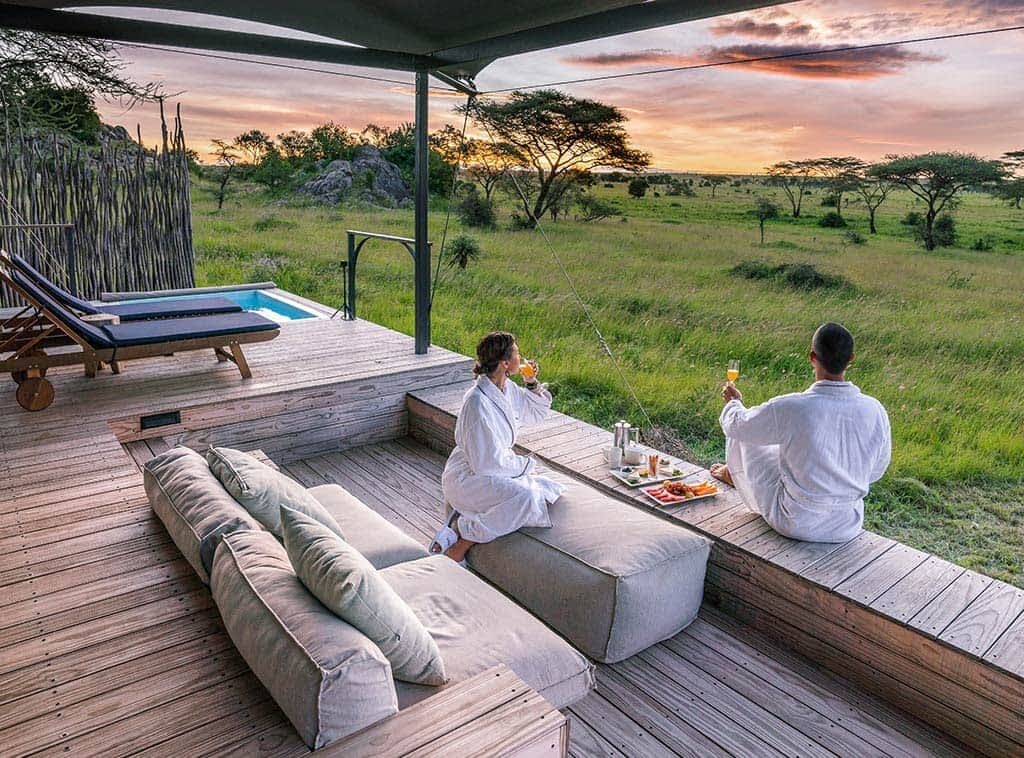
Designing a Tanzania safari online has become one of the most efficient and exciting ways to plan an African wildlife adventure by design a Tanzania safari online. With advanced safari planner tools, travelers can now customize itineraries, compare safari packages, and book tailor-made experiences from anywhere in the world. Tanzania remains a top safari destination, famous for the Serengeti National Park, Ngorongoro Crater, Tarangire National Park, and Mount Kilimanjaro. Online safari design platforms allow users to choose luxury safari lodges, budget camping safaris, or private guided tours with just a few clicks. By using driven safari booking systems, travelers can explore real-time availability, best travel seasons, and personalized safari routes. This digital transformation makes Tanzania safari planning easier, faster, and more transparent, ensuring every traveler builds a unique wildlife experience tailored to their budget, interests, and travel style. 1. Understanding Tanzania Safari Online Planning Tools Tanzania safari online planning tools are digital platforms designed to help travelers create customized safari itineraries. These systems allow users to explore destinations such as Serengeti, Ngorongoro, and Lake Manyara while comparing accommodation options and safari activities. With built-in optimized search features, travelers can quickly find luxury safari packages, budget tours, and private safari experiences. These tools often include interactive maps, day-by-day itinerary builders, and cost calculators. By using online safari design platforms, travelers can avoid traditional travel stress and instead focus on personalization. Whether planning a honeymoon safari or a family wildlife adventure, these tools simplify the entire booking process. The integration of real-time availability ensures that travelers can secure the best lodges and safari camps efficiently, making Tanzania safari planning more accessible than ever before. 2. Choosing the Best Safari Destinations in Tanzania When designing a Tanzania safari online, selecting the right destinations is essential for a memorable experience. The Serengeti National Park is famous for the Great Migration and big cats, while Ngorongoro Crater offers dense wildlife viewing in a unique volcanic landscape. Tarangire National Park is known for its large elephant herds, and Lake Manyara provides diverse birdlife and tree-climbing lions. Many online safari planners highlight these destinations using focused travel guides to help users compare experiences. Travelers can also include cultural visits to Maasai villages or combine safaris with Zanzibar beach holidays. Choosing destinations depends on travel goals, budget, and season. Online safari design platforms make it easy to mix multiple parks into one itinerary, ensuring a balanced and exciting wildlife adventure across Tanzania’s most iconic landscapes. 3. Selecting the Right Tanzania Safari Package Type Safari package selection is a key step when designing a Tanzania safari online. Travelers can choose between luxury safari packages, mid-range tours, budget camping safaris, or private tailor-made itineraries. Luxury safaris offer high-end lodges, gourmet dining, and exclusive game drives, while budget options focus on affordability and adventure. Online safari planners use driven filters to help users compare inclusions such as park fees, accommodation, transportation, and guide services. Families often prefer customized safari packages, while honeymoon travelers choose romantic safari lodges with scenic views. The flexibility of online safari design allows travelers to mix and match experiences, ensuring a personalized journey. By selecting the right package type, visitors can balance comfort, cost, and adventure while exploring Tanzania’s world-famous wildlife destinations. 4. Customizing Your Tanzania Safari Itinerary Online Customizing a Tanzania safari itinerary online gives travelers full control over their journey. Most safari design platforms allow users to select travel dates, the number of days, and preferred national parks. You can create multi-destination itineraries covering Serengeti, Ngorongoro Crater, and Tarangire National Park in a seamless flow Tanzania Safari itinerary builders suggest the best routes based on wildlife seasons and migration patterns. Travelers can also add optional activities such as hot air balloon safaris, walking safaris, or cultural tours. Online customization ensures flexibility, allowing adjustments based on budget and travel preferences. This process eliminates guesswork and ensures every safari is uniquely designed. With real-time updates and interactive planning tools, building a Tanzania safari itinerary online has become the most efficient way to create a personalized African adventure. 5. Choosing Accommodation for Your Safari Accommodation plays a major role in Tanzania safari planning online. Travelers can select from luxury safari lodges, tented camps, mid-range hotels, or budget campsites depending on their preferences. Online safari platforms provide rich listings of accommodations near major parks like Serengeti and Ngorongoro. Luxury lodges offer panoramic views, swimming pools, and premium services, while tented camps provide a closer connection to nature. Budget options focus on simplicity and affordability without compromising safety. Safari design tools allow users to compare prices, amenities, and locations before booking. Many platforms also include reviews and ratings to help travelers make informed decisions. Choosing the right accommodation ensures comfort during long game drives and enhances the overall Tanzania safari experience, making it both enjoyable and memorable. 6. Understanding Tanzania Safari Costs and Budget Planning Budget planning is essential when designing a Tanzania safari online. Safari costs vary depending on duration, accommodation type, season, and destinations visited. Luxury safaris are more expensive due to premium lodges and private services, while budget safaris offer more affordable group travel options. Online safari planners use optimized cost calculators to estimate total trip expenses, including park fees, transport, guides, and meals. Travelers can adjust their itinerary to match their budget by selecting different accommodation levels or reducing travel days. Seasonal pricing also affects safari costs, with peak migration months being more expensive. Transparent online pricing tools make it easier for travelers to plan financially before booking. This ensures there are no hidden costs, allowing for a smooth and well-prepared Tanzania safari experience. 7. Best Time to Design and Book a Tanzania Safari Timing is crucial when planning a Tanzania safari online. The best time to visit depends on wildlife movements and weather conditions. The dry season from June to October is ideal for game viewing, especially in the Serengeti during the Great Migration. The wet season from November to May offers lush landscapes and fewer crowds. Online safari design platforms use SEO-driven seasonal
Antelope vs Gazelle
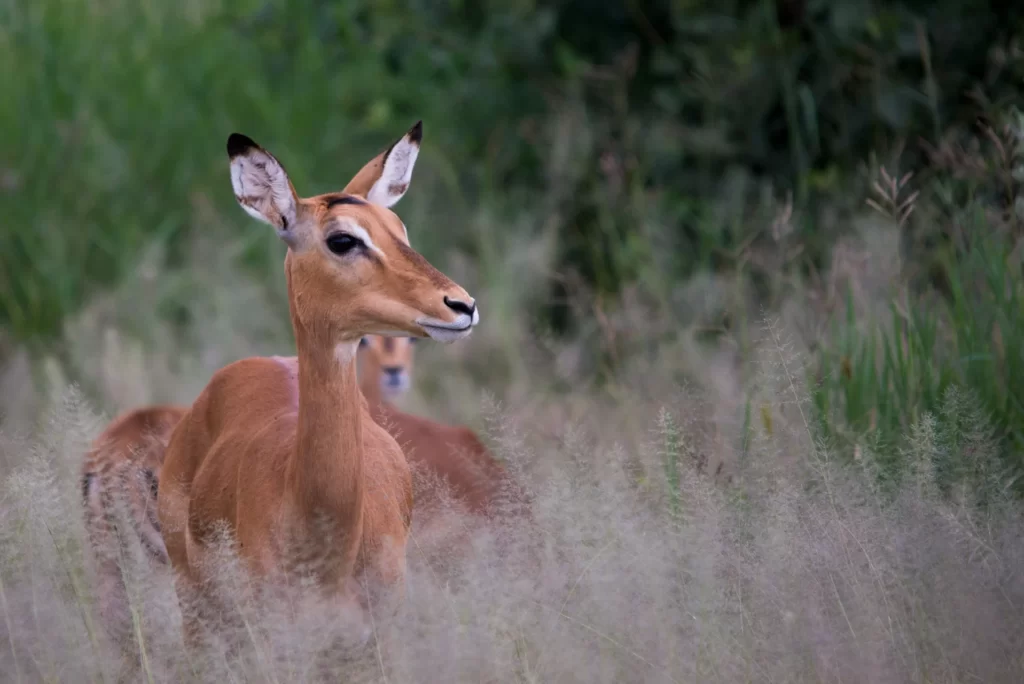
Antelopes and gazelles are among the most searched African safari animals, often featured in wildlife documentaries, safari guides, and nature photography tours across East Africa. Both belong to the Bovidae family and are commonly seen in destinations like Serengeti, Ngorongoro, Maasai Mara, and other African savannah ecosystems. However, many travelers confuse antelope vs gazelle due to their similar appearance, graceful movement, and shared habitats. Understanding the difference between antelope and gazelle is essential for wildlife enthusiasts, safari travelers, and travel content creators targeting keywords such as African wildlife, safari animals, and African savannah species. This guide explores their differences, behavior, speed, diet, habitat, and survival strategies. Whether you are planning a Tanzania safari or researching African wildlife facts, this detailed comparison will help you clearly distinguish antelopes from gazelles while improving your knowledge of iconic African wildlife species. What Are Antelopes? Antelopes are a diverse group of herbivorous mammals found mainly in Africa and parts of Asia, widely recognized in safari tourism and wildlife photography. They belong to the Bovidae antelope family and include over 90 different species such as Impala, Oryx, Eland, Waterbuck, Wildebeest, Kudu, Duiker, Klipspringer, Bushbuck, Hartebeest, Topi, Sable Antelope, and all gazelles. Antelopes vary greatly in size, from small dik-dik to large eland, making them one of the most diverse African wildlife groups. They are commonly seen in savannahs, grasslands, woodlands, and semi-arid regions. Antelopes are known for their agility, speed, and strong herd behavior, which helps them survive predators like lions, cheetahs, and hyenas. Explore and discover ntelope safari sightings, African antelope species, and wildlife tours in Tanzania are high-ranking search topics. Their curved horns, lean bodies, and strong jumping ability make them one of the most iconic animals in African safari ecosystems and a must-see for wildlife lovers. What Are Gazelles? Gazelles are a specific group of small to medium-sized antelopes known for their incredible speed, elegance, and survival instincts in the wild African savannah. They are commonly found in East Africa, including Tanzania and Kenya, and are frequently seen in Serengeti National Park during wildlife safaris. Gazelles are characterized by their slim bodies, long legs, and distinctive curved horns, especially in males. Popular species include Thomson’s gazelle, Grant’s gazelle, and Dorcas gazelle. Gazelles are highly adapted to open grasslands where they rely on speed and agility to escape predators such as cheetahs. These animals are part of the gazelle gang: Thomson’s Gazelle, Grant’s Gazelle, Gerenuk, Steenbok, Oribi, Springbok, Dik-dik (the smallest btw). Discover gazelle migration, the African gazelle species, and Serengeti gazelle sightings. Their ability to sprint at high speeds and make sharp directional changes makes them one of the most fascinating animals in African wildlife tourism and safari photography experiences. Key Differences Between Antelope and Gazelle The main difference between antelopes and gazelles lies in classification, size, and physical characteristics. While all gazelles are technically antelopes, not all antelopes are gazelles. Antelopes represent a broad group of species, whereas gazelles are a specific subset within that group. Gazelles are generally smaller, lighter, and faster compared to many larger antelope species like kudu or eland. Antelopes can inhabit diverse environments such as forests, mountains, and savannahs, while gazelles primarily prefer open grasslands. In terms of appearance, gazelles have more slender bodies and typically more curved horns. Antelopes show greater variation in horn shape, body size, and coloration. From a perspective, searches like “difference between antelope and gazelle,” “gazelle vs antelope comparison,” and “African wildlife species differences” are highly popular among safari travelers and wildlife researchers looking to understand African animal classification clearly. Horns The horns of the Antelope and gazelle are one of the most important identification features in African wildlife and safari animal comparison guides. Antelopes display a wide variety of horn shapes depending on species, including spiral, curved, straight, or ridged forms. These horns are usually present in both males and sometimes females, especially in species like kudu or impala. In contrast, the Gazelle typically has slender, ringed, and slightly backward-curving horns that are more uniform in shape. Gazelle horns are generally lighter and more elegant, designed more for display and quick defensive maneuvers rather than heavy combat. In antelope vs gazelle comparisons, antelope horns are often thicker and more diverse, reflecting their broader taxonomy. Gazelles, on the other hand, have more streamlined horn structures that match their fast-running, open-savanna lifestyle and predator avoidance strategies. Habitat Antelopes and gazelles are both iconic African safari animals, but their habitats show important ecological differences. Antelopes are widely distributed across sub-Saharan Africa and can be found in forests, savannas, mountains, wetlands, and semi-desert regions, depending on species. This adaptability makes antelopes one of the most successful large herbivore groups in African wildlife ecosystems. Gazelles, however, are more specialized and are mainly found in open grasslands, arid plains, and desert-edge environments. They prefer wide, open visibility landscapes where speed is their main defense against predators. In antelope vs gazelle habitat comparisons, antelopes show broader ecological tolerance, while gazelles are highly adapted to dry, open savanna and semi-arid climates. This difference is often highlighted in safari travel guides, as gazelles are more commonly seen in plains such as the Serengeti, while antelopes may appear in a wider range of national parks and ecosystems. Appearance and Size In terms of appearance and size, the Antelope and Gazelle show clear distinctions that are often highlighted in African safari wildlife identification guides. Antelopes vary greatly in body size, ranging from small species like dik-dik to large species like eland, which can weigh over 500 kg. They often have robust bodies, longer limbs, and more varied coat patterns depending on species. Gazelles are generally smaller, lighter, and more uniform in body structure, typically weighing between 12 and 75 kg. They have slender legs, compact bodies, and distinctive facial markings such as dark side stripes and white underbellies. In antelope vs gazelle comparisons, gazelles are considered more graceful and aerodynamic, while antelopes display a broader range of body types and adaptations. This makes antelopes more diverse in morphology, while gazelles
Best 1 Week Tanzania Safaris
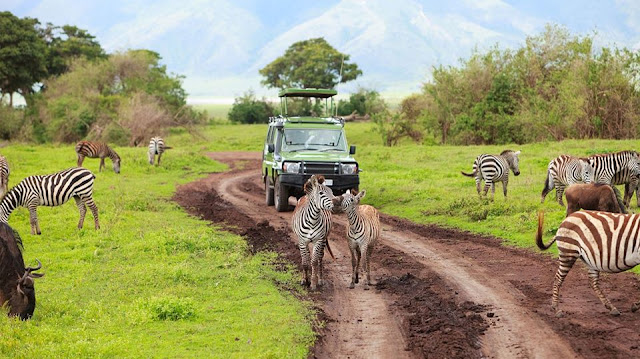
Best 1 Week Tanzania Safaris 2024/2025. Embark on the best 1-week Tanzania safaris in 2023-2024 to witness the awe-inspiring wildlife, breathtaking landscapes, and cultural richness of the Serengeti. Discover the ultimate guide to planning your dream safari. Welcome to the adventure of a lifetime! If you’re an avid nature lover, wildlife enthusiast, or an adventurer seeking a memorable experience, a Tanzania safari is an absolute must for your travel bucket list. Tanzania, located in East Africa, boasts some of the world’s most renowned national parks and game reserves, offering an unparalleled safari experience. In this comprehensive guide, we will delve into the Best 1 Week Tanzania Safaris in 2024/2025, providing you with a wealth of information to plan the perfect safari getaway. From the iconic Serengeti National Park to the lesser-known gems, you’ll uncover the secrets of Tanzania’s abundant biodiversity and cultural treasures. Best 1 Week Tanzania Safaris 2024-2025 Your dream of an unforgettable safari journey begins here! This section will highlight the best safari experiences Tanzania has to offer in 2024-2025, allowing you to make informed decisions and curate an itinerary tailored to your preferences. 1. Serengeti National Park: Where Wildlife Roams Free Serengeti National Park is the crown jewel of Tanzanian safaris, famous for its Great Migration. Witness millions of wildebeests and zebras traversing vast plains in search of fresh grazing grounds. The Serengeti is also home to the Big Five (lion, elephant, buffalo, leopard, and rhinoceros), providing fantastic opportunities for wildlife sightings. 2. Ngorongoro Crater: A Natural Wonderland Ngorongoro Crater, a UNESCO World Heritage Site, boasts one of the highest densities of wildlife in Africa. The collapsed volcanic caldera forms a natural enclosure for a diverse array of animals. Spot endangered black rhinos, lions, cheetahs, and a variety of bird species in this picturesque setting. 3. Tarangire National Park: Land of Giants Tarangire National Park is renowned for its massive elephant herds and iconic baobab trees. Traverse the rugged landscapes to witness these gentle giants in their natural habitat and enjoy game drives that promise to leave you in awe of Tanzania’s incredible biodiversity. 4. Lake Manyara National Park: A Flamingo Haven Lake Manyara National Park is a bird lover’s paradise, famous for its flocks of vibrant pink flamingos. Experience the diverse birdlife, tree-climbing lions, and lush greenery surrounding the shimmering lake. 5. Selous Game Reserve: A Wilderness Escape Escape the crowds and delve into the remote wilderness of Selous Game Reserve. This off-the-beaten-path destination offers exclusive safari experiences, including boat safaris along the Rufiji River and walking safaris with expert guides. 6. Ruaha National Park: Untamed Wilderness Ruaha National Park is Tanzania’s largest national park, yet it remains relatively undiscovered by tourists. Experience the raw and untouched beauty of the African bush as you encounter lions, leopards, and elephants in their unspoiled environment. 7. Katavi National Park: Seclusion and Solitude For an authentic and secluded safari experience, head to Katavi National Park. With its low visitor numbers, this park offers a tranquil escape into the wilderness, where you can witness massive hippo pods and crocodile-infested rivers. 8. Mahale Mountains National Park: Chimpanzee Trekking Embark on a unique adventure in Mahale Mountains National Park by trekking to observe chimpanzees in their natural habitat. This park is a primate lover’s paradise and also offers stunning views of Lake Tanganyika. 9. Serengeti Balloon Safari: A Bird’s-Eye View Take your safari experience to new heights with a Serengeti Balloon Safari. Soar above the sweeping plains and catch the sunrise while observing wildlife from a different perspective. 10. Zanzibar Archipelago: Beach Retreat Unwind and recharge after your safari adventure by visiting the Zanzibar Archipelago. This tropical paradise offers pristine beaches, azure waters, and a fascinating blend of African, Arab, and European cultures. When is the best time to go on a Tanzania safari? The best time for a Tanzania safari is during the dry season, from June to October, when wildlife gathers around water sources, providing excellent opportunities for sightings. What is the Great Migration, and where can I witness it? The Great Migration is a spectacular annual event where millions of wildebeests and zebras migrate in search of fresh grazing. Witness this awe-inspiring spectacle in the Serengeti National Park. Are Tanzania safaris suitable for families with children? Yes, Tanzania safaris cater to families and children of all ages. Many lodges and camps offer family-friendly accommodations and activities suitable for kids. What should I pack for a Tanzania safari? Essential items to pack include lightweight clothing, sturdy walking shoes, a wide-brimmed hat, sunscreen, insect repellent, binoculars, and a camera to capture the incredible moments. Is it safe to go on a walking safari in Tanzania? Walking safaris are generally safe when accompanied by experienced guides. They offer a unique opportunity to immerse yourself in nature and observe the smaller wonders of the African bush. What is the local cuisine like in Tanzania? Tanzanian cuisine reflects its cultural diversity. Enjoy dishes like Ugali (maize porridge), Nyama Choma (grilled meat), and Pilau (spiced rice) for a taste of authentic local flavors. Conclusion Embarking on the Best 1 Week Tanzania Safaris in 2023-2024 will undoubtedly be an adventure of a lifetime. From the iconic landscapes of the Serengeti to the remote wilderness of Katavi, Tanzania offers a diverse and unforgettable safari experience. Whether you’re captivated by the Great Migration, eager to spot the Big Five, or seeking to connect with nature on a walking safari, Tanzania has something for every safari enthusiast. Prepare to be mesmerized by the abundance of wildlife, stunning landscapes, and warm hospitality that this East African gem has to offer.
Best African Safari Countries
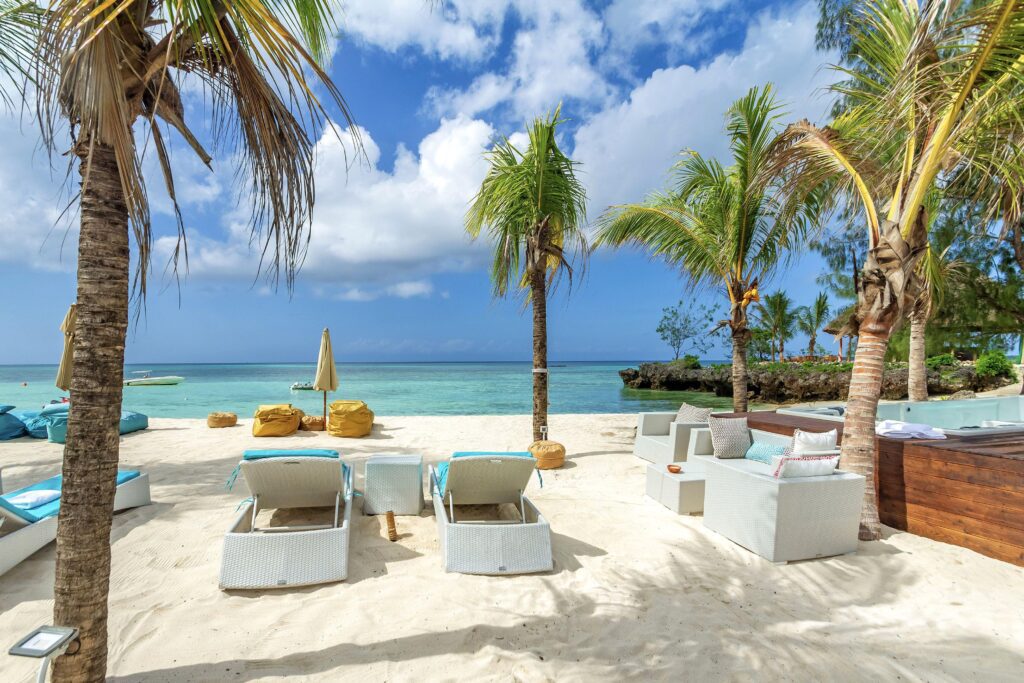
The 10 Best African Safari Countries 2025. Africa, with its diverse landscapes and rich wildlife, continues to be a top destination for safari enthusiasts. In 2025, several countries stand out as must-visit safari destinations, offering an unparalleled opportunity to witness majestic wildlife in their natural habitats. From the iconic savannas to lush rainforests, here are the top 10 safari countries in Africa for 2025. 1. Tanzania: Serengeti Splendor Tanzania boasts the world-renowned Serengeti National Park, synonymous with vast plains, diverse wildlife, and the annual migration. Top 10 Destinations for African Safaris. Witnessing the great herds of wildebeest and zebras is a once-in-a-lifetime experience. Other gems in Tanzania include the Ngorongoro Crater, Selous Game Reserve, and Tarangire National Park, offering a variety of landscapes and wildlife. 2. Kenya: The Maasai Mara Magic Kenya remains a classic safari destination, famed for the spectacular Maasai Mara National Reserve. Best African Safari Countries. Home to the Great Migration, where millions of wildebeest and other herbivores traverse the plains, the Maasai Mara offers a breathtaking spectacle. Visitors can also explore Amboseli National Park, known for its stunning views of Mount Kilimanjaro, and Tsavo National Park for its diverse ecosystems. 3. Botswana: Okavango Delta Oasis Botswana’s Okavango Delta is a UNESCO World Heritage Site, known for its unique inland delta and abundant wildlife. Visitors can explore the delta on traditional mokoro (canoe) safaris, providing an intimate and serene experience. Chobe National Park, with its large elephant population, and the Moremi Game Reserve are also must-visit destinations for wildlife enthusiasts. 4. South Africa: Kruger National Park Marvel South Africa’s Kruger National Park is one of the continent’s oldest and most diverse game reserves. Home to the iconic Big Five – lion, leopard, elephant, buffalo, and rhinoceros – Kruger offers a remarkable safari experience. Beyond Kruger, explore the private reserves in the Greater Kruger area or head to Kgalagadi Transfrontier Park for a unique desert safari. 5. Namibia: Ethereal Deserts and Wildlife Namibia’s unique landscapes make it a standout safari destination. The otherworldly Namib Desert, home to the towering red dunes of Sossusvlei, is a photographer’s dream. Best African Safari Countries. Etosha National Park, with its expansive salt pans and abundant wildlife, offers a different safari experience. Namibia’s commitment to conservation is evident in its communal conservancies, fostering a harmonious relationship between wildlife and local communities. 6. Zambia: Lower Zambezi Wilderness Zambia’s Lower Zambezi National Park, nestled along the Zambezi River, is a pristine wilderness. Canoe safaris along the river provide an intimate encounter with wildlife, including elephants bathing in the river. South Luangwa National Park, known for its walking safaris, offers a close connection to nature and the opportunity to see predators in action. 7. Zimbabwe: Hwange National Park Beauty Zimbabwe’s Hwange National Park is the country’s largest and oldest national park, renowned for its diverse ecosystems and prolific wildlife. The park is home to a vast elephant population, as well as lions, giraffes, and a variety of antelope species. Additionally, Mana Pools National Park, a UNESCO World Heritage Site, is famous for its unique landscapes and opportunities for walking safaris. 8. Uganda: Gorilla Encounters and Beyond While renowned for its mountain gorilla trekking experiences in Bwindi Impenetrable National Park, Uganda offers more than just primates. Queen Elizabeth National Park is a diverse ecosystem with tree-climbing lions, hippos, and a variety of bird species. The Kidepo Valley National Park, with its rugged landscapes, is a hidden gem for those seeking a unique safari adventure. 9. Rwanda: Land of a Thousand Hills and Gorillas Rwanda’s Volcanoes National Park is famous for its mountain gorilla trekking experiences. The lush green hills provide a stunning backdrop to encounters with these endangered primates. Akagera National Park, in the east of the country, offers a more traditional safari experience with a variety of wildlife, including elephants, hippos, and crocodiles. 10. Malawi: The Hidden Gem Malawi may not be as well-known as some of its neighbors, but it’s a hidden gem for safari enthusiasts. Liwonde National Park, situated along the Shire River, is home to a variety of wildlife, including elephants, hippos, and numerous bird species. Majete Wildlife Reserve, known for successful conservation efforts, is another noteworthy destination for an off-the-beaten-path safari experience. FAQs: Best Safari Destinations in Africa Inside info on the top African safari destinations, including Kenya, Tanzania, Botswana, South Africa, Zambia, Zimbabwe, Ethiopia, Gabon and more! When is the best time to go on a safari in Africa? The best time for a safari depends on the specific destination. Generally, dry seasons, when wildlife congregates around water sources, are preferred. In East Africa, from June to September, and in Southern Africa, from May to October, are popular months for safaris. What is the Great Migration, and where can I witness it? The Great Migration is an annual movement of wildebeest and other herbivores in search of greener pastures. It occurs in the Serengeti (Tanzania) and the Maasai Mara (Kenya). The exact timing varies, so it’s advisable to plan your visit during the dry season. Are safaris safe? Safari destinations prioritize visitor safety. Follow guidelines provided by experienced guides and rangers, and respect the wildlife. Be aware of the specific risks associated with each destination and take necessary precautions. What should I pack for a safari? Essentials include lightweight and neutral-colored clothing, a hat, sunscreen, insect repellent, sturdy walking shoes, and binoculars. Check with your tour operator for any specific recommendations based on your destination and time of year. How long should a safari trip be? The ideal duration depends on the destinations you plan to visit and your preferences. A typical safari lasts from a few days to two weeks, allowing time for different ecosystems and wildlife experiences. Conclusion: The Best Places to Visit in Africa Africa’s safari destinations offer a diverse range of ecosystems and wildlife encounters, making it a dream destination for nature enthusiasts. Whether you seek the thrill of witnessing the Great Migration, tracking mountain gorillas, or exploring vast deserts, the continent has something for everyone.
Kilimanjaro Climb Combo, Serengeti Safari, and Zanzibar Packages
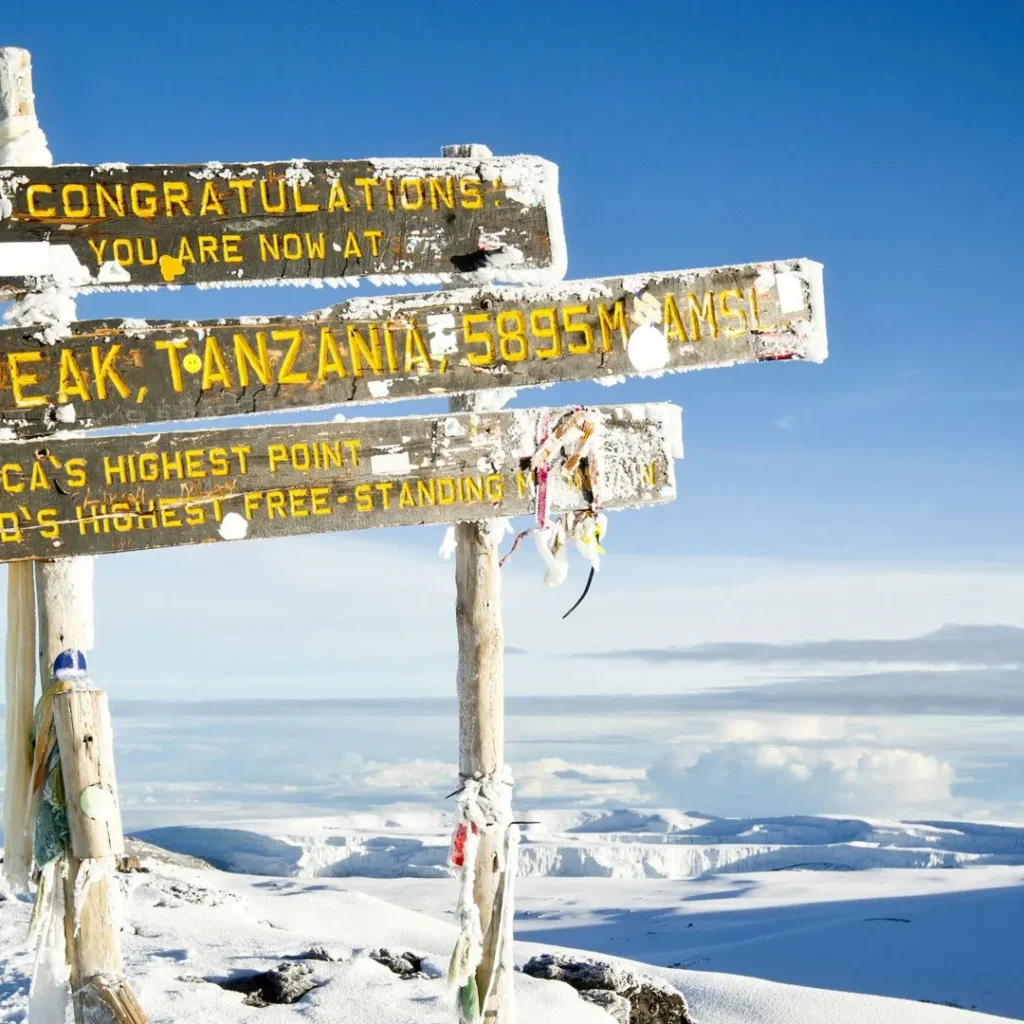
A Kilimanjaro Climb Combo, Serengeti Safari, and Zanzibar Packages itinerary is one of the most powerful Tanzania safari and adventure travel experiences, combining mountain trekking, wildlife exploration, and Indian Ocean beach relaxation. This ultimate Mount Kilimanjaro trekking and safari holiday package blends the famous Machame Route climb, the iconic Serengeti National Park wildlife safari, and the tropical escape of Zanzibar beach holidays. Travelers experience Africa’s highest peak, the Great Migration ecosystem, and white sandy beaches in one seamless journey. Starting from Arusha, the adventure moves through the alpine zones of Kilimanjaro, vast savannahs filled with the Big Five, and ends in Zanzibar’s turquoise waters. This is a highly searched Africa safari combo tour, ideal for luxury travelers, honeymoon packages, and bucket-list explorers seeking a complete Tanzania experience. Day 1: Arrive in Arusha, Tanzania Arriving in Arusha, Tanzania, marks the beginning of your Machame Route Kilimanjaro Climb adventure. Upon arrival at Kilimanjaro International Airport, you will be welcomed and transferred to Arusha city for a briefing and preparation. This vibrant gateway to Mount Kilimanjaro trekking offers stunning views of Mount Meru and the surrounding landscapes. Travelers often relax, check gear and meet their professional mountain guides before the climb. Overnight stay at the Venice Hotel provides comfort, rest, and final preparation for the Kilimanjaro trekking experience. This day is essential for acclimatization, equipment check and understanding the Machame Route Kilimanjaro itinerary. Many climbers also enjoy Arusha cultural experiences, local cuisine and safari planning options before starting their Tanzania Kilimanjaro climbing expedition the next day Day 2: Arusha – Machame Gate Pick up from Arusha hotel, drive you to Machame Gate, to Machame Hut begins your real Mount Kilimanjaro trekking journey through dense rainforest trails. After breakfast, you will drive to Machame Gate for registration and meet your climbing team. The Machame Route Kilimanjaro Climb officially starts as you hike through lush jungle home to unique flora, birds, and wildlife. The trail is steep and muddy, offering a true adventure experience in Tanzania safari landscapes. You will reach Machame Camp for lunch before continuing to the Machame Hut area for overnight rest. Dinner and overnight at Machame Camp allow climbers to recover and prepare for higher altitude trekking. This stage builds endurance, supports acclimatization, and introduces you to the beauty of Kilimanjaro trekking routes and ecosystems. Day 3: Machame Camp to Shira Camp Takes you higher into the alpine moorland zone of Mount Kilimanjaro trekking routes. After breakfast, the trail becomes steeper as you leave the rainforest behind and enter rocky terrain with stunning panoramic views. The Machame Route Kilimanjaro Climb offers incredible scenery of valleys, volcanic formations, and distant peaks. This section is crucial for acclimatization as you gain altitude gradually. You will pass through unique vegetation zones and experience changing weather conditions typical of Kilimanjaro climbing expeditions. Arrival at Shira Camp provides time for rest, meals and altitude adjustment. Dinner and overnight at Shira Camp ensure climbers regain energy while preparing for the next challenging ascent toward Barranco Camp in the coming days of Day 4: Shira Camp to Barranco Camp One of the most scenic and rewarding stages of the Machame Route Kilimanjaro Climb. You traverse the famous Lava Tower for acclimatization before descending into the stunning Barranco Valley. This climb high sleep low strategy is essential for successful Mount Kilimanjaro trekking. The landscape changes dramatically from alpine desert to lush valleys filled with giant groundsels and lobelias. Climbers enjoy breathtaking views of Kibo Peak and the surrounding volcanic formations. The trail can be challenging due to altitude, but experienced guides ensure safety and support. Arrival at Barranco Camp offers rest, meals and preparation for the famous Barranco Wall climb. Dinner and overnight at Barranco Camp strengthen climbers for the next demanding Kilimanjaro journey. Day 5: Barranco Camp – Barafu Camp The step from Barranco Camp to Barafu Camp takes climbers through the challenging Karanga Valley and alpine desert zones on the Machame Route Kilimanjaro Climb. This stage is crucial for final acclimatization before the summit attempt. The trail involves steep ascents and descents, testing endurance and mental strength during your Mount Kilimanjaro trekking journey. As you move closer to Barafu Camp, the landscape becomes harsh, cold, and rocky, reflecting high-altitude Kilimanjaro conditions. Guides emphasize hydration pacing and preparation for summit night. Arrival at Barafu Camp allows early dinner, rest, and mental readiness for the midnight ascent to Uhuru Peak. This stage is considered one of the most important parts of Kilimanjaro climbing expeditions due to its altitude and summit preparation. Day 6: Barafu Camp to Summit down Mweka Camp The most challenging and rewarding day of the Machame Route Kilimanjaro Climb. Around midnight, climbers begin the final ascent to Uhuru Peak, the highest point in Africa. This demanding Mount Kilimanjaro trekking stage requires determination, stamina, and mental focus as you climb steep scree slopes under cold, dark conditions. Reaching the summit at sunrise offers unforgettable panoramic views and a powerful sense of achievement. After celebrating at Uhuru Peak you descend back to Barafu Camp for short rest before continuing down to Mweka Camp. The descent is long but rewarding passing through different ecological zones. Dinner and overnight at Mweka Camp provide recovery after the successful Kilimanjaro summit experience journey. Day 7: MwekaMweka Camp Gate Out Arusha The final stage of your Machame Route Kilimanjaro Climb adventure. After breakfast, you descend through lush rainforest trails back to Mweka Gate, where successful climbers receive their official Kilimanjaro summit certificates. This scenic descent offers time to reflect on your Mount Kilimanjaro trekking achievement and enjoy the natural beauty of Tanzania’s safari landscapes. From Mweka Gate, you will be transferred back to Arusha city for relaxation and celebration. Dinner and an overnight stay at the Venice Hotel provide comfort after the challenging expedition. This day concludes your unforgettable Kilimanjaro trekking experience, combining adventure, endurance, and achievement. Many climbers celebrate their success and begin planning future Tanzania safari or Kilimanjaro climbing adventures. Day 8: Arusha – Lake Manyara National Park This Tanzania
Ways to Boost Your Hiking Endurance for Climbing Kilimanjaro
Climbing Mount Kilimanjaro demands more than excitement—it requires strong hiking endurance, physical fitness, and smart preparation. Whether you choose the Machame Route, Lemosho Route, or Marangu Route, building stamina is key to reaching the summit successfully. Training for a Kilimanjaro climb involves improving cardiovascular endurance, leg strength, and mental resilience. By focusing on structured workouts and real hiking practice, you can reduce fatigue and improve your chances of success. From altitude training to strength conditioning, every step counts toward your summit goal. This guide highlights proven ways to boost endurance, helping you prepare for one of Africa’s most iconic adventures. With consistency and the right techniques, your Kilimanjaro trekking experience can be safer, stronger, and more rewarding. 1. Consistent Long-Distance Hiking Regular long-distance hiking is one of the most effective ways to build Kilimanjaro endurance training. Aim for weekly hikes that gradually increase in distance and difficulty. This improves your stamina for hiking, strengthens muscles, and conditions your body for multi-day treks. Choose varied terrain—hills, trails, and uneven paths—to simulate real Kilimanjaro trekking conditions. Consistency is crucial; even shorter hikes done frequently can significantly improve your cardiovascular fitness. Wearing the same boots you’ll use during your climb helps prevent blisters and discomfort. Over time, your body adapts to sustained effort, making long summit days feel manageable. Incorporating endurance hiking workouts into your routine ensures you’re physically prepared for the demands of Africa’s highest mountain. 2. Weighted Pack Training Training with a weighted backpack is essential for realistic Kilimanjaro preparation. Carrying 5–10 kg during hikes mimics actual trekking conditions, helping build strength and endurance simultaneously. This type of pack training for hiking strengthens your back, shoulders, and core while improving balance. Gradually increase the weight to avoid injury and enhance your trekking stamina safely. Practicing with gear also helps you adjust straps and find comfortable positioning. This reduces fatigue during long trekking days on Mount Kilimanjaro. Consistent backpack training prepares your body for sustained effort, making your climb smoother and more efficient. It’s a simple yet powerful method to improve your overall hiking performance. 3. Stair Climbing and Step-Ups Stair climbing workouts are excellent for building leg endurance for hiking. Since Kilimanjaro trekking involves continuous uphill walking, stairs simulate this challenge effectively. Incorporate step-ups using a bench or box to target your quads, hamstrings, and glutes. These strength exercises for hikers improve power and stamina, essential for summit success. Adding a weighted pack increases intensity and enhances your climbing fitness. Regular stair sessions boost your cardiovascular endurance while strengthening key muscle groups. This combination helps reduce fatigue during steep ascents on Mount Kilimanjaro. Consistent training ensures your legs are prepared for long trekking days, making your journey to the summit more achievable. 4. High Intensity Interval Training (HIIT) HIIT workouts are highly effective for improving cardiovascular fitness and endurance training for hiking. These short, intense bursts of exercise followed by recovery periods boost stamina and efficiency. Activities like sprinting, cycling, or bodyweight circuits enhance your oxygen utilization, crucial for high-altitude trekking. Incorporating HIIT training for climbers helps your body adapt to physical stress, making long hiking days less exhausting. Just 20–30 minutes per session can significantly improve performance. This method also increases calorie burn and overall fitness levels. Including HIIT in your routine ensures you’re well-prepared for the demanding conditions of Mount Kilimanjaro climbing. 5. Leg Strengthening Exercises Strong legs are vital for Kilimanjaro hiking success. Focus on leg workouts for hikers, such as squats, lunges, and deadlifts, to build power and endurance. These exercises target major muscle groups used during trekking, improving stability and reducing injury risk. Incorporating resistance training enhances your mountain climbing fitness and supports long hiking days. Stronger legs help you manage steep ascents and descents more efficiently. Adding variations like single-leg exercises improves balance and coordination. Consistent strength training for trekking ensures your body can handle the physical demands of Mount Kilimanjaro. This foundation is key to a successful and enjoyable climb. 6. Practice Hiking at Altitude One of the most effective ways to boost your hiking endurance for Kilimanjaro is to practice hiking at altitude. Training on high-altitude trails helps your body adapt to reduced oxygen levels, improving aerobic capacity and stamina. Gradually increasing elevation gain and hiking steep terrains builds muscular endurance and conditions your lungs for mountain trekking. Include multi-day hikes with a loaded backpack to simulate Kilimanjaro climbing conditions. Tracking your heart rate, pace, and altitude acclimatization ensures safe and effective training. Combining altitude hiking with strength exercises enhances overall hiking performance. Remember, practicing on trails similar in terrain and elevation to Mount Kilimanjaro gives you the confidence and physical readiness required for a successful summit attempt. 7. Incorporate Aerobic Activities Incorporating aerobic activities into your training is essential for Kilimanjaro hiking preparation. Running, cycling, swimming, and stair climbing improve cardiovascular endurance, enabling you to sustain long hours of trekking. Focus on interval training and steady-state cardio to boost your lung capacity and heart efficiency. These activities also help in weight management, reducing the energy cost of climbing Mount Kilimanjaro. Consistent cardio training strengthens your musculoskeletal system, allowing your legs and core to endure long uphill hikes. Pairing aerobic exercises with hill or stair simulations closely mimics the altitude hiking environment, improving your overall hiking stamina, reducing fatigue, and increasing your chances of a successful Kilimanjaro summit. 8. Use Trekking Poles Using trekking poles is a simple yet effective strategy to enhance your hiking endurance for Mount Kilimanjaro climbs. Poles distribute weight evenly, reducing stress on knees, hips, and ankles, especially on steep ascents and descents. They improve balance and stability on rocky or uneven trails, lowering the risk of injuries. Training with poles during practice hikes allows your upper body to engage, boosting overall endurance and strength. Proper pole technique can conserve energy and maintain a steady pace, crucial for multi-day Kilimanjaro treks. Incorporating pole-assisted hikes into your pre-summit training increases confidence on challenging terrain and enhances your climbing efficiency. 9. Flexibility and Mobility Training Flexibility and mobility training are