Best Time to Visit Lake Manyara National Park (Month by Month Guide) is essential for planning a Tanzania safari. January offers green scenery and birdwatching, while February is ideal for flamingos. March to May is the rainy season with lush landscapes and fewer crowds. June marks the start of the dry season, an excellent time for wildlife viewing. July and August are peak safari months with animals gathering near water. September continues prime game viewing with clear skies. October remains dry with strong wildlife sightings. November brings short rains and migratory birds. December is festive, green, and scenic for photography. Overall, the best time to visit Lake Manyara National Park is June to October for classic Tanzania safari experiences and abundant wildlife, a perfect safari destination year-round for travelers seeking wildlife and nature experiences.
🌍 Best Time to Visit Lake Manyara National Park (Month by Month)
| Month / Period | Weather Condition | Safari Experience | Wildlife & Highlights |
|---|---|---|---|
| January | Warm, slightly wet | Excellent | Elephants, lions, flamingos, lush scenery |
| February | Warm, green | Excellent | Birdlife peak, predators active |
| March | Rain begins | Good–Moderate | Fewer tourists, green landscapes |
| April | Heavy rains | Low | Difficult roads, best birding |
| May | Heavy rains | Low | Lush vegetation, fewer animals visible |
| June | Dry, cool | Excellent | Clear views, animals near water |
| July | Dry, sunny | Excellent | Peak game viewing season |
| August | Dry, peak season | Excellent | Best wildlife concentration |
| September | Dry, hot | Excellent | Lions, elephants easily spotted |
| October | Very dry | Excellent | Wildlife gathers at water sources |
| November | Short rains start | Good | Green scenery, migratory birds |
| December | Warm, rainy mix | Very Good | Festive safari season, active wildlife |
January and February
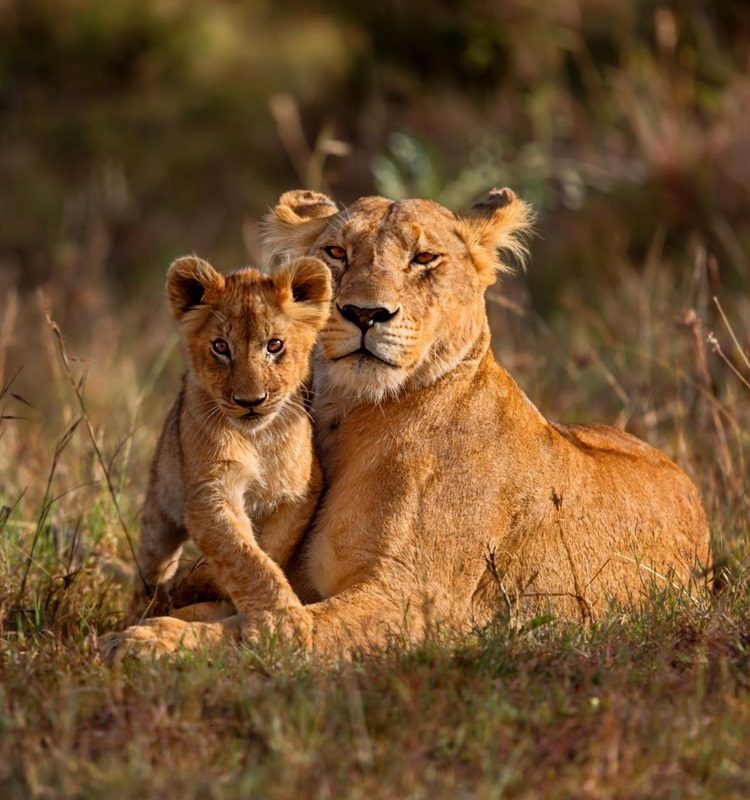
January and February are among the best times to visit Lake Manyara National Park in Tanzania, offering excellent wildlife viewing, green scenery, and warm weather. This period follows the short rains, making the park vibrant and full of life. It is one of the best safari seasons for spotting elephants, tree climbing lions, flamingos, giraffes, and hippos around the alkaline lake. Birdwatching is also at its peak due to migratory species arriving. The roads are accessible, and game drives are rewarding with visibility. Visitors enjoy fewer crowds compared to peak dry season safaris in northern Tanzania. Accommodation prices remain moderate, making ideal for budget and luxury travelers seeking a balanced safari experience. Overall, January and February deliver rich biodiversity, scenic landscapes, and unforgettable wildlife encounters for safari lovers exploring Tanzania’s northern circuit destinations.
March to May
March to May is the long rainy season at Lake Manyara National Park, bringing heavy rainfall, vegetation, and dramatic landscapes ideal for photography and birdwatching. Wildlife viewing becomes more challenging due to dense grass and muddy roads, but elephants, hippos, and birds remain visible around water sources. This period is considered low season, meaning fewer tourists, lower safari prices, and peaceful game drive experiences. However, some lodges may have limited access, and certain park areas can become difficult to reach after heavy rains. Despite the weather, this season offers excellent birding opportunities, with migratory species and breeding activity at its peak. Travelers seeking budget safaris in Tanzania often prefer this time due to discounted accommodation and fewer crowds. Overall, green scenery defines the park during rainy months in Tanzania.
November and December
November and December mark the short rains season at Lake Manyara National Park, offering a refreshing green landscape and excellent safari conditions. Wildlife is highly active during this time, with elephants, giraffes, zebras, and tree climbing lions frequently spotted across the park. This period is a shoulder season, meaning fewer crowds and more affordable Tanzania safari packages for travelers. Birdwatching remains excellent as migratory birds return and water levels attract diverse species around the lake. Road conditions are good, and game drives provide rewarding sightings of wildlife near forest and grassland areas. Accommodation availability is good, with many lodges offering seasonal discounts during this transitional safari period. Overall, November and December provide a perfect balance of green scenery, wildlife activity, and affordable safari experiences in Tanzania’s national parks today.
June to October
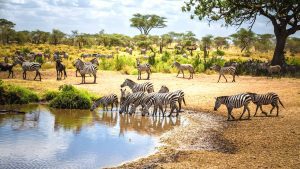
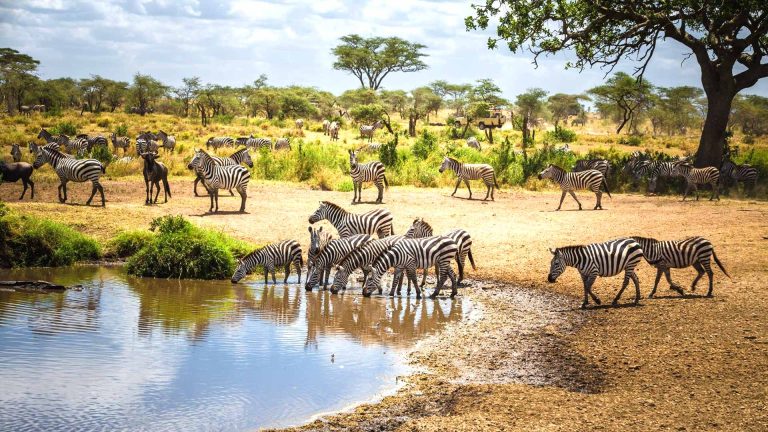
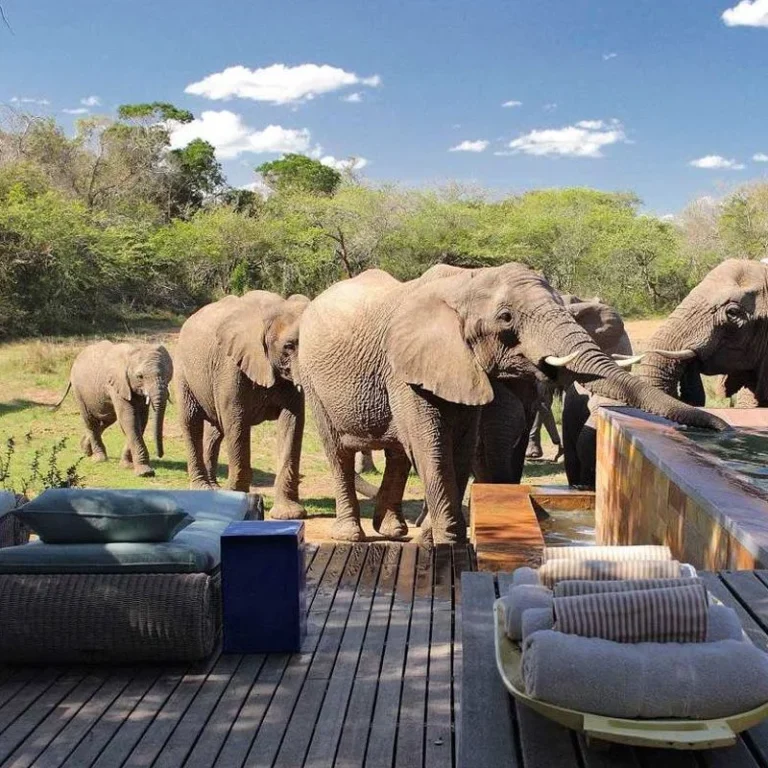
June to October is the peak dry season at Lake Manyara National Park, widely regarded as the best time for wildlife viewing in Tanzania. During this period, animals gather around permanent water sources, making it easier to spot elephants, lions, giraffes, and buffalo. The weather is dry and sunny, with minimal rainfall, clear skies, and excellent road conditions for game drives. This is also the time for the Great Migration viewing in nearby Serengeti regions, attracting many safari travelers. Accommodation prices are higher during this peak safari season, and early booking is highly recommended for visitors. Despite higher costs, this season guarantees the best wildlife encounters and iconic Tanzania safari experiences. Overall, June to October remains the most popular safari period for unforgettable game drives and wildlife photography in Tanzania.
Worst Weather
Lake Manyara National Park experiences its worst weather conditions during the peak rainy months, especially March to May, when heavy downpours, humidity, and muddy terrain dominate the landscape. Flooded roads can make game drives difficult, and some areas may become temporarily inaccessible. Visibility for wildlife viewing is often reduced due to thick vegetation growth and continuous rainfall. However, this season also transforms the park into a lush green paradise, attracting migratory birds and creating stunning photographic opportunities. Despite the challenges, wildlife remains present, particularly around water sources and forested zones. Travelers should prepare for unpredictable weather, slippery roads, and occasional safari delays. Waterproof gear and flexible itineraries are essential. Although not ideal for traditional safaris, the worst weather period still offers unique natural beauty and fewer tourist crowds in Tanzania safari destination parks.
Low Season
Low season at Lake Manyara National Park typically occurs during the long rainy months from March to May, offering budget-friendly safari experiences and fewer tourists. During this period, many lodges and camps offer discounted rates, making it ideal for travelers seeking affordable Tanzania safari packages. Although rainfall is frequent, the park becomes incredibly green and scenic, with excellent opportunities for birdwatching and photography. Wildlife is still visible, especially around Lake Manyara’s water sources, forest edges, and open grasslands. Road conditions may be slippery, but guided safaris continue to operate safely with experienced drivers. Bird migration peaks during this season, making it one of the best times for bird lovers. Overall, the low season offers affordable Tanzania safaris, lush scenery, and peaceful wildlife encounters for travelers seeking fewer crowds in Tanzania parks today.
Final Thought
Lake Manyara National Park remains one of Tanzania’s most rewarding safari destinations, offering diverse wildlife experiences throughout the year. The best time to visit depends on traveler preferences, whether seeking peak game viewing during the dry season or lush green scenery during the rainy months. From January to February, visitors enjoy vibrant landscapes and excellent wildlife sightings, while March to May brings low-season affordability and birdwatching opportunities. June to October delivers the ultimate safari experience with dry weather and concentrated wildlife around water sources. November and December provide a balance of green scenery and active wildlife. Each season offers unique advantages, making Lake Manyara a year-round safari destination. Plan your visit carefully for unforgettable experiences, whether you are a first-time traveler or a seasoned safari enthusiast exploring Tanzania’s northern circuit parks.