The Kilimanjaro Region in Tanzania is one of Africa’s most iconic travel destinations, blending breathtaking landscapes, rich culture, and world-class adventure. Dominated by the legendary Mount Kilimanjaro, this region offers far more than trekking Africa’s tallest peak. From lush coffee farms and hidden waterfalls to vibrant Chagga villages and wildlife-rich national parks, Kilimanjaro tourism delivers unforgettable experiences for every traveler. Whether you’re planning a luxury safari, budget adventure, honeymoon escape, or solo trip, the region is packed with top-rated attractions and activities. With excellent accessibility from Moshi and Arusha, diverse climates, and year-round travel opportunities, Kilimanjaro stands out as a must-visit destination in East Africa. This guide explores the best things to do in the Kilimanjaro Region while helping you plan the ultimate Tanzania adventure.
1. Climb Mount Kilimanjaro
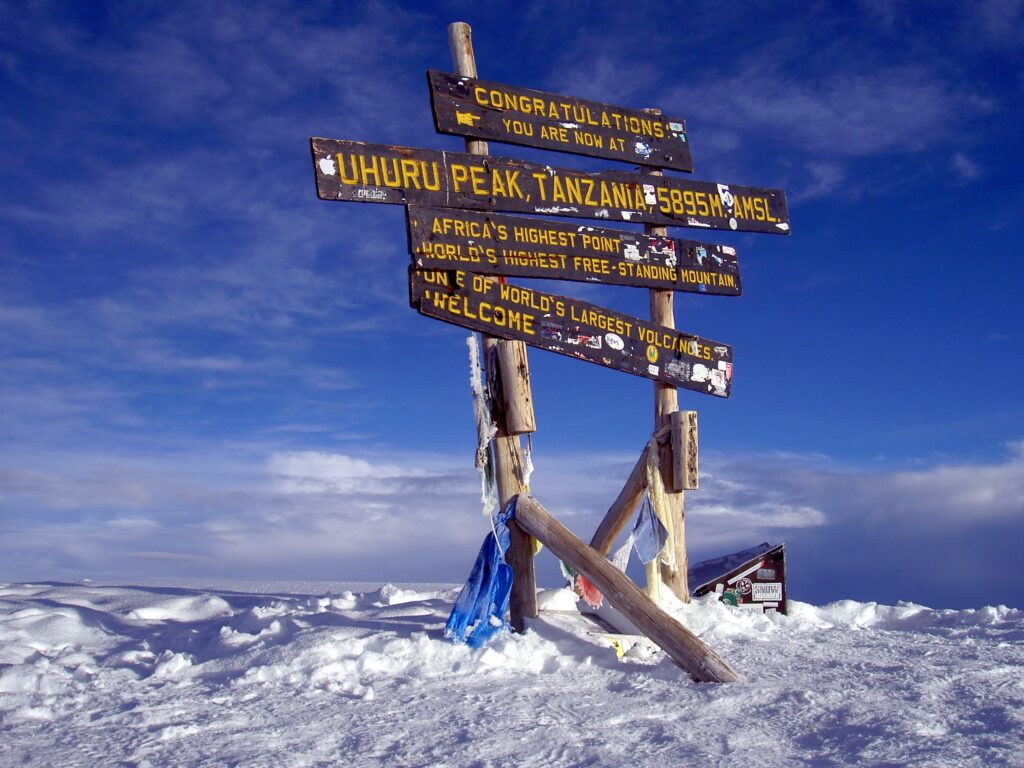
Climbing Mount Kilimanjaro is the ultimate bucket-list adventure and one of the best things to do in Tanzania. As Africa’s highest peak at 5,895 meters, it attracts thousands of trekkers seeking the challenge of reaching Uhuru Peak. Popular Kilimanjaro routes such as Machame, Marangu, Lemosho, and Rongai offer varying difficulty levels, scenic beauty, and success rates. This once-in-a-lifetime trek takes you through diverse ecosystems, from rainforest to alpine desert and icy summit glaciers. Guided by experienced local porters and guides, climbers enjoy a safe and well-supported journey. Whether you choose a luxury Kilimanjaro climb or a budget trekking package, the experience promises breathtaking views and personal achievement. It’s a must-do adventure for hikers, thrill-seekers, and anyone seeking the ultimate African safari and trekking experience.
2. Explore Kilimanjaro National Park
A visit to Kilimanjaro National Park is essential for nature lovers and adventure travelers. This UNESCO World Heritage Site protects the slopes of Mount Kilimanjaro and offers diverse habitats, from dense montane forests to alpine landscapes. Visitors can enjoy day hikes, birdwatching, and guided nature walks without summiting the mountain. The park is home to wildlife such as colobus monkeys, elephants, and various bird species, making it ideal for eco-tourism and photography. Kilimanjaro National Park is also a starting point for trekking expeditions, with well-maintained routes and scenic viewpoints. Whether you’re planning a short excursion or a full climb, the park provides an immersive experience in Tanzania’s natural beauty. It’s one of the top attractions in the Kilimanjaro Region for travelers seeking both relaxation and adventure.
3. Visit Materuni Waterfalls
Nestled near Moshi, Materuni Waterfalls is one of the most beautiful natural attractions in the Kilimanjaro Region. Surrounded by lush greenery and banana farms, this hidden gem offers a refreshing escape from the heat. The hike to the waterfall takes you through scenic Chagga villages, providing insight into local culture and daily life. Once you arrive, you’ll be rewarded with a stunning cascade perfect for swimming and photography. Many tours combine a visit to Materuni with a traditional coffee-making experience, where you can learn how coffee is grown, roasted, and brewed. This eco-friendly activity is ideal for families, couples, and solo travelers looking for authentic experiences. Visiting Materuni Waterfalls is a must-do for those seeking relaxation, cultural immersion, and natural beauty in Tanzania.
4. Discover Chagga Culture
The Kilimanjaro Region is home to the Chagga people, one of Tanzania’s most fascinating ethnic groups. Visiting a local village offers a unique cultural tourism experience where you can learn about traditional farming, food preparation, and community life. Many tours include visits to underground caves historically used during tribal conflicts, as well as banana plantations and coffee farms. Engaging with Chagga traditions provides deeper insight into the region’s heritage and way of life. Cultural tours are often guided by local experts who share stories, music, and dance. This immersive experience is perfect for travelers seeking meaningful connections and authentic African culture. Exploring Chagga culture not only enriches your journey but also supports local communities through sustainable tourism initiatives in the Kilimanjaro Region.
5. Experience Coffee Tours in Moshi
Moshi is renowned for its high-quality Arabica coffee, grown on the fertile slopes of Mount Kilimanjaro. A coffee tour in this region is a must for coffee lovers and cultural explorers. Visitors can tour local farms, learn about organic coffee cultivation, and participate in traditional roasting and brewing processes. These tours often take place in scenic գյուղ settings, offering stunning views of the mountain and surrounding countryside. The experience is interactive, allowing you to grind beans by hand and enjoy freshly brewed coffee. Coffee tourism in Kilimanjaro supports local farmers and promotes sustainable agriculture. Whether you’re a casual drinker or a coffee enthusiast, this activity provides a deeper appreciation for Tanzania’s coffee industry. It’s one of the most relaxing and educational things to do in the Kilimanjaro Region.
6. Visit Kikuletwa Hot Springs
Also known as Chemka Hot Springs, Kikuletwa Hot Springs is a hidden oasis in the Kilimanjaro Region. Surrounded by fig trees and crystal-clear turquoise اthis spring offers a perfect place to relax after a safari or trek. The warm is ideal for swimming, and the rope swings add a fun, adventurous element. Located between Moshi and Arusha, it’s easily accessible for day trips. Visitors can enjoy picnics, sunbathing, and nature photography in this tranquil setting. Kikuletwa Hot Springs is especially popular among couples, families, and backpackers looking for a peaceful retreat. This paradise is one of the best-kept secrets in Tanzania and a must-visit destination for anyone exploring the Kilimanjaro Region.
7. Take a Day Trip to Arusha National Park
A short journey from Kilimanjaro takes you to Arusha National Park, a destination for a day safari. Known for its diverse landscapes, the park features Mount Meru, lush forests, and the scenic Momella Lakes. Visitors can enjoy game drives, walking safaris, and canoeing experiences. Wildlife sightings include giraffes, zebras, buffaloes, and flamingos, making it perfect for photography enthusiasts. Unlike larger parks, Arusha National Park offers a less crowded safari experience. It’s ideal for travelers with limited time who still want to enjoy Tanzania’s wildlife. Combining this trip with Kilimanjaro activities creates a well-rounded travel itinerary. A visit here adds variety to your adventure, blending mountain trekking with classic African safari experiences.
8. Explore Lake Chala
Located on the border between Tanzania and Kenya, Lake Chala is a stunning crater lake fed by underground springs from Mount Kilimanjaro. The lake’s deep blue waters contrast beautifully with the surrounding cliffs and landscapes. Visitors can hike around the rim, kayak on the lake, or simply relax and enjoy the. Lake Chala is a perfect destination for nature lovers and photographers seeking off-the-beaten-path experiences. It is rich in biodiversity, with opportunities for birdwatching and wildlife spotting. Its remote location ensures a peaceful escape from busy турист routes. Exploring Lake Chala offers a unique perspective of the Kilimanjaro Region, showcasing its hidden beauty beyond the mountain.
9. Visit Marangu Village
At the foothills of Mount Kilimanjaro lies Marangu Village, a charming destination known for its cultural heritage and scenic beauty. Often referred to as the gateway to the Marangu Route, the village offers more than just trekking access. Visitors can explore traditional Chagga homes, local markets, and historical sites. The village is also home to beautiful waterfalls and lush landscapes, perfect for guided walks. Cultural tours provide insight into local traditions, including banana beer production and farming practices. Marangu is an excellent destination for travelers seeking a blend of relaxation and cultural immersion. Its proximity to Kilimanjaro makes it an easy addition to any itinerary. Visiting Marangu Village is a rewarding experience that highlights the human side of the Kilimanjaro Region.
10. Go Wildlife Spotting in Mkomazi National Park
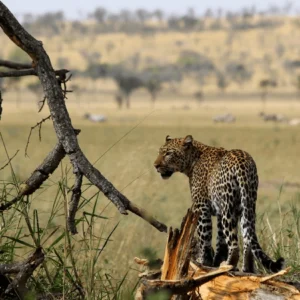
For a unique safari experience, visit Mkomazi National Park, a lesser-known gem near Kilimanjaro. This park is home to rare species such as the black rhino and African wild dog, making it a destination for conservation tourism. The landscape features open savannah, acacia woodlands, and stunning views of Mount Kilimanjaro. Game drives offer the opportunity to see elephants, giraffes, zebras, and various bird species. Mkomazi is less crowded than other parks, providing a more intimate wildlife experience. It’s ideal for travelers looking to explore beyond the popular safari circuits. Visiting Mkomazi adds diversity to your Kilimanjaro adventure and supports wildlife conservation efforts in Tanzania.
11. Enjoy Scenic Views of Mount Meru
While Kilimanjaro takes the spotlight, Mount Meru offers equally breathtaking scenery and adventure opportunities. Located within Arusha National Park, Mount Meru is Tanzania’s second-highest peak and a popular trekking destination. The climb is more crowded than Kilimanjaro and provides stunning views of the surrounding landscapes. Trekkers can spot wildlife along the الطريق, including buffaloes and giraffes. Even if you don’t climb, the mountain serves as a picturesque backdrop for photography and relaxation. Mount Meru is perfect for acclimatization before attempting Kilimanjaro or as a standalone adventure. Its natural beauty and make it one of the top attractions in northern Tanzania.
12. Experience Local Markets and Town Life in Moshi
The town of Moshi is the gateway to Mount Kilimanjaro and a vibrant hub of culture and commerce. Exploring local markets offers a glimpse into everyday Tanzanian life, where you can shop for fresh produce, handmade crafts, and souvenirs. Moshi’s cafes and restaurants serve delicious local and international cuisine, making it a great place to relax before or after your adventures. The town also hosts cultural events and music performances, adding to its liveliness. Walking through Moshi allows you to interact with friendly locals and experience authentic Tanzanian hospitality. It’s an essential stop for travelers seeking both convenience and культур immersion in the Kilimanjaro Region.
13. Combine Kilimanjaro with a Tanzania Safari
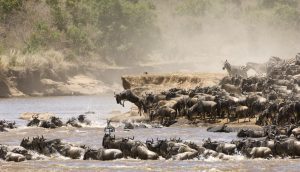
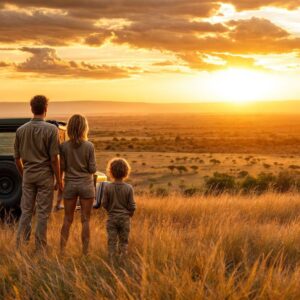
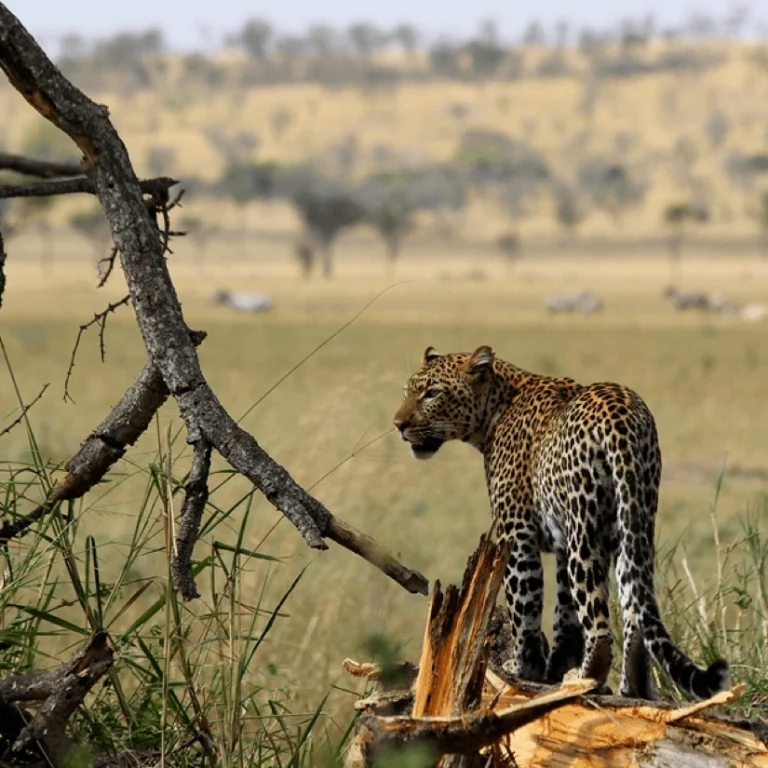
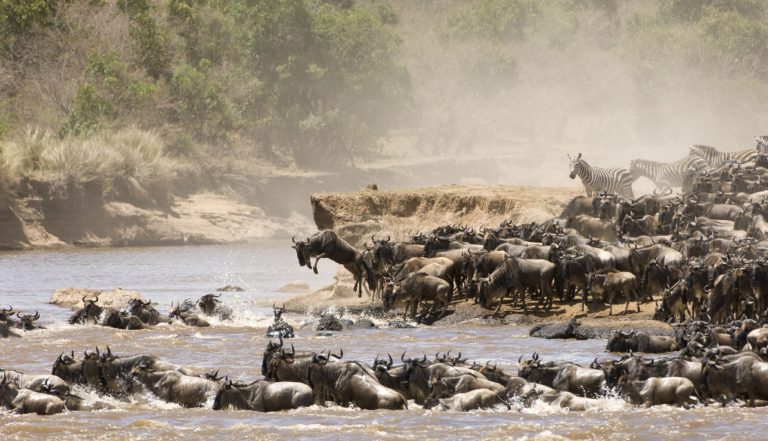
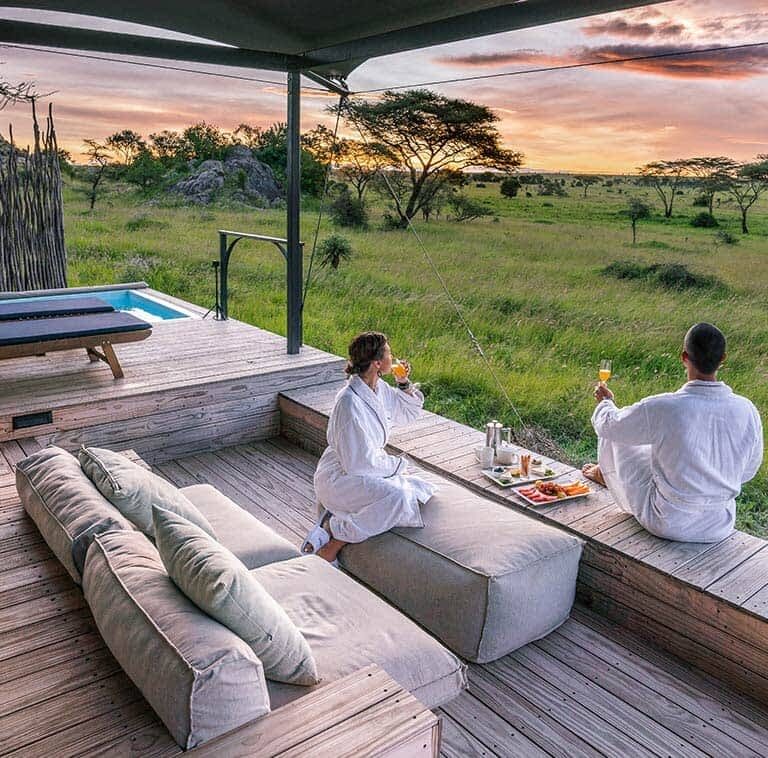
One of the best ways to maximize your time is by combining a Kilimanjaro trek with a classic Tanzania safari. Nearby destinations like Serengeti National Park and Ngorongoro Crater offer world-class wildlife experiences. The Great Migration, spot the Big Five, and enjoy luxury safari lodges or budget camping options. This combination provides the ultimate African adventure, blending पर्वत climbing with wildlife exploration. Many tour operators offer customized packages, including fly-in safaris and tours. Whether you’re traveling as a couple, family, or solo adventurer, this تجربة ensures unforgettable memories. Combining Kilimanjaro with a safari is a top travel trend and one of the most rewarding ways to explore Tanzania.
Final Thought
The Kilimanjaro Region is far more than just a destination—it’s a diverse travel filled with adventure, culture, and beauty. From conquering Mount Kilimanjaro to relaxing at hot springs, exploring villages, and embarking on сафари adventures, the region offers something for every traveler. Its accessibility, attractions, and year-round appeal make it one of the best турист destinations in Africa. Whether you’re seeking luxury packages, budget travel options, or authentic cultural experiences, Kilimanjaro delivers beyond expectations. Plan your journey wisely, choose trusted tour operators, and immerse yourself in the magic of Tanzania. With endless opportunities for exploration, the Kilimanjaro Region truly stands as a bucket-list destination worth discovering.
What are the best things to do in the Kilimanjaro Region
The Kilimanjaro Region offers a wide range of unforgettable experiences for all types of travelers. The top activity is climbing Mount Kilimanjaro, Africa’s tallest peak and a world-famous trekking destination. Beyond hiking, visitors can explore Kilimanjaro National Park for wildlife and scenic landscapes. Cultural tours in Chagga villages, coffee farm visits in Moshi, and trips to waterfalls like Materuni are also popular. For relaxation, travelers can swim in Kikuletwa Hot Springs or visit Lake Chala. Combining these activities with nearby safari destinations creates a diverse and rewarding Tanzania travel itinerary full of adventure, culture, and nature.
When is the best time to visit the Kilimanjaro Region
The best time to visit the Kilimanjaro Region is during the dry seasons, from June to October and January to March. These months offer clear skies, excellent visibility, and ideal conditions for climbing Mount Kilimanjaro. Wildlife viewing in nearby parks like Arusha National Park is also أفضل during this period. The wet seasons, April to May and November, bring lush scenery and fewer crowds, making it attractive for budget travelers. However, trails can be slippery, and weather conditions less predictable. Overall, timing depends on your goals, whether trekking, sightseeing, or combining your trip with a Tanzania safari adventure.
How difficult is climbing Mount Kilimanjaro
Climbing Mount Kilimanjaro is considered a challenging but achievable trek for most people with good preparation. It is a non-technical climb, meaning no advanced mountaineering skills are required, but altitude sickness is the biggest challenge. Routes like Marangu are easier, while Machame and Lemosho offer better acclimatization and higher success rates. Trekkers should train physically, pack properly, and choose experienced guides. The journey takes 5–9 days depending on the route, allowing time to adjust to ارتفاع. With proper planning and determination, many climbers successfully reach Uhuru Peak and enjoy one of the most rewarding adventures in Africa.
Do I need a guide to explore Kilimanjaro
Yes, hiring a licensed guide is mandatory for climbing Mount Kilimanjaro. Tanzania National Park regulations require all trekkers to be accompanied by registered guides and porters for safety and environmental protection. Guides provide navigation, monitor health conditions, and ensure a safe ascent. For other activities in the Kilimanjaro Region, such as visiting waterfalls, coffee farms, or cultural tours, guides are not always required but highly recommended. They enhance the experience by sharing local knowledge and ensuring smooth logistics. Choosing a reputable tour operator ensures a, organized, and enriching travel experience throughout the region.
What should I pack for a Kilimanjaro trip
Packing for the Kilimanjaro Region depends on your activities, especially if you plan to climb Mount Kilimanjaro. Essential items include layered clothing for varying climates, sturdy hiking boots, a warm sleeping bag, and a waterproof jacket. Accessories like gloves, hats, and sunglasses are important for summit conditions. For day trips, lighter clothing, sunscreen, and comfortable shoes are sufficient. Don’t forget personalدوية, reusable water bottles, and a camera for capturing stunning landscapes. Many tour operators provide equipment rental, reducing the need to carry everything. Proper packing ensures comfort, safety, and an enjoyable experience in the Kilimanjaro Region.
Are there safari opportunities near Kilimanjaro
Yes, the Kilimanjaro Region is perfectly located near some of Tanzania’s best safari destinations. Travelers can easily visit Serengeti National Park and Ngorongoro Crater for world-class wildlife viewing. Closer options include Arusha National Park, which offers day trips with diverse landscapes and animals. These safaris provide opportunities to see the Big Five, the Great Migration, and stunning African scenery. Combining a Kilimanjaro climb with a safari is a popular choice for travelers seeking a complete adventure. This mix of trekking and wildlife exploration creates a truly unforgettable Tanzania experience.
Is the Kilimanjaro Region suitable for families
Yes, the Kilimanjaro Region is a great destination for families, offering activities suitable for all ages. While climbing Mount Kilimanjaro may not be ideal for young children, there are many family-friendly alternatives. Visits to Kikuletwa Hot Springs, Materuni Waterfalls, and cultural tours provide fun and educational experiences. Short nature walks in Kilimanjaro National Park are also enjoyable for families. Additionally, nearby safari parks offer exciting wildlife encounters. With proper planning, families can enjoy a safe, engaging, and memorable trip filled with adventure and cultural discovery.
How do I get to the Kilimanjaro Region
The Kilimanjaro Region is easily accessible by air and road. The main gateway is Kilimanjaro International Airport, located between Arusha and Moshi. It receives international and domestic flights, making travel convenient. From the airport, visitors can reach Moshi or Arusha by taxi or shuttle. Alternatively, travelers can fly into Dar es Salaam and connect via domestic flights or road السفر. Well-maintained roads also allow for scenic drives. The region’s accessibility makes it a popular starting point for climbing Mount Kilimanjaro and exploring northern Tanzania’s attractions.
How much does a Kilimanjaro trip cost
The cost of a Kilimanjaro trip varies depending on the type of experience you choose. Climbing Mount Kilimanjaro typically ranges from budget to luxury packages, with prices covering guides, park fees, meals, and accommodation. Budget climbs may start from around $1,850, while luxury expeditions can exceed $5,000. Additional activities like visiting the Materuni Waterfalls or hot springs are relatively affordable. Combining the trip with a safari increases overall costs. Choosing a reputable operator ensures value for money, safety, and quality service throughout your Kilimanjaro adventure.
What makes the Kilimanjaro Region unique
The Kilimanjaro Region stands out for its incredible diversity of experiences within a single destination. It is home to Mount Kilimanjaro, the tallest mountain in Africa, as well as lush forests, waterfalls, and. Visitors can enjoy trekking, cultural tours, coffee experiences, and nearby adventures. The region’s blend of beauty and cultural richness makes it one of the most unique travel destinations in Africa. Its accessibility, welcoming communities, and wide range of activities ensure that every traveler finds something memorable. This combination of adventure and authenticity defines the Kilimanjaro experience.