The entrance fees for Ngorongoro Crater are one of the most important factors to consider when planning a Tanzania safari. As part of the larger Ngorongoro Conservation Area, this UNESCO World Heritage Site offers unmatched wildlife viewing, including the Big Five, breathtaking landscapes, and rich Maasai culture. Understanding the Ngorongoro Crater entrance fees helps travelers budget accurately for their safari, whether they choose luxury, mid-range, or budget options. Fees vary depending on residency status, age category, and vehicle type, and they are typically charged per person per day. In this detailed guide, we break down all Ngorongoro Crater fees, including conservation fees, crater service fees, vehicle fees, and additional costs. This ensures you plan your Tanzania safari confidently while maximizing value and experience.
Ngorongoro Crater Conservation Area Fees
The Ngorongoro Conservation Area entrance fee is the primary cost for accessing the region. As of recent updates, international visitors pay approximately $70–$82 per adult per day, while children aged 5–15 receive discounted rates. East African residents and Tanzanian citizens benefit from significantly reduced fees, making it more accessible locally. These conservation fees contribute directly to wildlife protection, habitat preservation, and community development within the conservation area. Unlike other national parks, Ngorongoro operates under a multiple land-use system, meaning conservation efforts must balance tourism, wildlife, and Maasai pastoralist livelihoods. This fee is mandatory regardless of whether you descend into the crater or simply stay within the conservation area. It is usually included in your safari package price, but understanding its breakdown helps travelers appreciate the value behind this world-class destination.
Ngorongoro Crater Service Fee
In addition to the conservation fee, visitors must pay a crater service fee to descend into the crater floor. This fee is charged per vehicle and typically costs around $295 per vehicle per day. It allows safari vehicles to access the crater for a full-day game drive, usually limited to six hours. The crater service fee supports road maintenance, ranger services, and environmental protection within the crater itself. Because the crater is a fragile ecosystem with dense wildlife populations, strict regulations are enforced to limit overcrowding and protect biodiversity. This fee ensures that your safari experience remains exclusive, sustainable, and well-managed. Most tour operators include this cost in their safari packages, but it’s essential to confirm this when booking. The service fee is a key component of the overall Ngorongoro safari cost.
Vehicle Entry Fees Explained
Vehicle entry fees are another important component of Ngorongoro Crater costs. These fees vary depending on the type and size of the vehicle used during your safari. Standard safari vehicles, such as 4×4 Land Cruisers, are commonly used and incur a fixed daily fee. Larger vehicles, including buses, attract higher charges due to their size and environmental impact. These fees help regulate traffic within the conservation area and ensure minimal disturbance to wildlife. Professional safari operators use well-maintained vehicles designed for comfort, safety, and optimal game viewing. The cost of vehicle entry is typically bundled into your safari package, but it plays a significant role in overall pricing. Understanding vehicle fees helps explain why private safaris may cost more than group tours while offering a more personalized and flexible experience.
Fees for Children and Students
Ngorongoro Crater entrance fees are structured to accommodate families, making it an excellent destination for family safaris. Children between the ages of 5 and 15 benefit from reduced conservation fees, often paying about half the adult rate. Children under five years old usually enter free of charge, making it budget-friendly for families traveling with young kids. Student discounts may also be available for educational groups, although proper identification and prior arrangements are required. These discounted rates encourage educational tourism and promote awareness of wildlife conservation among younger generations. Families planning a Tanzania safari should always confirm age-based pricing with their tour operator to ensure accurate budgeting. Overall, Ngorongoro remains one of the most family-friendly safari destinations in Africa, combining affordability with unforgettable wildlife experiences.
East African Resident and Citizen Rates
Residents of East African Community (EAC) countries, including Tanzania, Kenya, Uganda, Rwanda, Burundi, and South Sudan, enjoy significantly reduced entrance fees. Tanzanian citizens receive the lowest rates, followed by East African residents with valid permits. These discounted fees promote regional tourism and allow locals to experience one of Africa’s most iconic природ destinations. For residents, conservation fees may be as low as a fraction of international visitor rates, making Ngorongoro more accessible. However, proof of residency or citizenship is required at entry gates. This pricing structure reflects Tanzania’s commitment to balancing international tourism revenue with local accessibility. If you are a resident or citizen, it’s essential to carry proper identification to benefit from these reduced rates and enjoy an affordable Ngorongoro safari experience.
Additional Costs to Consider
Beyond entrance and service fees, travelers should consider additional costs when visiting Ngorongoro Crater. These may include guide fees, accommodation, meals, and optional activities such as Maasai cultural visits. Accommodation inside the conservation area, especially crater rim lodges, can be more expensive due to their prime location and stunning views. Budget travelers often stay in nearby Karatu to reduce costs. Tips for guides and drivers are also customary and should be factored into your budget. Furthermore, some lodges charge concession fees, which are separate from park fees. Understanding these additional expenses ensures accurate safari budgeting and prevents surprises. A well-planned itinerary that includes all costs will enhance your overall experience and allow you to fully enjoy the magic of Ngorongoro Crater. Vehicle Fee: $40 per vehicle for international visitors and 30,000 TZS for Tanzanian residents. Camping Fee: For those interested in camping within the Ngorongoro Crater, a camping fee of $30 (international visitors) and 10,000 TZS (Tanzanian residents) per night applies. Plus 18% VAT.
Best Time to Visit vs Fees Value
While Ngorongoro Crater entrance fees remain consistent year-round, the value of your experience can vary depending on the season. The dry season, from June to October, offers the best wildlife viewing as animals gather around water sources. This period is considered peak season, with higher accommodation prices but exceptional safari experiences. The green season, from November to May, provides lush landscapes, fewer crowds, and excellent birdwatching opportunities. Although rain may affect road conditions, the crater remains accessible throughout the year. Choosing the right time to visit helps maximize the value of your entrance fees. Whether you prefer peak wildlife action or quieter scenic beauty, Ngorongoro delivers unforgettable experiences that justify its premium pricing.
Why Ngorongoro Fees Are Worth It
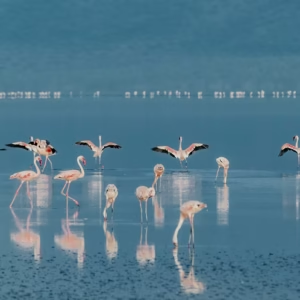
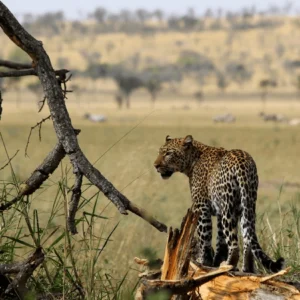
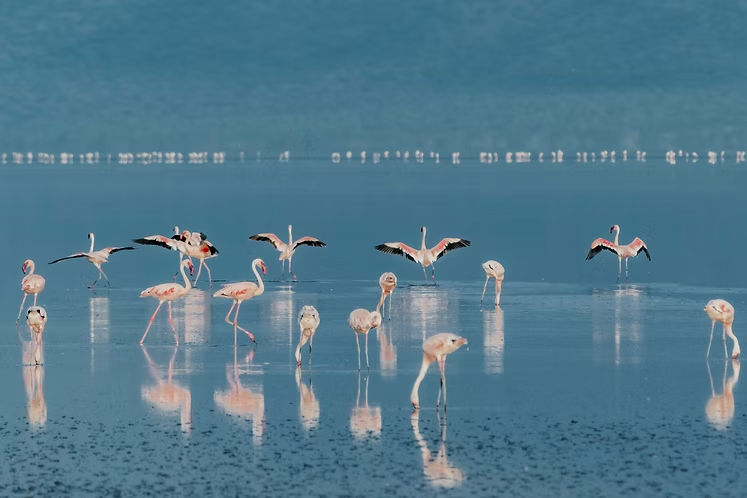
Ngorongoro Crater entrance fees may seem high compared to other parks, but the experience justifies every dollar. The crater is often referred to as “Africa’s Garden of Eden” due to its dense concentration of wildlife, including lions, elephants, rhinos, and flamingos. Unlike vast parks where wildlife can be spread out, Ngorongoro offers guaranteed sightings within a compact area. Additionally, the conservation fees support vital environmental protection efforts and local communities. Visitors also benefit from well-maintained infrastructure, professional guides, and strict conservation policies. The unique combination of scenery, wildlife, and cultural heritage makes Ngorongoro one of the most rewarding safari destinations in the world. For many travelers, it becomes the highlight of their Tanzania safari journey.
Table summarizing the entrance fees for Ngorongoro Crater within the Ngorongoro Conservation Area:
| Fee Type | Category | Cost (USD) | Notes / Description |
|---|---|---|---|
| Conservation Fee (Per Day) | International Adult (16+) | $70 – $82 | Mandatory fee for park entry; varies slightly by season/VAT updates |
| International Child (5–15) | ~$20 – $30 | Discounted rate for children | |
| Child (Under 5) | Free | No charge for very young children | |
| East African Resident Adult | ~$35 – $50 | Requires valid residence permit | |
| Tanzanian Citizen Adult | Much lower (~$10 or less) | Subsidized rate for locals | |
| Crater Service Fee | Per Safari Vehicle (per day) | ~$295 | Required for descending into the crater floor (max ~6 hours game drive) |
| Vehicle Entry Fee | Standard 4×4 Safari Vehicle | ~$40 – $60 | Charged per vehicle per day |
| Larger Vehicles / Buses | Higher rates | Depends on vehicle size | |
| Student Fees | Approved Educational Groups | Discounted | Must present a valid student ID and prior arrangement |
| Concession / Lodge Fees | Per Person (if staying inside NCA) | ~$50 – $70 | Charged by lodges on the crater rim or inside the conservation area |
| Additional Costs | Guide / Driver Tips | Optional ($10–$20/day) | Customary but not mandatory |
How to Pay Ngorongoro Fees
Ngorongoro Crater entrance fees are typically paid through licensed tour operators as part of an all-inclusive safari package. The Ngorongoro Conservation Area Authority (NCAA) requires electronic payment systems, and cash payments are generally not accepted at entry gates. Tour operators handle all logistics, ensuring a smooth and hassle-free experience for visitors. If you are planning a self-drive safari, you must arrange payments in advance through official channels. It is highly recommended to book with reputable safari companies to avoid complications. Confirming that all fees are included in your package is essential to prevent unexpected costs. Working with experienced operators ensures transparency, convenience, and a seamless safari experience in Ngorongoro.
Final Thoughts
Understanding Ngorongoro Crater entrance fees is essential for planning a successful and stress-free Tanzania safari. While the costs may appear high, they reflect the exceptional value, conservation efforts, and world-class experience offered within the crater. From conservation fees to crater service charges and vehicle costs, each component plays a role in preserving this unique ecosystem. By working with a trusted tour operator and planning your visit carefully, you can maximize your investment and enjoy one of Africa’s most iconic destinations. Ngorongoro Crater remains a bucket-list safari destination, offering unparalleled wildlife encounters and breathtaking scenery. With proper budgeting and preparation, your visit will be both memorable and worthwhile, delivering an authentic African safari experience like no other.
What is the entrance fee for Ngorongoro Crater
The entrance fee for visiting the Ngorongoro Conservation Area (which includes Ngorongoro Crater) is typically around $70–$82 per adult per day for international visitors. Children aged 5–15 pay reduced rates, while children under five usually enter free. In addition to the conservation fee, a separate crater service fee is required for vehicles descending into the crater floor. These fees contribute to wildlife conservation, infrastructure, and community development. Most travelers pay these charges through their safari operator as part of an all-inclusive package. Always confirm current rates before travel, as prices may change due to government updates or seasonal adjustments.
What is the crater service fee and why is it charged
The crater service fee is a mandatory charge of about $295 per vehicle per day for accessing the crater floor. This fee applies only if your safari includes a descent into the crater for game viewing. It helps fund road maintenance, ranger services, and environmental protection within the crater. Because Ngorongoro is a fragile ecosystem with dense wildlife populations, the fee also helps regulate traffic and minimize environmental impact. Visitors are typically allowed a limited number of hours inside the crater, ensuring sustainability. This fee is usually included in your safari package, but it’s important to confirm this with your tour operator to avoid unexpected costs.
Are Ngorongoro Crater fees paid per person or per vehicle
Ngorongoro fees are structured in two ways: per person and per vehicle. The conservation fee is charged per person per day, granting access to the Ngorongoro Conservation Area. Meanwhile, the crater service fee is charged per vehicle for entry into the crater floor. Additionally, there may be a separate vehicle entry fee depending on the type and size of the safari vehicle. This combination ensures fair cost distribution while supporting conservation efforts. For travelers, this means your total safari cost will depend on both group size and vehicle arrangement. Private safaris may be more expensive but offer a more personalized experience.
Do children pay entrance fees at Ngorongoro Crater
Yes, children do pay entrance fees, but at discounted rates. Kids aged 5–15 typically pay a reduced conservation fee, often around half the adult price. Children under five years old are usually allowed free entry into the Ngorongoro Conservation Area. These family-friendly pricing policies make Ngorongoro an excellent destination for family safaris. However, the crater service fee still applies per vehicle regardless of passengers’ ages. Families should confirm exact child rates with their safari operator when booking, as policies can change. Overall, Ngorongoro offers a great balance of affordability and unforgettable wildlife experiences for travelers of all ages.
Are there discounts for East African residents or Tanzanian citizens
Yes, significant discounts are available for East African residents and Tanzanian citizens. Residents of countries within the East African Community pay lower conservation fees compared to international visitors, while Tanzanian citizens enjoy the most reduced rates. These discounted fees encourage regional tourism and make the crater more accessible to locals. To qualify, visitors must present valid identification, such as a passport or residence permit. Without proper documentation, standard international rates may apply. This pricing system reflects Tanzania’s commitment to balancing tourism revenue with local accessibility and community engagement in conservation efforts.
Are Ngorongoro entrance fees included in safari packages
In most cases, Ngorongoro entrance fees are included in the total price of your safari package. Reputable tour operators typically bundle conservation fees, crater service fees, and vehicle entry charges into one all-inclusive cost. This simplifies the booking process and ensures transparency for travelers. However, it is essential to confirm exactly what is included in your package before booking. Some budget tours may exclude certain fees or list them separately. Always request a detailed itinerary and cost breakdown to avoid surprises. Choosing a trusted safari company ensures a smooth experience and proper handling of all required payments.
How are Ngorongoro Crater fees paid
Ngorongoro Crater fees are usually paid electronically through the Ngorongoro Conservation Area Authority system. Cash payments are generally not accepted at the entrance gates. Most travelers don’t need to worry about this process, as tour operators handle all payments in advance. If you are planning a self-drive safari, you must arrange payments beforehand through official channels. It is highly recommended to work with a licensed safari operator to avoid complications. Confirming that all fees are prepaid ensures a seamless entry experience and allows you to focus on enjoying your safari adventure.
Do I need to pay fees if I don’t descend into the crater
Yes, you still need to pay the conservation fee even if you don’t descend into the crater. This fee grants access to the entire Ngorongoro Conservation Area, including viewpoints, lodges, and surrounding landscapes. However, the crater service fee only applies if your vehicle enters the crater floor. Some travelers choose to stay on the crater rim or explore nearby areas without descending, which reduces overall costs. This flexibility allows visitors to tailor their safari experience based on budget and preferences while still enjoying the stunning scenery and wildlife of Ngorongoro.
Why are Ngorongoro Crater entrance fees so high
Ngorongoro Crater entrance fees are relatively high due to the unique value and conservation importance of the area. The crater is one of the most wildlife-dense regions in Africa, offering reliable sightings of the Big Five in a compact space. Fees support conservation programs, anti-poaching efforts, infrastructure maintenance, and local community development. Additionally, strict regulations are enforced to limit overcrowding and protect the fragile ecosystem. While the cost may seem high, the experience is often considered worth it due to the exceptional wildlife viewing and breathtaking scenery. Many travelers regard Ngorongoro as the highlight of their Tanzania safari.
Can Ngorongoro entrance fees change
Yes, Ngorongoro entrance fees can change periodically based on government policies, conservation needs, and inflation adjustments. The Ngorongoro Conservation Area Authority reviews fees to ensure sustainable tourism and adequate funding for conservation projects. Changes may include adjustments to conservation fees, crater service fees, or additional charges such as concession fees. Travelers are advised to check current rates before booking their safari or consult with their tour operator for the latest updates. Planning in advance and confirming costs helps avoid surprises and ensures accurate budgeting for your Tanzania safari experience.