
8-Day Lemosho Route Kilimanjaro & Success Rates Experience and discover the ultimate 8-Day Lemosho Route on Mount Kilimanjaro, …
Kikelelwa Camp on Mount Kilimanjaro
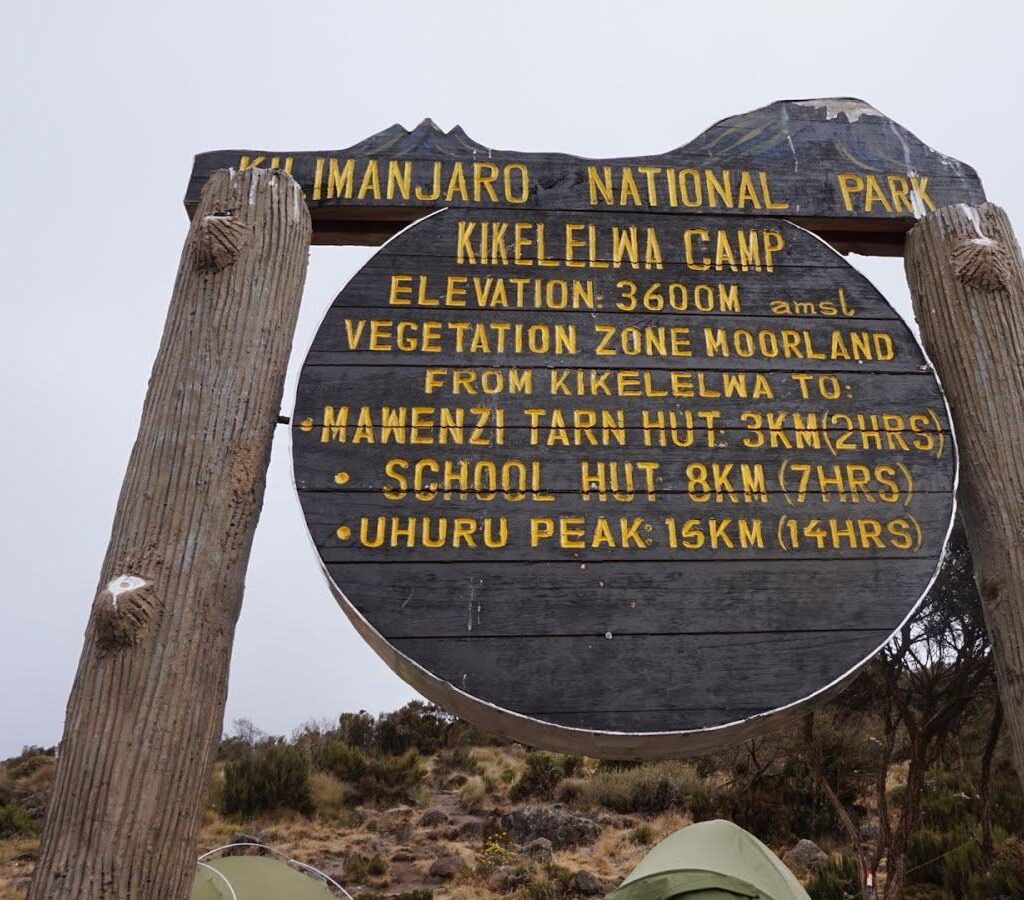
Perched on the remote northeastern slopes of Mount Kilimanjaro, Kikelelwa Camp is a scenic and tranquil overnight stop along the famous Rongai Route, ideal for climbers seeking a quieter Kilimanjaro trekking experience. Sitting at 3,600 meters above sea level, this high-altitude campsite serves as a key acclimatization point before ascending toward Mawenzi Tarn.
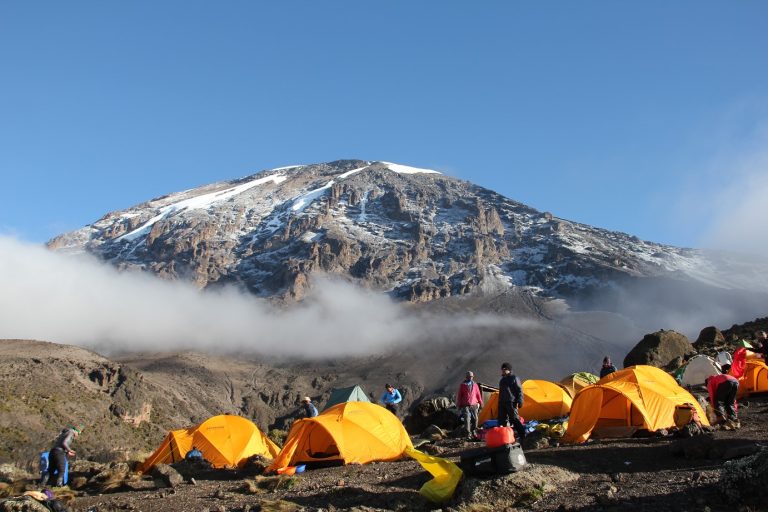
Kikelelwa Camp on Mount Kilimanjaro surrounded by striking moorland vegetation, giant senecios, and sweeping mountain views, the camp offers a raw, authentic wilderness atmosphere. Kilimanjaro National Park enhances its appeal with unspoiled landscapes and minimal crowds.
Accommodation at Kikelelwa Camp is purely camping-based, with trekkers pitching tents and enjoying hearty, energy-rich meals prepared by mountain crews. Despite basic facilities like pit latrines and limited water supply, the experience is unforgettable—featuring star-filled skies, crisp alpine air, and peaceful silence. For those planning a Mount Kilimanjaro climb, Kikelelwa Camp delivers a perfect blend of adventure, solitude, and breathtaking natural beauty.
Key Aspects of Kikelelwa Camp on Mount Kilimanjaro

Location and Scenery
Located on the northwest side of Kilimanjaro, it serves as the traditional, necessary first stop after starting at the Londorossi Gate, allowing hikers to ease into the trek, usually after a 3-4 hour hike.

Accommodation and Facilities
This is a public, open-site camping area with no permanent huts. Hikers must bring their own tents, or use tents provided by tour operators. The camp has a single semi-permanent ranger hut for administration.

Toilet Facilities
There are no indoor toilets, and travelers often use pit latrines (dry toilets).
Climate
The site is often exposed to winds as it lacks dense trees for shelter, making it cold, especially at night.
 Bed Type | Mount Tent
 Area | Rongai Route
 Full Board
Acclimatization
Situated at over 3,600m, it allows for a gradual increase in altitude.
Bed Type | Mount Tent
Area | Rongai Route
Full Board
Route Context
It is used exclusively on the Rongai route—often considered the best route for those seeking a less crowded, remote experience, particularly during the wet season, as it lies in a dry rain shadow.
Bed Type | Mount Tent
Area | Rongai Route
Full Board
How high is Kikelelwa Camp
Kikelelwa Camp sits at approximately 3,600 meters (11,800 feet) above sea level on the slopes of Mount Kilimanjaro. This altitude makes it a crucial acclimatization stop for trekkers climbing Africa’s highest peak via the Rongai Route. At this elevation, the air becomes thinner, and hikers begin to feel the real effects of high altitude, making proper pacing and hydration essential. Kikelelwa Camp is often reached after leaving the moorland zone, offering a cooler climate and breathtaking alpine scenery. Many climbers consider this altitude perfect for gradual adaptation before ascending to higher camps like Mawenzi Tarn. Its elevation also provides sweeping panoramic views, making it one of the most scenic overnight stops. Understanding the altitude of Kikelelwa Camp helps trekkers prepare physically and mentally for the Kilimanjaro summit journey.
Where is Kikelelwa Camp located on Kilimanjaro
Kikelelwa Camp is located on the northeastern side of Mount Kilimanjaro along the famous Rongai Route, the only trail approaching the mountain from the north near the Kenyan border. This remote location makes it less crowded compared to southern routes like Machame or Marangu. Positioned between Second Cave and Mawenzi Tarn, Kikelelwa Camp lies in a sheltered valley surrounded by giant heather and rugged alpine landscapes. Its unique position offers incredible views of Mawenzi Peak, Kilimanjaro’s jagged secondary summit. The northern approach provides a drier climate, making Kikelelwa Camp a preferred stop during rainy seasons. Its peaceful setting allows trekkers to experience a quieter, more intimate Kilimanjaro adventure. This location is ideal for those seeking solitude, scenic beauty, and a gradual acclimatization profile during their trek.
Kikelelwa Campon Kilimanjaro Map
On a Kilimanjaro trekking map, Kikelelwa Camp is clearly marked along the Rongai Route between Second Cave and Mawenzi Tarn Camp. It sits slightly off the main ridge in a scenic valley, making it distinct from other camps located directly along the trail. The map shows a gradual ascent from the northern slopes, highlighting Kikelelwa Camp as a mid-altitude stop critical for acclimatization. Trekkers typically reach this camp after a moderate hike through moorland terrain. Maps also illustrate its proximity to Mawenzi Peak, offering insight into the dramatic landscapes surrounding the camp. Whether using digital GPS maps or traditional trekking charts, Kikelelwa Camp is easy to identify as a key overnight point. Understanding its map position helps trekkers visualize the route progression and plan their Kilimanjaro climbing itinerary effectively.
What makes Kikelelwa Camp special on the Rongai Route
Kikelelwa Camp is considered one of the most scenic and peaceful camps on the Rongai Route. Its secluded valley setting, surrounded by towering heather plants and alpine wilderness, offers a tranquil atmosphere rarely found on busier Kilimanjaro trails. Unlike crowded camps, Kikelelwa provides a quiet environment where trekkers can relax and connect with nature. The stunning views of Mawenzi Peak create a dramatic backdrop, especially during sunrise and sunset. Its position also makes it a perfect acclimatization stop, helping climbers adjust to altitude gradually. The camp’s unique terrain, with soft grassy areas and natural shelter, enhances comfort compared to more exposed camps. Many climbers highlight Kikelelwa Camp as a memorable highlight of their journey due to its beauty, serenity, and strategic importance on the climb.
How is the camping experience different at Kikelelwa Camp
Camping at Kikelelwa Camp feels more intimate and immersive compared to other Kilimanjaro camps. The smaller number of trekkers creates a quieter, less commercial atmosphere. The camp is set on soft ground, making tent pitching more comfortable than rocky high-altitude camps. Its sheltered valley location protects trekkers from strong winds, improving overall comfort during the night. The surrounding vegetation adds a sense of warmth and natural beauty, unlike the barren landscapes found at higher elevations. Nights are colder due to altitude, but the peaceful environment enhances rest and recovery. Trekkers often enjoy stargazing here thanks to minimal light pollution. Overall, the camping experience at Kikelelwa Camp combines comfort, tranquility, and scenic charm, making it a favorite overnight stop for those seeking a more authentic Kilimanjaro adventure.
What kind of meals do trekkers enjoy at Kikelelwa Camp
Meals at Kikelelwa Camp are surprisingly nutritious, varied, and energy-packed, designed to support high-altitude trekking. Professional Kilimanjaro cooks prepare hot meals including soups, pasta, rice dishes, vegetables, and protein-rich options like chicken or beef. Breakfast often includes porridge, eggs, toast, and fresh fruit, providing essential energy for the day’s hike. Dinner typically starts with a warm soup, followed by a hearty main course and sometimes dessert. Special dietary needs such as vegetarian or vegan meals are usually accommodated. Tea, coffee, and hot chocolate are commonly served to help keep trekkers warm. Hydration is emphasized, with boiled and treated drinking water provided daily. The quality of meals at Kikelelwa Camp often surprises climbers, making it an important part of maintaining strength and morale during the Kilimanjaro climb.
Do trekkers see wildlife at Kikelelwa Camp
Wildlife sightings at Kikelelwa Camp are possible but generally limited due to the altitude. However, trekkers may encounter small animals such as mountain rodents, birds, and occasionally antelope species in the lower sections leading to the camp. The Rongai Route, being less trafficked, offers a better chance of spotting wildlife compared to busier routes. Birdlife is particularly notable, with various high-altitude species visible around the camp. As trekkers ascend, vegetation becomes sparse, reducing larger animal presence. While Kikelelwa Camp itself is not a major wildlife hotspot, the journey to and from the camp can provide unique sightings. The quiet environment also allows for peaceful observation of nature. Overall, wildlife encounters add an extra layer of excitement to the trekking experience without being the main focus at this altitude.
Which Kilimanjaro route uses Kikelelwa Camp
Kikelelwa Camp is exclusively used by the Rongai Route, one of the most scenic and less crowded routes on Mount Kilimanjaro. This route approaches the mountain from the northern side, near the Kenya border, offering a unique perspective compared to southern routes. The Rongai Route is known for its gradual ascent, making it ideal for acclimatization and increasing summit success rates. Kikelelwa Camp serves as a key overnight stop before reaching higher camps like Mawenzi Tarn. Because only Rongai trekkers pass through this camp, it remains quieter and less congested. This exclusivity enhances the overall trekking experience, providing a sense of isolation and connection with nature. Climbers choosing the Rongai Route often look forward to staying at Kikelelwa Camp as one of the journey’s highlights.
Which section comes before and after Kikelelwa Camp
The trekking section before Kikelelwa Camp typically begins at Second Cave Camp, where hikers start ascending through moorland terrain. This section is moderately challenging, with a steady incline and beautiful views of the northern slopes. After spending the night at Kikelelwa Camp, trekkers continue toward Mawenzi Tarn Camp, which sits at a higher altitude near the base of Mawenzi Peak. The hike after Kikelelwa is steeper and more demanding, marking a transition into alpine desert conditions. This progression is carefully designed to support acclimatization, allowing climbers to gradually adjust to higher elevations. Each section offers distinct landscapes, from green moorlands to rugged volcanic terrain. Understanding the sequence of camps helps trekkers mentally prepare for the journey and appreciate the changing scenery along the Rongai Route.
Is solo trekking allowed at Kikelelwa Camp
Solo trekking at Kikelelwa Camp is not allowed independently due to Kilimanjaro National Park regulations. All trekkers must be accompanied by a licensed guide and registered tour operator. This rule applies across all Kilimanjaro routes, including the Rongai Route. However, solo travelers can still join organized group climbs or book private guided expeditions. At Kikelelwa Camp, solo trekkers often meet fellow climbers, creating opportunities for social interaction. Guides and support staff ensure safety, navigation, and proper acclimatization. This structured system enhances the overall trekking experience while maintaining safety standards. Although independent trekking is prohibited, solo adventurers can still enjoy a fulfilling and well-supported journey. Kikelelwa Camp remains a welcoming stop for individuals traveling alone within guided Kilimanjaro climbing packages.
How can trekkers make the most of their stay at Kikelelwa Camp
To make the most of Kikelelwa Camp, trekkers should focus on rest, hydration, and acclimatization. Taking short walks around the camp helps the body adjust to altitude while improving circulation. Drinking plenty of water and enjoying nutritious meals supports energy levels for the next stage of the climb. Trekkers should also take time to appreciate the stunning views of Mawenzi Peak and the surrounding landscapes. Photography opportunities are excellent, especially during sunrise and sunset. Engaging with guides and porters can enhance cultural understanding and enrich the experience. Preparing gear for the next day’s hike ensures a smooth departure. Proper sleep is essential, so staying warm and comfortable is key. By balancing relaxation and preparation, trekkers can fully enjoy their time at Kikelelwa Camp.
Is the camp suitable for solo trekkers
Kikelelwa Camp is highly suitable for solo trekkers traveling with guided groups or private tours. The camp’s peaceful environment provides a comfortable space for reflection and relaxation. Solo climbers often find it easy to connect with others, as the smaller number of trekkers encourages interaction. Guides and support teams offer personalized attention, ensuring safety and comfort throughout the journey. The calm atmosphere makes it less overwhelming compared to busier camps. Facilities and organized meal services eliminate logistical concerns, allowing solo travelers to focus on the experience. The sense of community, combined with professional support, creates a welcoming environment. For those seeking adventure without complete isolation, Kikelelwa Camp strikes the perfect balance between solitude and social connection on Mount Kilimanjaro.
Is Kikelelwa Camp crowded
Kikelelwa Camp is generally not crowded, especially compared to camps on popular routes like Machame or Marangu. Since it is located on the Rongai Route, which sees fewer climbers, the camp maintains a शांत and relaxed atmosphere. Trekkers often appreciate the extra space, reduced noise, and minimal congestion. This makes it easier to enjoy nature, take photos, and rest comfortably. Even during peak trekking seasons, Kikelelwa Camp rarely feels overcrowded. The limited number of groups enhances the overall experience, making it ideal for those seeking a quieter Kilimanjaro climb. This low crowd level is one of the main reasons many climbers choose the Rongai Route. The peaceful setting at Kikelelwa Camp contributes significantly to a more enjoyable and memorable trekking journey.
What the hike to Kikelelwa Camp feels like
The hike to Kikelelwa Camp is a moderate and scenic ascent that offers a rewarding trekking experience. Starting from Second Cave, the trail gradually climbs through moorland vegetation, with occasional steeper sections. Trekkers walk at a steady pace, allowing their bodies to adapt to increasing altitude. The landscape transitions from grassy slopes to more rugged terrain, providing diverse views along the way. The air becomes cooler and thinner, making breathing slightly more challenging but manageable. Many climbers describe the hike as peaceful and less strenuous compared to later stages. The final approach into the camp reveals a beautiful valley surrounded by towering plants and dramatic scenery. Overall, the hike is enjoyable, offering a perfect balance of challenge and natural beauty on the Rongai Route.
Kikelelwa Camp Photos
Photos of Kikelelwa Camp capture its unique beauty and tranquil setting on Mount Kilimanjaro. Images often showcase colorful tents nestled in a green valley surrounded by giant heather vegetation. The dramatic backdrop of Mawenzi Peak adds a striking visual element, especially during sunrise and sunset. Photographers love capturing the contrast between lush moorland and the rugged alpine terrain above. Clear night skies provide excellent opportunities for astrophotography, with stars shining brightly due to minimal light pollution. Trekking photos also highlight the peaceful atmosphere and smaller crowds. These visuals help travelers understand what makes Kikelelwa Camp special compared to other camps. Whether taken by professionals or climbers, photos of Kikelelwa Camp inspire many to choose the Rongai Route for their Kilimanjaro adventure.
Wildlife around Kikelelwa Camp
The wildlife around Kikelelwa Camp is subtle but still interesting for nature lovers. While large animals are rare at this altitude, trekkers may spot small mammals such as rodents and occasional antelope in nearby areas. Birdlife is more prominent, with various high-altitude species inhabiting the region. The quiet and less crowded environment increases the chances of observing these animals in their natural habitat. As trekkers ascend, vegetation decreases, limiting wildlife diversity. However, the journey leading to Kikelelwa Camp offers better opportunities for sightings. The presence of wildlife, even in small numbers, adds to the overall experience. It reminds trekkers that Mount Kilimanjaro is not just a mountain but also a diverse ecosystem supporting life at different elevations.
How to Get to Kikelelwa Camp
To reach Kikelelwa Camp, trekkers must first travel to the Rongai Route starting point near the northern side of Mount Kilimanjaro. Most begin their journey from Moshi or Arusha, followed by a drive to the Rongai Gate. From there, the trek begins through forest and moorland zones. The journey typically takes two to three days of hiking to reach Kikelelwa Camp, passing through Simba Camp and Second Cave. The route is gradual, allowing proper acclimatization. Transportation to the trailhead is usually arranged by tour operators. International travelers often fly into Kilimanjaro International Airport before starting their climb. The journey to Kikelelwa Camp combines road travel and trekking, offering a scenic and well-paced introduction to the Kilimanjaro climbing experience.
Facilities at Kikelelwa Camp
Facilities at Kikelelwa Camp are basic but well-organized to support trekkers during their Kilimanjaro climb. The camp provides designated tent areas, shared dining spaces, and simple toilet facilities, often portable or pit latrines. There are no permanent buildings, maintaining the natural environment. Water is supplied by trekking crews, who collect and treat it for safe drinking. Cooking is done by support staff using portable equipment. While there are no showers, trekkers use wet wipes or limited water for hygiene. The camp is managed under Kilimanjaro National Park regulations, ensuring environmental protection. Despite its simplicity, the camp offers everything needed for an overnight stay. Proper organization and experienced crews make the facilities efficient and reliable for climbers on the Rongai Route.
Accommodation: what to expect at Kikelelwa Camp
Accommodation at Kikelelwa Camp consists of high-quality mountain tents set up by professional trekking crews. These tents are designed to withstand cold temperatures and provide protection from wind and rain. Inside, trekkers typically have sleeping mats and enough space for personal gear. While the setup is simple, it is comfortable enough for a good night’s rest. Dining tents are often provided for meals, offering a communal space to eat and relax. There are no luxury amenities, but the experience is authentic and immersive. Trekkers should bring warm sleeping bags suitable for sub-zero temperatures. The peaceful environment enhances sleep quality despite the altitude. Overall, accommodation at Kikelelwa Camp focuses on practicality, comfort, and safety, ensuring climbers are well-rested for the next stage of their Kilimanjaro adventure.
7-Day Lemosho Route Kilimanjaro & Success Rates Experience and discover the ultimate 7-day Lemosho Route on Mount Kilimanjaro, …
Lemosho Route 6-day Itinerary, Prices & Dates The 6-day Lemosho route on Mount Kilimanjaro is a scenic, challenging, …