Questions to Ask Before Booking an African Safari
Questions to Ask Before Booking an African Safari
Planning an African safari is an exciting adventure, but it comes with important decisions that can make or break your experience. From choosing the right safari destination to packing the essentials, understanding key factors ensures a safe, memorable, and seamless journey. Travelers often ask: which African countries offer the best wildlife safaris, how to spot the Big Five, and what type of safari experience suits them—luxury lodges, tented camps, or budget adventures. Knowing what to expect before you book helps you maximize your African safari. This guide provides crucial questions to ask before booking, including destinations, timing, lodging, wildlife, activities, transport, and preparation tips for an unforgettable safari experience in Africa.
Where in Africa Do You Want to Go on Safari?
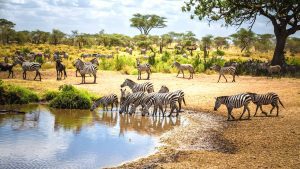
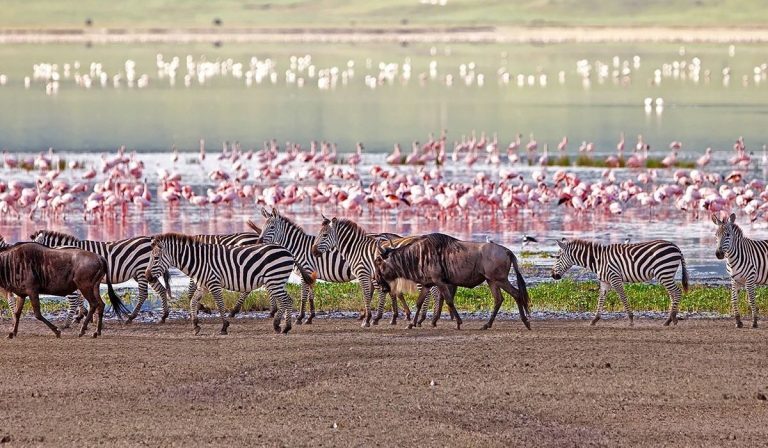
Africa is vast, and each safari destination offers unique wildlife, landscapes, and experiences. Popular choices include Tanzania’s Serengeti National Park and Ngorongoro Crater, famous for the Great Migration, Big Five sightings, and exceptional predator viewing. Tarangire National Park combines accessible wildlife with large elephant herds, while Nyerere National Park in the south is ideal for boat safaris, birdwatching, and walking safaris. When choosing your safari destination, consider factors like wildlife density, season, accessibility, and your preferred activities. Knowing where in Africa to go sets the stage for planning the perfect wildlife adventure tailored to your interests.
Which Country Should You Choose for Your First African Wildlife Viewing Safari?
For first-time safari-goers, selecting the right country is key to an unforgettable experience. Tanzania is a popular choice due to its well-developed safari infrastructure, abundant wildlife, and world-renowned parks, offering good Big Five sightings and cultural interactions with Maasai communities. The Serengeti offers iconic savannah landscapes and the annual wildebeest migration, and is excellent for first-timers seeking convenience, comfortable lodges, and diverse wildlife. Tarangire National Park is ideal for adventurous travelers seeking pristine, less-crowded safari settings. Assess your comfort level, travel preferences, and wildlife priorities. A carefully chosen country ensures your first African safari is both safe and spectacular, making it a trip you’ll remember for a lifetime.
- ArushaGateway
- TarangireElephants
- NgorongoroCrater
- SerengetiBig Five
- ZanzibarBeach
When Is the Best Time to Go on an African Safari
Timing can significantly affect wildlife sightings, weather, and overall safari experience. The dry season—usually from June to October in East Africa—is ideal for spotting animals congregating around water sources, and it is the season of the Great Migration river crossings in northern Tanzania, with cooler temperatures and less rainfall enhancing wildlife visibility. The wet season, while less crowded, brings lush landscapes, migratory birds, and newborn animals, especially in Serengeti National Park. Choosing the best time depends on the species you wish to see, preferred climate, and whether you want to avoid peak tourist crowds. Proper planning ensures your African safari aligns with the perfect wildlife-viewing window.
Final Thought
Booking an African safari requires thoughtful planning and informed decisions. By asking the right questions—about destinations, wildlife, lodging, timing, transport, extras, and preparation—you ensure an unforgettable adventure. Careful planning aligns your interests, budget, and expectations with Africa’s extraordinary landscapes and wildlife. Whether witnessing the Big Five, floating above the Serengeti in a hot air balloon, or exploring local cultures, a well-prepared safari offers life-changing experiences. Using this guide as a checklist helps ensure a safe, seamless, and immersive journey into Africa’s wild heart, leaving you with memories and photographs that last a lifetime.
Questions to Ask Before Booking an African Safari: FAQs
How Long Do You Plan to Be on an African Safari?
Safari duration influences your experience, budget, and itinerary flexibility. Short safaris—2 to 4 days—offer glimpses of wildlife and scenic landscapes, ideal for travelers with limited time. A 5 to 7-day safari allows for multiple park visits, Big Five spotting, and immersive experiences like guided walking or night safaris. Extended safaris, 10 days or more, provide opportunities to explore multiple countries, witness migrations, and enjoy luxury lodge stays.
What Animals Are Your “Must-Sees” While on an African Safari?
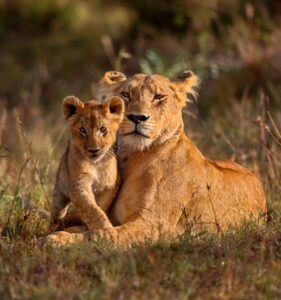
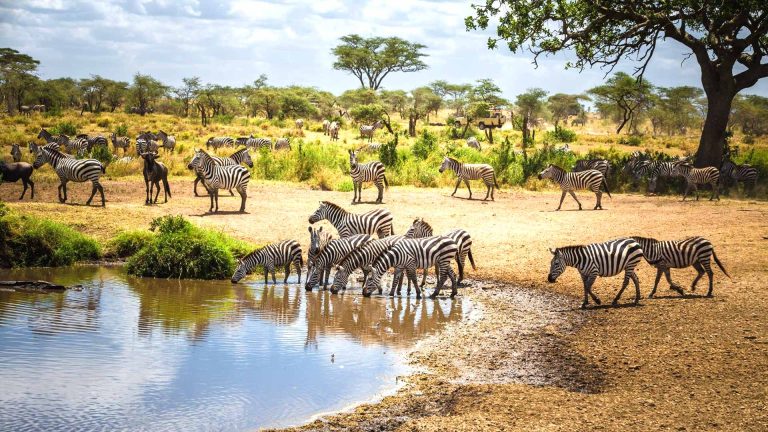
African safaris offer extraordinary wildlife encounters, but knowing which animals are your “must-see” can shape your itinerary. The Big Five—lion, leopard, elephant, buffalo, and rhinoceros—remain top priorities for most safari-goers. Other popular wildlife includes cheetahs, hippos, giraffes, zebras, wildebeest, and African wild dogs. Bird enthusiasts may seek endemic species or migratory flocks, especially in Tanzania.
What Kind of African Safari Lodging Experience Are You Looking For?
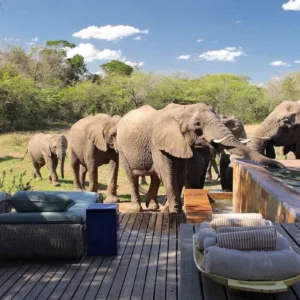
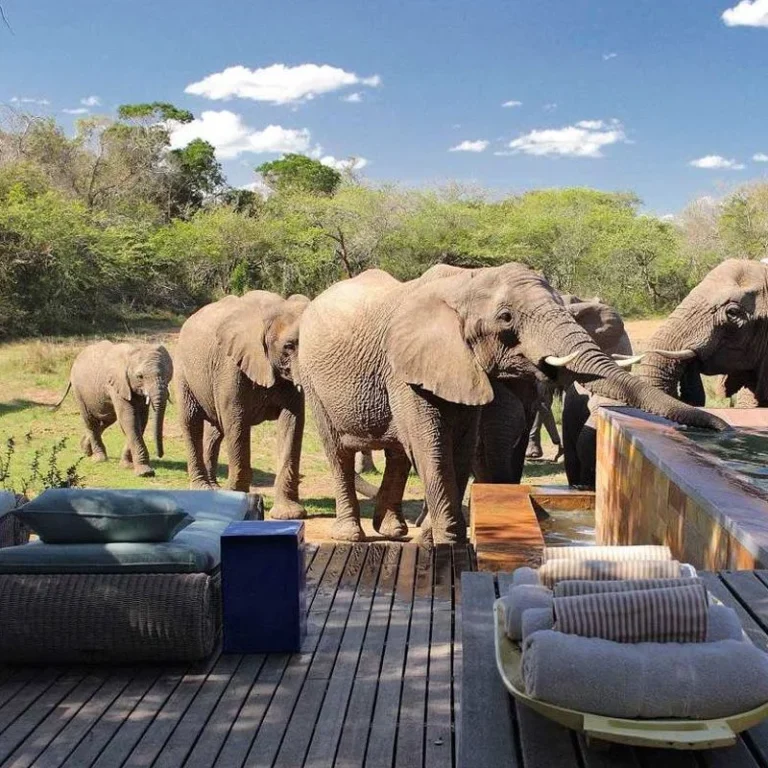
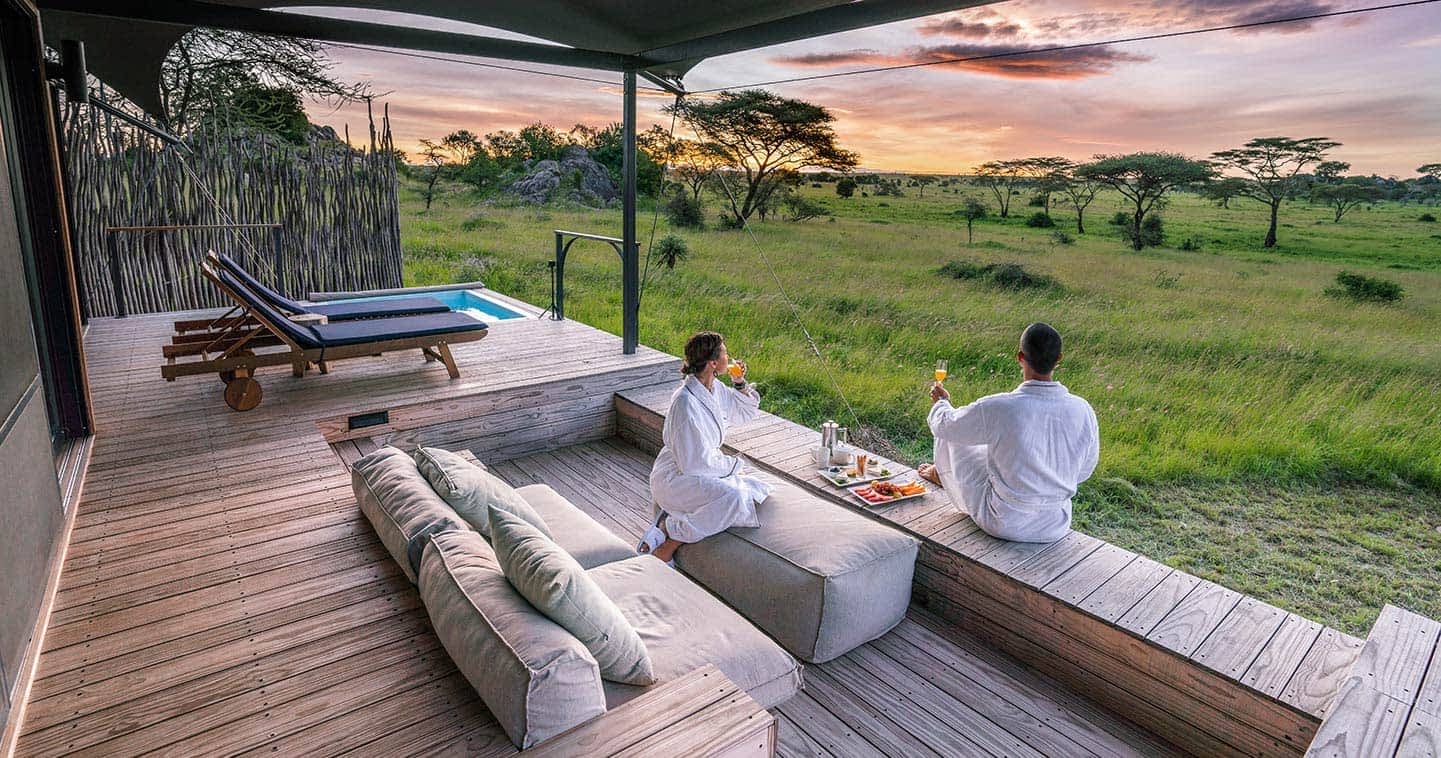
Safari lodging varies from luxurious lodges to rustic tented camps, offering different experiences and price points. Luxury lodges provide spacious suites, gourmet meals, pools, and exclusive game drives, ideal for honeymooners and families. Mid-range lodges balance comfort and authenticity, offering well-appointed rooms, meals, and guided safaris. Tented camps immerse guests in nature, often close to wildlife, creating an adventurous yet comfortable stay.
Are You Planning on Adding Any “Extras” to Your African Safari Trip?
African safaris offer numerous optional activities to enhance your experience. Hot air balloon safaris over the Serengeti provide stunning aerial views of wildlife and landscapes. Walking safaris allow closer encounters with animals and educational opportunities about flora and tracking. Cultural visits to Maasai, Himba, or San communities enrich your understanding of Africa’s traditions. Boat safaris on rivers, deltas, or lakes reveal hippos, crocodiles, and waterbirds.
What Items and Clothing Should You Pack for an African Safari?
Packing the right items ensures comfort, safety, and a successful safari experience. Neutral-colored clothing minimizes attention from wildlife; lightweight layers protect against varying temperatures. Essential gear includes a wide-brimmed hat, sunscreen, insect repellent, binoculars, and a high-quality camera. Comfortable walking shoes or boots are necessary for bush walks. For luxury safaris, casual evening attire may be required for dining in lodges. Rain gear is advisable during wet seasons.
What Type of African Safari Transport Should You Use?
Transport choices impact comfort, accessibility, and wildlife viewing quality. Safari vehicles—4x4s with pop-up roofs—are standard, offering panoramic views, easy maneuvering, and off-road access. Some lodges include private transfers or charter flights to reduce travel time between parks. Hot air balloon rides and walking safaris provide alternative perspectives for photography and wildlife encounters. Boat safaris are ideal for wetlands and rivers, offering close-up animal views.
What Sort of Preparations Do You Need to Make Before Traveling to Africa?
Proper pre-trip preparation ensures a smooth African safari experience. Vaccinations—such as yellow fever, hepatitis, and typhoid—may be required depending on the country. Obtain necessary visas, travel insurance, and health precautions like malaria prophylaxis. Research local customs, currency, tipping etiquette, and park rules. Confirm safari itineraries, accommodations, and transportation in advance. Understanding safety protocols, including wildlife guidelines and vehicle safety, is critical.
What Can You Expect as a Typical Day on an African Safari?
A typical African safari day begins with an early morning game drive at sunrise, when wildlife is most active. Guides track animals like lions, elephants, and cheetahs, offering opportunities for photography and learning about animal behavior. Midday may involve returning to lodges or camps for lunch, relaxation, or a swim. Afternoon game drives allow further wildlife exploration, sometimes followed by sunset viewing or bush dinners.
Plan Your Private Tanzania Safari
Tell us your travel dates, interests and budget, and our local team will design a private tailor-made safari around you.