Planning an African safari is one of the most rewarding travel experiences, especially for Tanzania safari adventures in Serengeti National Park and Ngorongoro Crater. These African safari travel tips help you prepare for wildlife encounters, long game drives, and changing weather conditions across East Africa. Whether you choose a luxury safari or a budget safari Africa experience, proper planning ensures safety, comfort, and unforgettable African safari memories. From African safari packing the right safari clothing and arranging travel insurance to understanding local customs, every detail enhances your journey. This ultimate African safari guide focuses on essential safari preparation advice for first-time and experienced travelers, helping you enjoy Big Five sightings, breathtaking landscapes, and the ultimate African wildlife safari experience Africa offers while staying safe and well prepared for every moment of adventure.
1. Get Comprehensive Travel Insurance
One of the most important African safari travel tips is securing comprehensive travel insurance before your trip. When visiting destinations like Tanzania safari routes in Serengeti or Ngorongoro, unexpected situations such as medical emergencies, flight delays, or lost luggage can occur. A strong safari insurance plan should cover emergency evacuation, hospital treatment, trip cancellation, and adventure activities like game drives. Many African safari operators recommend policies that include remote medical evacuation due to the distance from major cities. Whether you are on a luxury safari or a budget safari in Africa, insurance provides peace of mind and financial protection. Always read policy details carefully and confirm coverage for wildlife safari Africa experiences, ensuring you are fully protected throughout your journey.
2. Personal Safety
Personal safety is a top priority when following African safari travel tips. During a Tanzania safari, always listen carefully to your guide’s instructions, especially in national parks like Serengeti and Ngorongoro Crater. Wildlife is unpredictable, and maintaining a safe distance from animals is essential. Never leave your safari vehicle unless instructed, as this ensures protection from dangerous encounters. Keep valuables secure and avoid displaying expensive items in public areas. Whether on a luxury safari lodge stay or a budget safari in Africa trip, safety awareness enhances your overall experience. Respect park regulations, stay within designated areas, and avoid risky behavior. A well-organized African wildlife safari adventure in Africa depends on discipline, awareness, and following professional guidance at all times for a safe and enjoyable journey.
3. Managing Cash, Credit Cards & ATMs
Managing money is a key part of African safari travel tips for smooth travel. During a Tanzania safari, it is important to carry a mix of cash and credit cards, especially when visiting remote safari regions like Serengeti or Ngorongoro Crater. Many lodges accept cards, but smaller camps and local markets may prefer cash. US dollars are widely accepted, but local currency is useful for tips and small purchases. ATMs are available in major towns like Arusha, but are limited in national parks. Whether on a luxury safari or a budget safari in Africa, always inform your bank before traveling to avoid card blocks. Secure your money safely and avoid carrying large amounts while enjoying your wildlife safari in Africa for convenience and safety.
4. Electric Current
Understanding electricity is essential among African safari travel tips. In Tanzania safari lodges and camps, power supply may vary depending on location, especially in remote Serengeti or Ngorongoro areas. Most safari accommodations use generators or solar power with limited charging hours. Standard voltage is usually 230V with UK-style plug sockets, so travelers should carry a universal adapter. Whether on a luxury safari lodge or a budget safari Africa camping experience, charging opportunities may be restricted during game drives. It is advisable to bring power banks for cameras and mobile phones to ensure continuous use during African wildlife safari adventures. Planning ensures your devices remain charged for photography, navigation, and communication throughout your safari journey in Africa.
5. Mobile (Cell) Phone & Internet Access
Mobile connectivity is an important consideration in African safari travel tips. During a Tanzania safari in Serengeti or Ngorongoro Crater, network coverage can be limited in remote wildlife areas. Major towns like Arusha offer strong mobile signals and internet access, but safari parks may have weak or no reception. Many lodges provide Wi-Fi, though speeds can be slow. Travelers on a luxury safari may enjoy better connectivity compared to budget safari camps in Africa. It is recommended to purchase a local SIM card for better coverage and affordable data packages. Always download maps and important travel information in advance. Staying connected enhances safety and convenience while enjoying your wildlife safari in Africa experience across vast and remote landscapes.
6. Drink Safe Water
Safe hydration is one of the most important African safari travel tips. During a Tanzania safari, always drink bottled or purified water provided by your lodge or tour operator. Tap water in remote areas like Serengeti and Ngorongoro is not safe for consumption. Staying hydrated is essential due to long game drives and warm weather conditions. Whether on a luxury safari or a budget safari in Africa, most accommodations provide complimentary drinking water in rooms and vehicles. Avoid ice cubes and uncooked food washed in untreated water. Carry a reusable water bottle to reduce plastic waste while enjoying your wildlife safari in Africa. Proper hydration ensures energy, comfort, and health throughout your safari journey in East Africa’s natural environments.
7. Be Prepared for Dust
Dust is a common part of African safari travel tips, especially during dry seasons in Tanzania safari destinations like the Serengeti and Ngorongoro Crater. Game drives often take place on unpaved roads, creating dusty conditions. Travelers should pack sunglasses, scarves, and face coverings to protect against dust. Cameras and electronics should be stored in protective bags to prevent damage. Whether on a luxury safari vehicle or a budget safari adventure, dust is unavoidable but manageable with proper preparation. Wearing neutral-colored clothing helps maintain comfort and visibility during wildlife safari Africa experiences. Keeping windows partially closed during drives also reduces dust exposure. Being prepared ensures a more enjoyable and comfortable safari journey across Africa’s breathtaking landscapes.
8. Tipping Etiquette
Understanding tipping culture is an essential African safari travel tip. During a Tanzania safari, tipping is a common way to appreciate guides, drivers, and lodge staff who enhance your Serengeti or Ngorongoro experience. While not mandatory, it is highly encouraged in both luxury safari and budget safari trips in Africa. Safari guides typically receive tips based on service quality, and lodge staff are usually tipped collectively. It is best to carry small US dollar notes for convenience. Tipping reflects gratitude for excellent service during your wildlife safari in Africa. Always check with your tour operator for recommended amounts to ensure fairness. Proper tipping etiquette supports local communities and encourages high-quality service throughout your African safari adventure.
9. Follow Vehicle Safety Rules
Following vehicle safety rules is a crucial African safari travel tip for all travelers. During a Tanzania safari in Serengeti or Ngorongoro Crater, always remain seated inside the safari vehicle unless your guide permits otherwise. Standing or leaning out can be dangerous due to unpredictable wildlife movements. Keep doors closed during game drives and avoid loud noises that may disturb animals. Whether on a luxury safari jeep or a budget safari vehicle, safety instructions must be followed at all times. Guides are trained to ensure safe positioning for wildlife safari, African photography, and viewing. Respecting these rules protects both visitors and animals, ensuring a safe and responsible safari experience across Africa’s national parks and reserves.
10. Prepare for Early Mornings
Early mornings are a defining part of African safari travel tips. On a Tanzania safari, game drives often start before sunrise to catch predators and active wildlife in the Serengeti and Ngorongoro Crater. Travelers should prepare for early wake-up calls, sometimes as early as 5:00 AM. Whether on a luxury safari lodge or a budget safari Africa camping trip, early departures maximize wildlife sightings and cooler temperatures. Packing clothes the night before helps ensure a smooth start. Coffee or tea is usually provided before morning drives. These early starts are essential for capturing the best wildlife safari Africa moments, including lions hunting or elephants gathering at waterholes. Embracing early mornings leads to unforgettable safari experiences.
11. Supporting Local Communities
Supporting local communities is a meaningful African safari travel tip that enhances your Tanzania safari experience. Visiting Serengeti, Ngorongoro, and nearby villages provides opportunities to engage with Maasai culture and local traditions. Purchasing handmade crafts, booking community tours, and staying in locally owned lodges contribute directly to livelihoods. Whether on a luxury safari or a budget safari in Africa, responsible tourism ensures benefits reach local people. Respecting customs and learning about traditions enriches your wildlife safari in Africa. Ethical travel supports conservation efforts and helps protect natural habitats. By choosing responsible operators and engaging with communities, travelers create a positive impact while enjoying an authentic and sustainable safari experience across Africa’s incredible destinations.
Final Thought
An African safari is more than a holiday—it is a life-changing journey filled with wildlife encounters, cultural discovery, and breathtaking landscapes. Following these African safari travel tips ensures a safe, comfortable, and memorable Tanzania safari experience in iconic destinations like Serengeti and Ngorongoro Crater. From travel insurance and safety awareness to responsible tourism and early morning game drives, every detail contributes to a successful adventure. Whether you choose a luxury safari or a budget safari in Africa, itinerary preparation is the key to enjoying the best wildlife safari Africa has to offer. Travel smart, respect nature, and embrace every moment of your safari journey for unforgettable memories in the heart of Africa.
What is the best time to go on an African safari
The best time to go on an African safari depends on your wildlife goals, destination, and travel style. In East Africa, especially in Serengeti National Park and Ngorongoro Crater, the dry season (June to October) is widely considered the best time for a safari. During this period, animals gather around water sources, making wildlife viewing easier and more predictable. This is peak safari season, offering excellent chances to see the Big Five and dramatic predator action. The green season (November to May) offers lush landscapes, fewer crowds, and lower safari costs, ideal for birdwatching and photography. Calving season in January–February is perfect for witnessing newborn wildlife. Ultimately, the best time for an African safari blends weather, wildlife migration patterns, and your budget preferences for an unforgettable safari experience.
How much does an African safari cost
African safari costs vary widely depending on destination, accommodation level, and travel style. Budget safaris can start from $150–$300 per person per day, while mid-range safaris typically cost $350–$700 per day. Luxury African safari packages, especially in iconic parks like Serengeti National Park, can exceed $1,000 per person per day, offering all-inclusive experiences with private guides, fly-in transfers, and premium lodges. Factors influencing safari prices include park fees, transportation, accommodation, meals, and guided game drives. A Tanzania safari cost may also vary depending on the season, with peak months being more expensive. Booking through a trusted safari tour operator ensures transparency and value. Whether you choose a budget camping safari or a high-end luxury safari, Africa offers unforgettable wildlife experiences tailored to every budget and travel dream.
What should I pack for an African safari
Packing for an African safari requires careful planning to ensure comfort, safety, and practicality. Essential safari packing list items include lightweight, neutral-colored clothing such as khaki, beige, and olive to blend into the environment. Include long-sleeve shirts and trousers for sun and insect protection, plus a wide-brim hat, sunglasses, and high-SPF sunscreen. Comfortable walking shoes or boots are ideal for bush walks. Don’t forget binoculars for wildlife viewing, a good camera for safari photography, and a reusable water bottle. In regions like Tarangire National Park, early mornings and evenings can be cool, so pack a light jacket. Personal items like insect repellent, medications, and travel documents are crucial. Soft-sided bags are recommended for safari vehicles and small aircraft. Packing smart enhances your African safari experience.
Is an African safari safe
An African safari is generally safe when organized through reputable tour operators and experienced guides. National parks such as Serengeti National Park and Kruger National Park follow strict safety protocols to protect visitors and wildlife. Professional safari guides are trained in animal behavior, ensuring safe distances during game drives and walking safaris. Visitors are advised to follow instructions, remain inside vehicles unless permitted, and avoid approaching wild animals. Health safety is also important—drink bottled water, use insect repellent, and stay updated on vaccinations. Most safari lodges provide 24/7 security and emergency support. While Africa is vast and diverse, choosing well-reviewed safari companies enhances your safety. With proper planning and awareness, an African safari offers a secure, thrilling, and unforgettable wildlife adventure.
Do I need vaccinations for an African safari
Yes, vaccinations are often recommended when traveling on an African safari, depending on your destination. Countries like Tanzania may require proof of yellow fever vaccination if you are arriving from a high-risk area. Common recommended vaccines include hepatitis A and B, typhoid, tetanus, and rabies in some cases. Malaria prevention is also crucial in many safari regions, including Ngorongoro Conservation Area, where travelers are advised to take antimalarial medication and use insect repellent. It’s best to consult a travel health clinic 4–8 weeks before your trip for personalized advice. Staying up to date with vaccinations ensures a safe and worry-free safari experience. Health preparation is a key part of planning your African safari adventure, especially for remote wilderness destinations.
What animals can I see on an African safari
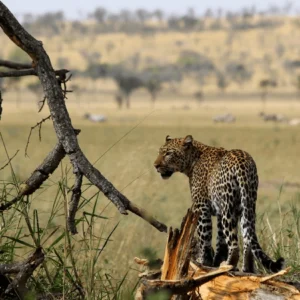
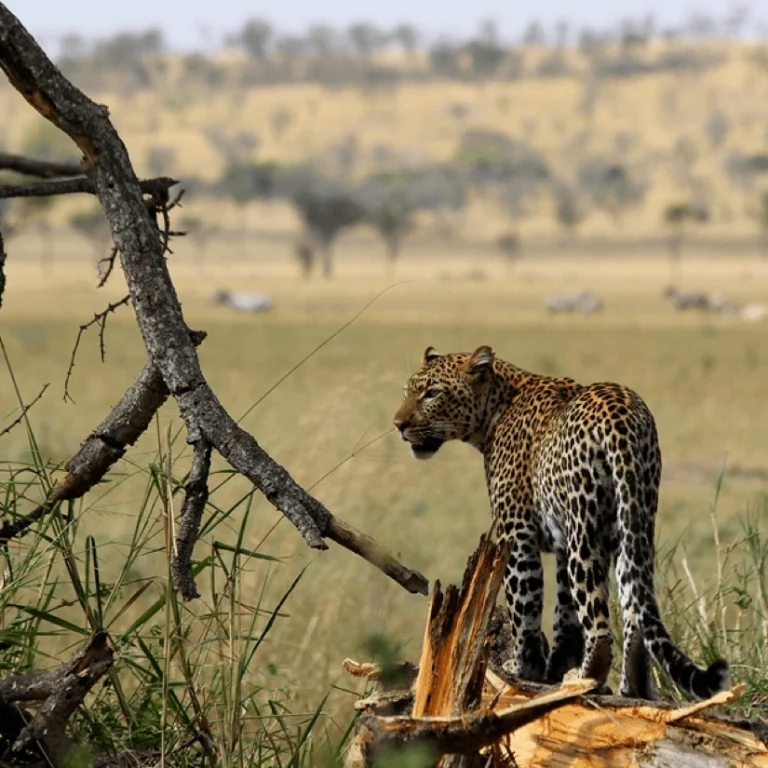
An African safari offers incredible wildlife diversity, making it a bucket-list experience for nature lovers. In top safari destinations like Serengeti National Park and Ngorongoro Crater, you can see the famous Big Five—lion, leopard, elephant, buffalo, and rhinoceros. Other commonly spotted animals include giraffes, zebras, wildebeests, cheetahs, hyenas, and hippos. Bird enthusiasts will enjoy over 500 species in some parks. Seasonal highlights such as the Great Migration feature millions of wildebeests and zebras crossing rivers in dramatic scenes. Each safari destination offers unique wildlife viewing opportunities, from tree-climbing lions in Lake Manyara to large elephant herds in Tarangire. A well-planned African safari ensures unforgettable encounters with some of the world’s most iconic animals in their natural habitat.
How long should an African safari last
The ideal length of an African safari depends on your budget, travel goals, and chosen destinations. For a first-time safari, a 5 to 7-day itinerary is highly recommended, allowing enough time to explore key parks such as Serengeti National Park and Ngorongoro Crater. Short safaris of 3–4 days can offer a quick wildlife experience, especially from Arusha or Dar es Salaam, but may feel rushed. Longer safaris of 10–14 days provide a deeper exploration, including multiple ecosystems and more relaxed game drives. Travel time between parks, rest days, and optional activities should also be considered. A well-balanced itinerary ensures you enjoy diverse wildlife sightings, stunning landscapes, and comfortable travel pacing. Ultimately, the best safari duration combines adventure, relaxation, and unforgettable African wilderness experiences.
What type of accommodation is available on an African safari
African safari accommodation ranges from budget camping to ultra-luxury lodges, catering to every traveler’s style and budget. Budget safaris often include basic campsites or simple lodges, while mid-range options feature comfortable tented camps with en-suite facilities. Luxury safari lodges in destinations like Serengeti National Park offer world-class amenities, including private suites, gourmet dining, and infinity pools overlooking wildlife-rich landscapes. Mobile camps follow the migration, providing immersive experiences in the wild. Eco-lodges focus on sustainability and conservation. In areas like Ngorongoro Crater, lodges perched on the crater rim offer breathtaking views. Whether you choose glamping or high-end luxury, African safari accommodations are designed to blend comfort with nature, ensuring an unforgettable stay in the heart of the wilderness.
Can I go on an African safari as a solo traveler
Yes, going on an African safari as a solo traveler is not only possible but increasingly popular. Destinations like Serengeti National Park and Tarangire National Park are safe and well-organized, making them ideal for solo safari adventures. Solo travelers can choose from budget camping safaris to luxury lodge experiences. Private safaris are also available for those seeking personalized experiences, though at a higher cost. Guided safaris provide safety, local expertise, and social interaction. With proper planning, solo travelers can enjoy wildlife viewing, cultural experiences, and breathtaking landscapes. An African safari offers independence, adventure, and unforgettable memories for travelers exploring Africa alone.
What is the Great Migration
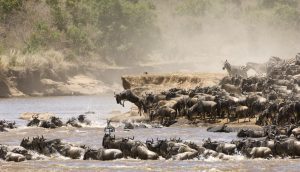
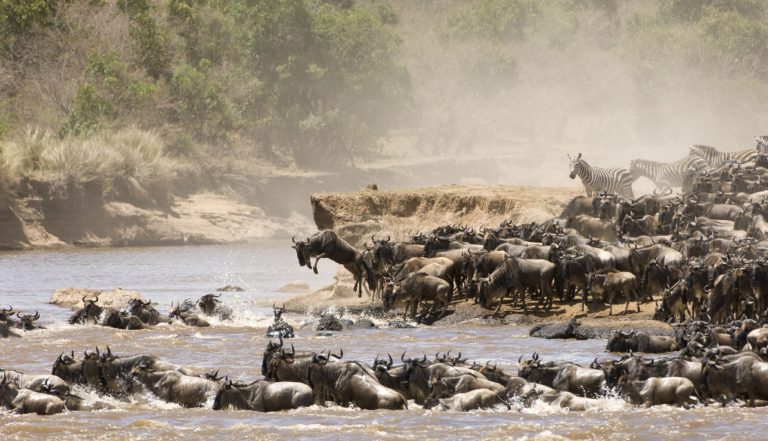
The Great Migration is one of the most spectacular wildlife events on Earth, occurring annually between Serengeti National Park and Maasai Mara National Reserve. Over two million wildebeests, zebras, and gazelles move in a continuous cycle in search of fresh grazing and water. This dramatic journey includes dangerous river crossings, where animals face predators like crocodiles and lions. The migration is not a single event but a year-round movement, with different highlights depending on the season. Calving season occurs in southern Serengeti, while river crossings typically happen between July and October. Witnessing the Great Migration is a bucket-list safari experience, offering unparalleled wildlife action and photographic opportunities. It showcases the raw beauty and survival instincts of Africa’s wildlife.
Do I need travel insurance for an African safari
Yes, travel insurance is highly recommended for an African safari to protect against unexpected situations. Comprehensive safari travel insurance should cover medical emergencies, trip cancellations, lost luggage, and evacuation services. In remote safari areas like Ngorongoro Conservation Area, access to advanced medical facilities may be limited, making emergency evacuation coverage essential. Some safari operators require proof of insurance before confirming bookings. Adventure activities such as walking safaris or balloon safaris may also require additional coverage. Choosing a reliable insurance provider ensures peace of mind throughout your journey. Investing in travel insurance is a small cost compared to the overall safari expense, but it provides critical protection. A well-insured safari allows you to focus on enjoying Africa’s wildlife and landscapes without worry.
What is a typical day on an African safari like
A typical day on an African safari follows the rhythm of wildlife activity. Early morning game drives begin at sunrise in parks like Serengeti National Park, offering the best chance to spot predators such as lions and leopards. After a few hours of exploration, guests return to the lodge or camp for breakfast and relaxation. Midday is usually reserved for rest, swimming, or optional activities. In the afternoon, another game drive begins, often ending with a scenic sunset in the bush. Evenings include dinner, storytelling, and sometimes cultural experiences. Night drives may be available in private reserves. Each day offers unique wildlife sightings and unforgettable moments. The balance of adventure and relaxation makes the African safari experience both exciting and deeply rewarding.
How do I choose the best African safari tour operator
Choosing the best African safari tour operator is essential for a successful and enjoyable trip. Look for operators with strong reviews, experienced guides, and transparent pricing. Reputable companies operating in destinations like Tanzania should be licensed and affiliated with recognized tourism organizations. Consider whether they offer customized itineraries, knowledgeable guides, and well-maintained safari vehicles. Ethical practices, including wildlife conservation and community support, are also important factors. Comparing multiple safari packages helps you find the best value for your budget. A good tour operator will handle logistics, accommodation, and park permits, ensuring a seamless experience. Whether you prefer budget, mid-range, or luxury safaris, selecting a trusted safari company enhances your overall African safari adventure.
Is tipping expected on an African safari
Tipping is a common and appreciated practice on an African safari, though it is not always mandatory. In many safari destinations, including Tanzania, tips are a way to show appreciation for excellent service provided by guides, drivers, and lodge staff. Typical tipping guidelines suggest $10–$20 per day for safari guides and smaller amounts for camp staff. Some lodges provide a communal tip box for easy distribution among employees. Tipping culture may vary depending on the country and level of service. It’s advisable to carry small denominations of US dollars or local currency. While tipping is optional, it significantly supports local communities and enhances the livelihoods of those working in the safari industry.
Can I combine an African safari with other experiences
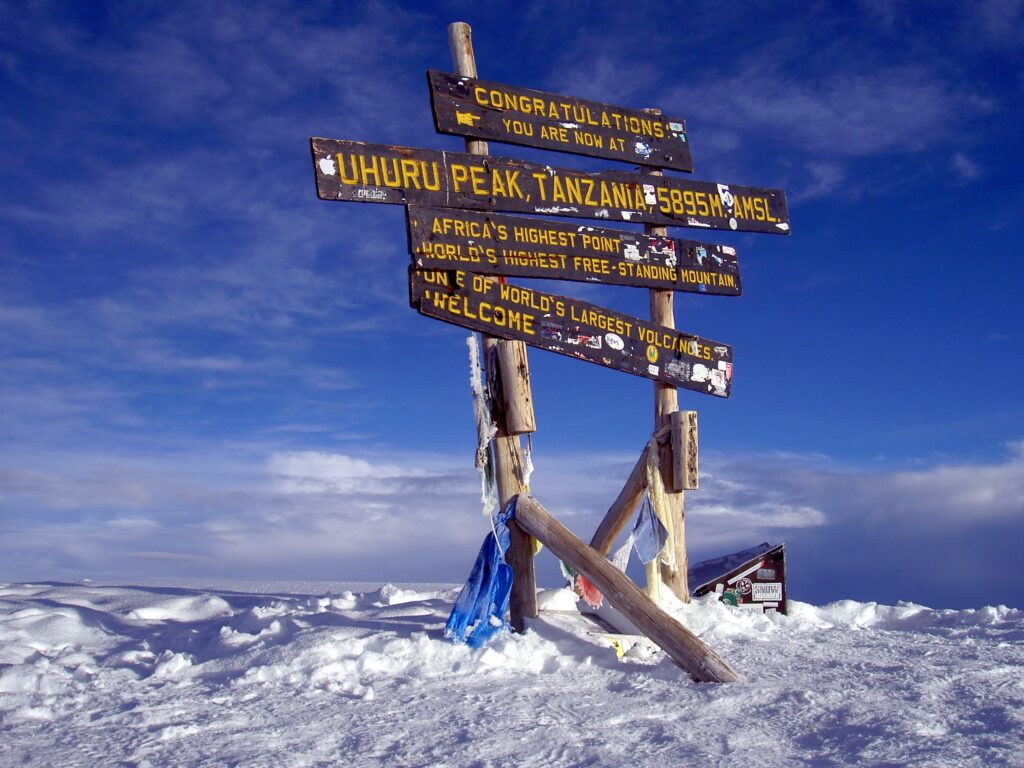
Yes, combining an African safari with other experiences is one of the best ways to create a diverse and unforgettable trip. In Tanzania, travelers often pair safaris in Serengeti National Park with beach holidays in Zanzibar, offering the perfect balance of adventure and relaxation. Other popular add-ons include climbing Mount Kilimanjaro, cultural visits with Maasai communities, and exploring lesser-known parks like Lake Natron. Multi-destination itineraries can also include family, honeymooners, and senior safari. Combining experiences enhances your African journey, allowing you to explore wildlife, landscapes, culture, and coastlines in one trip. A well-planned African safari itinerary ensures seamless travel and maximizes your African adventure.
More Insider Tips for Solo African Safari Travellers
Solo travel on an African safari is one of the most empowering ways to experience Tanzania safari adventures in destinations like Serengeti National Park and Ngorongoro Crater. One key insider tip is to choose reputable safari operators who specialize in solo safari Africa packages, ensuring safety, companionship, and well-organized itineraries. Joining small group safaris can reduce costs while enhancing social interaction with fellow travelers. Always share your itinerary with family and stay connected using local SIM cards. Lodges and camps are generally safe, but it’s important to follow guide instructions at all times. Whether choosing a luxury safari lodge or budget safari Africa camping experience, solo travelers should prioritize guided game drives, cultural tours, and early morning wildlife safari Africa excursions for the best experience and security.
Safari Guide top tips for your first safari in Africa
Professional safari guides play a crucial role in making your Tanzania safari unforgettable, especially in iconic parks like Serengeti and Ngorongoro Crater. One top tip from expert guides is to remain patient—wildlife sightings often require time and careful tracking. Guides recommend wearing neutral safari clothing to avoid disturbing animals and to blend with the environment. Always listen carefully to instructions, as guides understand animal behavior and terrain safety. Whether on a luxury safari or budget safari Africa trip, respecting guide expertise enhances your wildlife safari Africa experience. They also advise bringing binoculars, cameras with zoom lenses, and keeping noise to a minimum during sightings. Trusting your guide ensures safer encounters and higher chances of witnessing the Big Five in their natural habitat.
Essential Tips for Your First Tanzania Safari
Your first Tanzania safari is an exciting journey into world-famous destinations like Serengeti National Park, Ngorongoro Crater, and Tarangire. One essential tip is to pack light but smart, including safari essentials such as breathable clothing, sunscreen, insect repellent, and a wide-brim hat. Early mornings and long game drives require comfort and preparation. Whether on a luxury safari lodge stay or budget safari Africa adventure, flexibility is key as wildlife sightings are unpredictable. Keep your camera ready for unforgettable wildlife safari Africa moments, including lion prides, elephants, and migrating wildebeest. Stay hydrated and follow your guide’s instructions at all times. Understanding local culture and respecting park rules ensures a smooth and rewarding Tanzania safari experience filled with adventure and discovery.
African Safari Guide for Beginners – Everything You Need to Know
A beginner’s African safari guide helps travelers prepare for the ultimate wildlife safari Africa experience across Tanzania safari hotspots like Serengeti and Ngorongoro Crater. First-time visitors should understand that safaris are not zoo-like experiences; animals roam freely in vast natural habitats, one of the incredible tips for planning an African Safari. Choosing between a luxury safari and a budget safari in Africa depends on comfort level and travel goals. Essential preparation includes booking with trusted operators, arranging travel insurance, and learning basic safari etiquette. Expect early starts, dusty roads, and long but rewarding game drives. Beginners should also learn to be patient and observant, as nature operates on its own schedule. With proper preparation, your first safari becomes an unforgettable journey into Africa’s wild beauty, culture, and extraordinary biodiversity.
Safari Tips for First-Time Travelers to Africa
Going on your first African safari is an unforgettable adventure, especially in iconic Tanzania safari destinations like Serengeti National Park, Ngorongoro Crater, and Tarangire. One essential African safari tip is to choose a trusted safari operator that offers well-planned itineraries, experienced guides, and reliable vehicles for wildlife safari Africa experiences. Pack light but include essentials such as neutral-colored clothing, binoculars, sunscreen, insect repellent, and a good camera for capturing Big Five sightings. Expect early morning game drives, long travel hours, and unpredictable wildlife encounters. Whether you choose a luxury safari lodge or a budget safari camping trip in Africa, patience is key—nature follows its own rhythm. Always follow your guide’s instructions for safety and the best viewing opportunities, ensuring a smooth and rewarding first-time safari experience in Africa.
Africa Travel Tips: How to Travel Safely
Traveling safely in Africa requires preparation, awareness, and respect for local environments, especially during a Tanzania safari in places like Serengeti and Ngorongoro Crater. One important safety tip is to always travel with a licensed safari guide who understands wildlife behavior and park regulations. Keep valuables secure and avoid displaying expensive items in public areas or safari camps. Whether on a luxury safari or budget safari Africa journey, stay hydrated, follow health precautions, and use bottled water only. Respect wildlife by maintaining distance and never leaving the safari vehicle unless instructed. Carry travel insurance that covers medical emergencies and evacuation. Stay informed about local conditions and follow your guide’s advice at all times. These simple precautions ensure a safe, enjoyable, and unforgettable wildlife safari Africa experience.
Top Tips to Save Money on your African Safari
Saving money on an African safari is possible without sacrificing the quality of your experience, especially in popular Tanzania safari destinations like Serengeti National Park, Ngorongoro Crater, and Tarangire. One of the best ways to reduce costs is to travel during the low or shoulder season, when safari prices are lower, but wildlife viewing remains excellent. Booking in advance or choosing last-minute deals from trusted operators can also help you secure better rates. Opting for budget safari Africa camping or mid-range lodges instead of luxury safari packages reduces accommodation costs. Using local operators, avoiding unnecessary extras, and planning a focused itinerary ensure an affordable yet unforgettable African safari adventure.