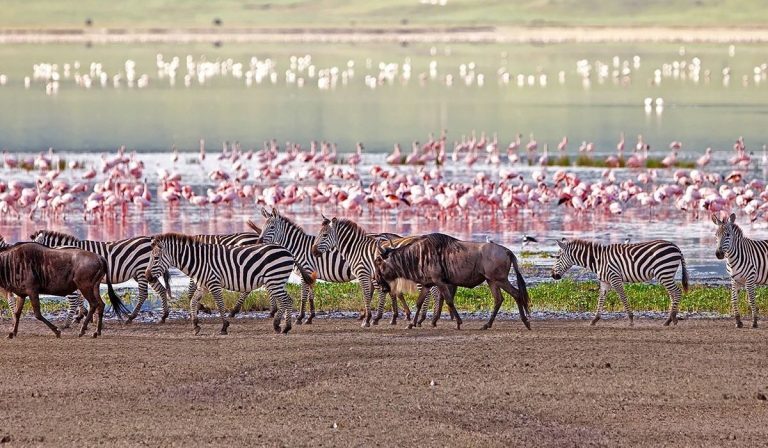
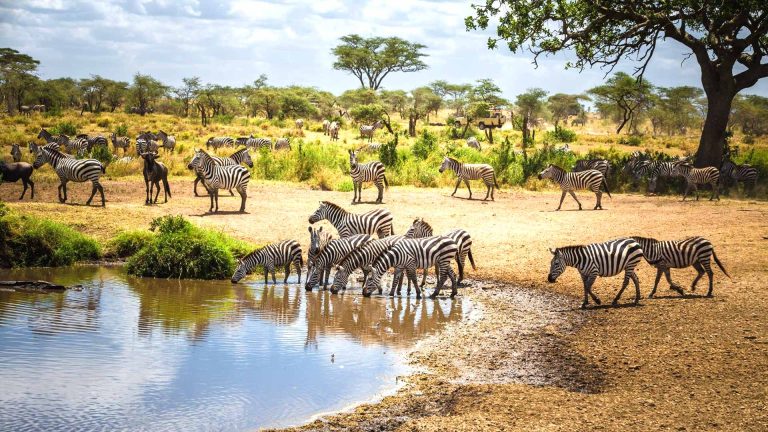
Choosing the best shoes for a Tanzania safari can make or break your experience. From the dusty plains of Serengeti National Park to the lush highlands of Ngorongoro Crater, your footwear must handle heat, uneven terrain, and long days outdoors. A safari isn’t just about game drives—you’ll step in and out of vehicles, explore camps, and sometimes walk through the bush. That means comfort, durability, breathability, and grip are essential. The wrong shoes can lead to blisters, fatigue, or even injury. The right pair, however, enhances your safari adventure, allowing you to focus on wildlife, landscapes, and unforgettable moments. This guide explores the top safari footwear options, helping you choose the perfect balance between performance, style, and practicality for your African journey.
Why Choosing the Right Safari Shoes Matters
Selecting the best safari shoes in Tanzania is not just about style—it’s about safety, comfort, and performance. Safari environments involve dusty tracks, rocky paths, and sometimes muddy terrain, all of which demand reliable footwear. Shoes with proper grip reduce slipping risks, while cushioned soles prevent fatigue during long days. Additionally, closed-toe shoes protect against thorns, insects, and rough ground conditions. Breathable materials are equally important, as Tanzania’s climate can be hot and humid, especially during midday game drives. Poor footwear can quickly lead to discomfort, blisters, and reduced mobility. Ultimately, investing in quality safari footwear ensures you enjoy every moment, whether you’re tracking wildlife or relaxing at camp, without worrying about your feet.
Hiking Boots: The Ultimate Safari Companion
Hiking boots are widely considered the best shoes for African safari tours, especially for walking safaris and rugged terrain. They provide excellent ankle support, stability, and protection against rocks and uneven surfaces. Waterproof hiking boots are particularly useful in areas with morning dew or occasional rain. Their durable construction ensures longevity, even under harsh conditions. For destinations like Tarangire National Park, where the terrain can be rough, hiking boots are invaluable. Many models feature reinforced toe caps and strong outsoles for enhanced safety. While they may feel heavier than other options, their support outweighs the extra weight. If your safari includes bush walks or extended exploration, hiking boots should be at the top of your packing list for reliability and comfort.
Trail Running Shoes for Lightweight Comfort
If you prefer something lighter, trail running shoes for safari are an excellent alternative. They are designed for agility, breathability, and comfort, making them perfect for less demanding terrain and warm climates. Unlike heavy boots, trail shoes are easy to pack and wear for extended periods without fatigue. They also provide good traction, which is essential when walking on dusty or slightly uneven paths. For game drives or short nature walks, these shoes strike a perfect balance between performance and convenience. Travelers visiting Lake Manyara National Park often prefer trail shoes due to the park’s mix of forest and open terrain. Their flexibility and lightweight design make them a popular choice among modern safari travelers. (e.g., best safari shoes Tanzania, safari footwear, hiking boots Africa safari, lightweight safari shoes, waterproof safari boots, safari packing list shoes),
Sneakers: A Practical Tanzania Safari Option
Many travelers wonder if sneakers are suitable for a Tanzania safari—and the answer is yes. Sneakers are comfortable, versatile, and perfect for vehicle-based safaris where walking is minimal. They are ideal for camp activities, short strolls, and long hours spent seated during game drives. However, they lack the support and durability required for rugged terrain or extended walking safaris. Neutral-colored sneakers are recommended to blend into the environment and avoid attracting insects. While not the most technical option, they remain a practical and budget-friendly choice for many safari-goers. For most standard safari itineraries, sneakers can handle the majority of activities comfortably.
Sandals for Relaxation and Camps
When it comes to downtime, safari sandals are essential. After a long day exploring Tanzania’s wilderness, slipping into breathable sandals offers immediate comfort. They are perfect for relaxing at lodges, walking around camp, or visiting beach destinations like Zanzibar. Many modern hiking sandals also provide decent grip and support, making them suitable for light walks. However, they should not replace closed-toe shoes during active safari excursions, as they offer limited protection. Look for sandals with secure straps, cushioned soles, and durable outsoles. Having a pair of sandals in your safari packing list ensures comfort and versatility throughout your trip, especially in hot climates.
Waterproof Shoes for Wet Conditions
Tanzania’s weather can vary, especially during the rainy season, making waterproof safari shoes a smart investment. Wet grass, muddy trails, and unexpected showers can quickly soak regular shoes, leading to discomfort and blisters. Waterproof hiking boots or shoes keep your feet dry and protected, allowing you to continue exploring without interruption. These shoes often include breathable membranes that prevent overheating while maintaining dryness. For areas like Selous Game Reserve, where conditions can be unpredictable, waterproof footwear is highly recommended. Combining water resistance with good traction ensures safety and comfort, even in challenging environments.
Breathability and Comfort in Hot Climates
One of the most important features of the best safari footwear is breathability. Tanzania’s temperatures can rise significantly during the day, making well-ventilated shoes essential. Shoes with mesh uppers or moisture-wicking linings help keep your feet cool and dry. This reduces the risk of blisters and discomfort during long excursions. Lightweight designs also enhance comfort, especially when walking or standing for extended periods. Breathable shoes are particularly useful in open savannah areas where shade is limited. Choosing footwear that balances ventilation with protection ensures optimal comfort throughout your safari adventure.
Traction and Grip for Tanzania Safari Terrain
Safari landscapes can be unpredictable, requiring shoes with excellent traction. Whether walking on dusty plains, rocky trails, or muddy paths, grip is essential for stability and safety. Shoes with rubber outsoles and deep tread patterns provide better control and reduce slipping risks. This is especially important during walking safaris or when exploring uneven terrain. High-quality traction also improves confidence, allowing you to focus on wildlife rather than your footing. Investing in shoes with a strong grip ensures you can navigate Tanzania’s diverse environments with ease and security.
Choosing Shoes Based on Tanzania Safari Activities
Your ideal Tanzania safari shoes depend on your planned activities. For game drives, lightweight sneakers or trail shoes are sufficient. For walking safaris or hiking excursions, sturdy boots are essential. Beach extensions in Zanzibar call for sandals or water shoes. If your itinerary includes multiple environments, consider packing two pairs: one for active use and one for relaxation. Matching your footwear to your activities ensures maximum comfort and efficiency. This strategic approach prevents overpacking while ensuring you’re prepared for every part of your journey.
Best Shoe Materials for Tanzania Safari Travel
The material of your safari shoes plays a crucial role in performance. Leather offers durability and protection, while synthetic materials provide lightweight comfort and faster drying times. Mesh panels enhance breathability, making them ideal for hot climates. Rubber soles ensure traction and stability on various surfaces. Waterproof membranes add protection during wet conditions. Choosing the right combination of materials ensures your shoes perform well in Tanzania’s diverse environments. High-quality materials also extend the lifespan of your footwear, making them a worthwhile investment for frequent travelers.
Color Choices and Safari Practicality
Color might seem like a minor detail, but it matters when selecting the best shoes for safari in Africa. Neutral tones such as khaki, brown, and olive are recommended, as they blend with the environment and avoid attracting insects. Bright colors can disturb wildlife, while dark shades like black and navy may attract tsetse flies in certain regions. Choosing the right color enhances both safety and the overall safari experience. Additionally, neutral-colored shoes are easier to match with safari clothing, creating a cohesive and practical travel wardrobe.
Packing Tips for Tanzania Safari Footwear
Packing the right shoes for your safari requires careful planning. Shoes can be bulky, so limit yourself to two or three versatile pairs. Choose lightweight options that can handle multiple activities. Pack breathable socks and consider moisture-wicking materials for added comfort. Break in your shoes before السفر to avoid blisters. Use packing cubes or shoe bags to save space and keep luggage organized. Smart packing ensures you have everything you need without exceeding luggage limits, especially for domestic flights within Tanzania.
Top Recommended Tanzania Safari Shoe Brands
Several brands consistently rank among the best safari shoes for Tanzania travel. Brands like Salomon, Merrell, KEEN, Columbia, and Adidas are known for durability, comfort, and performance. These brands offer a wide range of options, from hiking boots to lightweight trail shoes. Their advanced technologies, such as waterproof membranes and high-traction soles, make them ideal for safari conditions. Investing in reputable brands ensures reliability and long-term value. Whether you prioritize comfort, performance, or budget, these brands provide excellent choices for every type of safari traveler.
Final Thought
Choosing the best shoes for a Tanzania safari is about finding the perfect balance between comfort, durability, and practicality. Whether you opt for sturdy hiking boots, lightweight trail shoes, or casual sneakers, your footwear should match your activities and environment. Tanzania’s diverse landscapes—from the plains of Serengeti National Park to the beaches of Zanzibar—demand versatile and reliable shoes. With the right pair, you’ll move confidently, stay comfortable, and fully immerse yourself in the beauty of Africa. Plan wisely, pack smart, and let your footwear support every unforgettable step of your safari adventure.
What are the best shoes for a Tanzania safari
The best shoes for a Tanzania safari depend on your activities, but generally include hiking boots, trail running shoes, and comfortable sneakers. For rugged terrain and walking safaris, lightweight hiking boots with ankle support and strong grip are ideal. For game drives and short walks, breathable sneakers or trail shoes offer excellent comfort. Many safari experts recommend packing at least two pairs to cover different conditions. Look for features such as durability, ventilation, and cushioned soles to handle long days outdoors. Neutral-colored footwear is also preferred to blend into the environment. Ultimately, the best safari shoes combine comfort, protection, and versatility, ensuring you can explore Tanzania’s diverse landscapes without discomfort or limitations.
Can I wear sneakers on a Tanzania safari
Yes, you can wear sneakers on a Tanzania safari, especially for game drives and lodge-based activities. Sneakers are lightweight, comfortable, and easy to pack, making them a popular choice among travelers. They work well for short walks and relaxed environments, such as camps and lodges. However, they are not the best option for rugged terrain or extended walking safaris, as they lack ankle support and durability. If you plan on exploring uneven paths or participating in bush walks, consider pairing sneakers with hiking boots. Choosing breathable, well-cushioned sneakers will enhance comfort in Tanzania’s warm climate. While not the most technical option, sneakers are perfectly suitable for many standard safari itineraries.
Are hiking boots necessary for a Tanzania safari
Hiking boots are not always mandatory, but they are highly recommended for certain safari activities. If your itinerary includes walking safaris, hiking, or exploring rough terrain, hiking boots for Tanzania safari provide essential support and protection. They help prevent ankle injuries and offer better grip on uneven surfaces. Waterproof hiking boots are especially useful during the rainy season or early morning walks through wet grass. For travelers sticking to vehicle-based safaris, hiking boots may not be necessary, and lighter shoes can suffice. However, having a sturdy pair ensures you are prepared for unexpected terrain or optional activities. Investing in quality hiking boots can significantly improve your overall safari experience and comfort.
What shoes should I avoid on Tanzania safari
Certain footwear is not suitable for safari conditions and should be avoided. Open-toe shoes like flip-flops offer little protection against dust, insects, and rough terrain, making them unsafe for active excursions. High heels or fashion shoes are impractical and uncomfortable for outdoor environments. Heavy, non-breathable boots can cause overheating and discomfort in Tanzania’s warm climate. Shoes with poor grip increase the risk of slipping on dusty or uneven ground. It’s also best to avoid brightly colored footwear, as it may attract insects or disturb wildlife. Choosing the wrong shoes can negatively impact your safari experience, so prioritize comfort, safety, and practicality when selecting your footwear.
Do I need waterproof shoes for a Tanzania safari
Waterproof shoes are not always essential, but they can be very useful depending on the season and location. During Tanzania’s rainy seasons, waterproof safari shoes help keep your feet dry when walking through wet grass or muddy trails. They are also beneficial for early morning game drives when dew is present. Many modern waterproof shoes are designed to remain breathable, preventing overheating in warm climates. If your safari itinerary includes areas with unpredictable weather or walking activities, waterproof footwear is a smart addition. However, if you are traveling during the dry season and staying mostly in vehicles, regular breathable shoes may be sufficient. Packing based on your travel timing ensures maximum comfort.
How many pairs of shoes should I pack for Tanzania safari
Most travel experts recommend packing two to three pairs of shoes for a Tanzania safari. This typically includes one pair of sturdy walking or hiking shoes, one pair of lightweight sneakers or trail shoes, and optionally sandals for relaxation. Having multiple options allows you to adapt to different activities and conditions. It also gives your shoes time to air out between uses, which is important in warm climates. Overpacking shoes can take up valuable luggage space, especially on domestic flights with weight limits. Choosing versatile footwear that can serve multiple purposes is the best approach. A well-planned selection ensures comfort without unnecessary bulk in your safari packing list.
Are sandals suitable for a Tanzania safari
Sandals can be suitable for certain parts of a safari, but not all activities. They are perfect for relaxing at lodges, walking around camp, or visiting coastal destinations like Zanzibar. Some hiking sandals for safari offer good support and grip, making them suitable for light walks. However, they should not be worn during game drives in bushy areas or walking safaris, as they expose your feet to dust, insects, and sharp objects. Closed-toe shoes provide much better protection in these situations. Packing sandals as a secondary option ensures comfort during downtime while keeping your primary footwear focused on safety and performance.
What features should I look for in Tanzania safari shoes
When choosing the best safari shoes, focus on key features such as comfort, durability, and functionality. Look for shoes with cushioned soles to reduce fatigue during long days. Breathable materials help keep your feet cool in hot climates. Strong traction is essential for stability on uneven terrain, while lightweight construction improves overall comfort. Waterproof capabilities can be beneficial in wet conditions. Ankle support is important for hiking or walking safaris. Neutral colors are recommended for blending into the environment. High-quality construction ensures your shoes last throughout the trip. Prioritizing these features will help you select footwear that performs well across Tanzania’s diverse safari landscapes.
What color shoes are best for Tanzania safari
Neutral-colored shoes are the best choice for a Tanzania safari. Shades like khaki, brown, beige, and olive blend seamlessly with the natural environment and are less likely to attract insects. Bright colors can disturb wildlife or draw unnecessary attention, while dark colors such as black and navy may attract tsetse flies in certain areas. Choosing practical colors also helps keep your shoes looking cleaner, as dust and dirt are less visible. Matching your footwear with neutral safari clothing creates a cohesive and functional travel outfit. While color may seem minor, it plays an important role in comfort, safety, and overall safari experience.
Can I use the same shoes for Tanzania safari and city travel
Yes, many travelers prefer versatile shoes that can be used for both safari and city travel. Lightweight trail shoes or stylish sneakers often work well in both environments. They provide comfort for walking while still being suitable for casual urban settings. However, if your safari includes rugged terrain or walking safaris, you may need a separate pair of hiking boots for better support. Choosing multipurpose footwear helps reduce packing and simplifies travel planning. Look for shoes that balance performance and style, allowing you to transition between safari adventures and city exploration without compromising comfort or practicality.